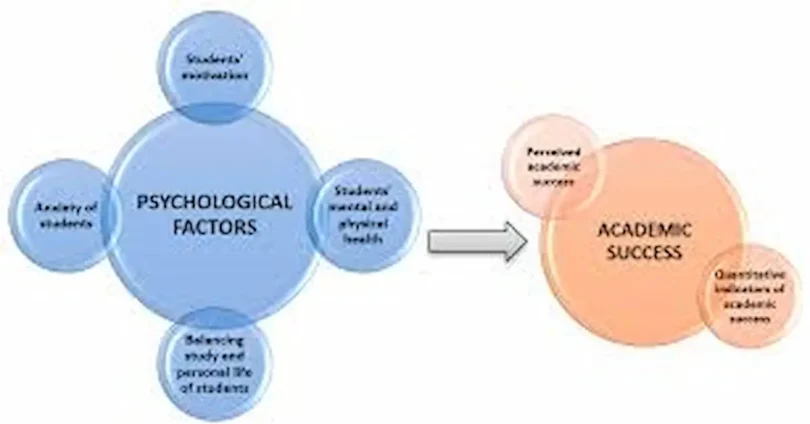

When it comes to education, many people assume that high grades automatically mean a student is successful. However, student success vs academic performance are not the same. Academic performance focuses mainly on grades, test scores, and classroom achievements, while student success is a broader concept that includes personal growth, social skills, emotional well-being, and long-term preparedness for life and career challenges.
Understanding the difference between the two is essential for students, parents, and educators. By looking beyond just grades, we can help students develop the skills, mindset, and experiences that lead to real success in both education and life.
What is student success vs academic performance
Academic performance refers to how well a student does in their studies. It is usually measured through grades, test scores, class participation, assignments, and overall GPA. Schools and colleges often use these metrics to evaluate a student’s knowledge, understanding, and progress in various subjects.
Focusing on academic performance has its benefits. Good grades can open doors to scholarships, college admissions, and career opportunities. They provide a clear, measurable way to track learning progress and identify areas that need improvement.
However, academic performance has its limitations. It mainly reflects a student’s ability to memorize, follow instructions, and perform under examination conditions. It does not always capture essential skills like creativity, leadership, teamwork, problem-solving, or emotional intelligence, which are equally important for success in life.
What is Student Success?
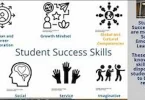
Student success is a holistic concept that goes far beyond just grades and test scores. While academic performance measures what a student knows, student success measures how well a student can apply that knowledge, grow personally, and navigate life outside the classroom.
Personal Growth and Emotional Well-being
A major part of student success is personal growth. This includes developing confidence, resilience, self-discipline, and emotional intelligence. Students who understand themselves, manage stress effectively, and stay motivated are more likely to succeed in the long run, both academically and personally.
Social Skills and Communication
Student success also involves strong social skills. Being able to communicate clearly, work in teams, and build meaningful relationships is critical for future career and life opportunities. Participation in group projects, clubs, or volunteering helps students improve these skills.
Career Readiness and Practical Skills
Another important aspect is career readiness. Students gain success when they acquire practical skills like problem-solving, time management, decision-making, and leadership. These skills prepare them to face real-world challenges and excel in their chosen fields.
Extracurricular Activities and Life Experiences
Engaging in extracurricular activities, internships, or community service is a sign of student success. These experiences teach responsibility, teamwork, and creativity, helping students develop a well-rounded personality that goes beyond classroom achievements.
The Bigger Picture
Unlike academic performance, which focuses on measurable outcomes like grades, student success is about the overall development of an individual. It emphasizes long-term growth, adaptability, and the ability to thrive in different areas of life. A student might not have perfect grades but can still be highly successful if they possess these qualities.
Key Differences Between Student Success and Academic Performance

While academic performance and student success are closely related, they are not the same, and understanding the differences is essential for students, parents, and educators. Here’s a detailed look at how they differ:
1. Measurement
- Academic Performance: Academic performance is measured using grades, GPA, test scores, and assignments. These are quantifiable indicators that show how well a student has understood or memorized academic material.
- Student Success: Student success is measured through broader outcomes like personal growth, leadership skills, career preparedness, social relationships, and emotional intelligence. Unlike grades, these are qualitative measures that reflect how well a student can apply their knowledge and skills in real life.
2. Scope
- Academic Performance: The scope is limited to the classroom. It evaluates a student’s ability to meet academic requirements and excel in tests or assignments.
- Student Success: Student success has a much broader scope. It includes academic achievement, yes, but also personal development, emotional well-being, social skills, career readiness, and the ability to handle challenges outside school.
3. Skills Developed
- Academic Performance: Helps develop knowledge-based skills such as memorization, logical reasoning, analytical thinking, and subject-specific expertise.
- Student Success: Focuses on life skills like communication, teamwork, leadership, problem-solving, creativity, time management, and resilience. These skills help students navigate real-world challenges effectively.
4. Long-Term Impact
- Academic Performance: High grades can help students achieve short-term goals like scholarships, college admissions, or awards. However, they do not guarantee success in life or careers if students lack other essential skills.
- Student Success: Prepares students for long-term growth. A well-rounded student is more adaptable, confident, and capable of handling personal, professional, and societal challenges.
5. Real-Life Examples
- Example 1: A student may achieve straight A’s in exams but struggle to collaborate with peers or manage stress. Their academic performance is high, but their overall student success may be limited.
- Example 2: Another student may have average grades but participates in clubs, takes leadership roles, volunteers in the community, and develops strong communication skills. This student may be more successful in life despite not having top grades.
6. Mindset Difference
- Academic performance often focuses on short-term achievements, like completing assignments and passing exams.
- Student success emphasizes a growth mindset, where learning, self-improvement, and adaptability are valued over just scoring high marks.
7. Why Both Are Important
- Academic performance contributes to student success by providing a foundation of knowledge and discipline.
- Student success ensures that knowledge is applied effectively, creating well-rounded individuals who can thrive in any situation.
you may also like to read these posts;
What Are Learning Resources (Definition & Examples)
Types of Learning Resources for Students: A Complete Guide
How to Use Online Learning Resources: A Complete How-To Guide
Why Learning Resources Are Important: Key Reasons Students Must Use Them
Top Learning Resources for Schools: Best Tools Ranked 2025
Factors That Affect Student Success
Student success depends on more than just good grades. A combination of personal, social, and environmental factors determines how well a student can grow, adapt, and achieve their goals. Here’s a deeper look at the most important factors:
1. Motivation and Mindset
A student’s motivation is a driving force behind their achievements. Those with a growth mindset believe that skills and intelligence can be developed through effort and practice. This mindset encourages persistence, curiosity, and resilience, which are crucial for success.
Example: A student struggling with a difficult subject may feel frustrated. However, if they approach the challenge as a learning opportunity rather than a failure, they are more likely to improve and succeed academically and personally.
Tip: Encourage students to set realistic goals, celebrate small achievements, and view challenges as opportunities to learn.
2. Time Management and Effective Study Habits
How a student manages their time and studies has a significant impact on success. Students who plan their day, prioritize tasks, and develop consistent study routines can balance academics with personal growth and extracurricular activities.
Example: Allocating time for studying, exercise, hobbies, and social interaction ensures students remain productive without feeling overwhelmed.
Tip: Use tools like planners, calendars, or digital apps to organize tasks and avoid last-minute stress.
3. Emotional and Social Support
A strong support system is essential for student success. Encouragement from parents, teachers, friends, and mentors helps students build confidence, reduce stress, and stay motivated. Emotional support also teaches students to manage pressure and develop coping strategies.
Example: A student facing a challenging project is more likely to succeed if they have mentors to guide them and peers to collaborate with.
Tip: Parents and educators should provide guidance, recognize efforts, and create a positive learning environment.
4. Extracurricular Activities and Real-Life Experiences
Participation in clubs, sports, volunteering, and internships develops practical skills like leadership, teamwork, communication, and problem-solving. These experiences contribute to personal growth and make students more adaptable in real-life situations.
Example: Leading a school event teaches planning, delegation, and decision-making, which are valuable life skills beyond classroom learning. student success vs academic performance
Tip: Encourage students to explore hobbies and activities they enjoy, as these can enhance both skills and confidence.
5. Resilience and Adaptability
Students who are resilient can face failures and setbacks without losing motivation. Adaptability allows them to cope with change and embrace new challenges—skills critical for both academic and personal success. student success vs academic performance
Example: A student who doesn’t perform well on an exam but seeks feedback, adjusts study strategies, and keeps improving demonstrates true success beyond just grades. student success vs academic performance
Tip: Teach students to reflect on mistakes, learn from them, and keep a positive outlook. student success vs academic performance
6. Balanced Lifestyle
Maintaining a healthy lifestyle supports learning and personal development. Proper sleep, nutrition, exercise, and relaxation enhance focus, energy, and emotional well-being, all of which contribute to both academic performance and overall success.
Example: Students who maintain a balance between studying, physical activity, and relaxation are more productive and less prone to stress. student success vs academic performance
Tip: Encourage students to take short breaks while studying, eat nutritious meals, stay active, and ensure sufficient rest.
7. Self-Discipline and Responsibility
A successful student demonstrates self-discipline by taking responsibility for their learning and personal growth. This includes setting goals, meeting deadlines, and staying consistent with efforts. student success vs academic performance
Example: Completing assignments on time, practicing regularly, and taking ownership of mistakes shows accountability, which is a key part of student success. student success vs academic performance
Tip: Guide students to track their progress and reward themselves for staying consistent with goals. student success vs academic performance
How Academic Performance Supports Student Success
While student success is a broader concept that includes personal growth, social skills, and emotional well-being, academic performance still plays an important role in shaping a student’s overall development. Grades and classroom achievements provide a foundation for both immediate accomplishments and long-term success. student success vs academic performance
Builds a Strong Knowledge Base
Academic performance helps students acquire essential knowledge in various subjects. This knowledge is not just for exams; it provides the foundation for problem-solving, critical thinking, and decision-making. Students who understand core concepts can apply them in real-life situations, making academic learning meaningful beyond the classroom. student success vs academic performance
For example, a student who performs well in mathematics develops analytical skills that can help in budgeting, planning projects, or pursuing careers in science and technology. Similarly, strong writing skills gained through language courses improve communication in professional and personal life. student success vs academic performance
Opens Opportunities for the Future
Good academic performance often leads to scholarships, college admissions, and career prospects. These opportunities serve as stepping stones for a student’s overall growth. By performing well in school, students can access advanced education programs, internships, and networking opportunities that prepare them for future success. student success vs academic performance
For instance, a high-achieving student may qualify for a prestigious university, giving them access to research projects, mentorship programs, and leadership opportunities that enhance their personal and professional development. student success vs academic performance
Encourages Discipline and Work Habits
Working towards good grades teaches important habits such as discipline, time management, and perseverance. These skills are valuable not only in school but also in life. Students who develop consistent study routines, meet deadlines, and organize their tasks build a strong work ethic that benefits them in both higher education and future careers. student success vs academic performance
For example, a student who plans their study schedule carefully and completes assignments on time is likely to manage projects efficiently in the workplace later in life. student success vs academic performance
Supports Confidence and Motivation
Achieving good academic results can boost a student’s confidence and motivate them to take on new challenges. Confidence gained from performing well academically encourages students to participate in extracurricular activities, leadership roles, and new learning opportunities. student success vs academic performance
For example, a student who excels in a science project may feel encouraged to lead a team in a school club or take part in community initiatives, developing skills that contribute to overall success. student success vs academic performance
Complements Holistic Success
While academic performance is important, it is just one part of overall student success. Grades and test scores provide a measurable indicator of knowledge, but they need to be combined with personal growth, social skills, and emotional intelligence to achieve true success. Students who balance academics with extracurricular activities, personal development, and life experiences are better prepared for challenges beyond school. student success vs academic performance
For instance, a student who maintains good grades while actively participating in sports, volunteering, or leadership programs develops both knowledge and life skills. This combination ensures that they are not only academically competent but also well-rounded, adaptable, and ready for real-world challenges. student success vs academic performance
Tips for Balancing Academic Performance and Student Success
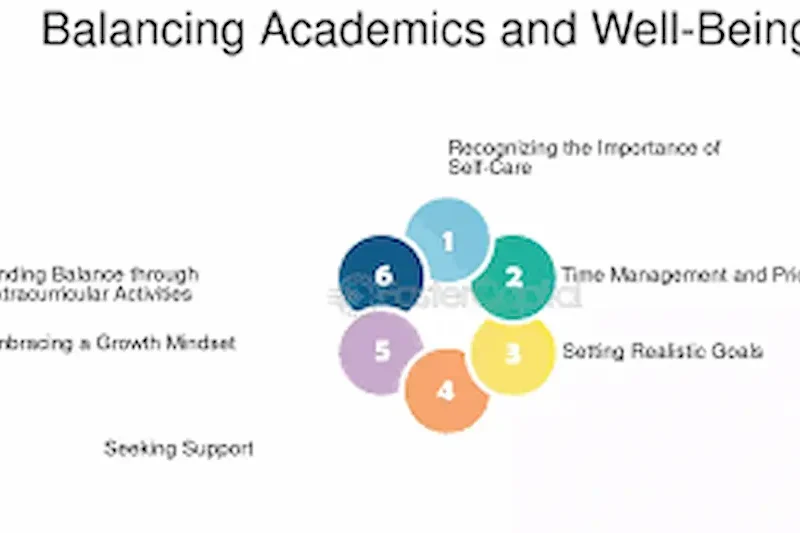
Balancing academic performance with overall student success can seem challenging, but with the right strategies, students can excel in both areas. Here are some practical tips to achieve a healthy balance:
Set Clear Goals
Start by setting clear, realistic goals for both academics and personal development. Decide what grades you want to achieve and which skills or experiences you want to focus on outside the classroom. Goals help you stay motivated and organized while giving direction to your efforts. student success vs academic performance
For example, you might aim to improve your GPA while also joining a school club or volunteering once a week. student success vs academic performance
Prioritize Learning Over Grades
While grades are important, focusing solely on marks can limit growth. Prioritize understanding concepts, gaining knowledge, and developing skills rather than just memorizing for exams. This approach enhances both academic performance and long-term success. student success vs academic performance
For example, a student who deeply understands a science topic will perform better in exams and also gain problem-solving skills applicable in real life. student success vs academic performance
Develop Time Management Skills
Balancing studies, extracurricular activities, and personal growth requires good time management. Create a schedule that allocates time for studying, hobbies, exercise, and relaxation. Consistent routines prevent stress and ensure steady progress in all areas.
For example, dedicating two hours daily to focused study and one hour to extracurricular activities can help maintain a balanced lifestyle. student success vs academic performance
Participate in Extracurricular Activities
Engaging in clubs, sports, volunteering, or creative projects helps develop leadership, teamwork, and social skills. These activities complement academic performance and contribute to overall student success. student success vs academic performance
For example, leading a debate club enhances communication skills, while volunteering teaches responsibility and empathy.
Seek Support from Mentors and Peers
Don’t hesitate to ask for guidance from teachers, parents, or mentors. Discuss challenges, seek feedback, and learn from others’ experiences. Positive support networks encourage growth in academics and personal development. student success vs academic performance
For example, a mentor can provide tips for managing study time efficiently or advice on developing leadership skills in school activities. student success vs academic performance
Focus on Personal Well-being
Physical and emotional well-being are critical for success. Ensure you get enough sleep, maintain a balanced diet, exercise regularly, and take time to relax. A healthy lifestyle improves focus, energy, and motivation, which positively affects both academic performance and overall success. student success vs academic performance
For example, a student who exercises regularly and gets adequate sleep is more productive and better able to handle stress.
Reflect and Adjust Regularly
Take time to reflect on your progress in academics and personal growth. Identify what is working and what needs improvement, then adjust your strategies accordingly. Reflection helps maintain balance and ensures continuous improvement in all areas of life.
For example, if you notice that studying late at night affects your energy, adjust your schedule to study during the day and use evenings for relaxation or hobbies. student success vs academic performance
Is academic performance enough to guarantee student success?
No. While good grades are important, they do not guarantee overall success. True student success includes personal growth, social skills, emotional intelligence, and life skills in addition to academic achievements. A student with excellent grades but poor communication or leadership skills may struggle in real-life situations.
Can a student succeed without high grades?
Yes. Students can achieve success without having top grades if they develop important life skills, participate in extracurricular activities, gain practical experience, and maintain strong relationships. Many successful individuals excel because of their resilience, creativity, and problem-solving abilities, not just academic performance.
How can parents and educators support student success?
Parents and educators can support students by encouraging a growth mindset, providing guidance, recognizing achievements beyond grades, and creating opportunities for skill development. Emotional support, mentoring, and helping students manage their time effectively can significantly enhance both academic performance and overall success
What are some examples of student success beyond academics?
Student success can include leadership roles in clubs or organizations, volunteering in the community, developing teamwork and communication skills, participating in sports, and learning new hobbies or skills. These experiences contribute to well-rounded development and long-term success.
How can students balance academic performance with personal growth?
Students can balance academics and personal growth by setting clear goals, prioritizing learning over just grades, managing time effectively, participating in extracurricular activities, seeking guidance from mentors, and maintaining physical and emotional well-being. Reflection and adjustment of strategies help maintain this balance.
Conclusion
In conclusion, academic performance and student success are related but not the same. Academic performance focuses on grades, test scores, and measurable achievements, while student success includes personal growth, social skills, emotional well-being, and real-life readiness.
Both aspects are important. Good grades provide a foundation of knowledge and open opportunities, but true success comes from a combination of academics, life skills, and personal development. Students who balance their studies with extracurricular activities, self-improvement, and emotional growth are more likely to thrive in both school and life.
By understanding the difference and focusing on holistic growth, students can achieve not only high academic performance but also meaningful, long-term success.