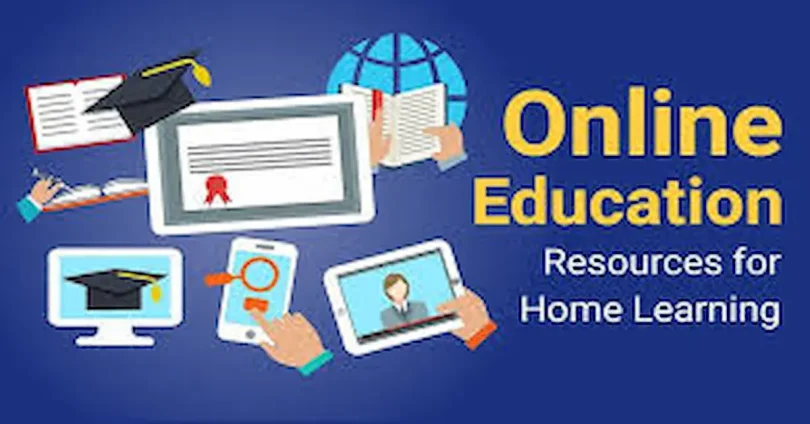

How to use online learning resources is a question many students, professionals, and lifelong learners ask today. In a world where digital tools are everywhere, learning is no longer limited to classrooms or physical books. With the right online resources, you can study anytime, anywhere, and at your own pace.
From free platforms like Khan Academy and YouTube to professional sites like Coursera, Udemy, and edX, there are endless opportunities to gain new skills. Whether you want to prepare for exams, improve your career, or simply explore a new hobby, online learning resources make education flexible and accessible.
In this guide, we’ll explore step by step how to use online learning resources effectively so you can stay motivated, save time, and achieve your learning goals with ease.
Benefits of how to use online learning resources
Online learning resources have changed the way people study and gain skills. Whether you are a student, a job seeker, or just someone who loves learning, these resources make education simpler and more flexible. Here are the biggest benefits:
1. Learn Anytime, Anywhere
One of the best things about online learning is flexibility. You don’t have to follow strict classroom schedules. You can learn during your free time—whether it’s early morning, late at night, or even while commuting. All you need is an internet connection and a device.
2. A Huge Variety of Subjects
Online platforms offer lessons in almost every field you can imagine. From academic subjects like math, science, and history to professional skills like programming, digital marketing, photography, or language learning—you’ll always find something that matches your interest or career goals.
3. Affordable and Budget-Friendly
Traditional courses and coaching can be expensive. Online learning, on the other hand, offers a mix of free and low-cost options. For example:
- Free: YouTube, Khan Academy, OpenLearn
- Affordable Paid: Udemy, Coursera, Skillshare
This makes education accessible to everyone, no matter their budget.
4. Learn at Your Own Pace
In classrooms, you often have to keep up with the teacher and other students. Online learning allows you to pause, rewind, and review lessons as many times as you need. If you learn fast, you can finish courses quickly; if you need more time, you can move slowly without pressure.
5. Access to Global Experts
Many online courses are created by professionals, university professors, or industry leaders. This means you’re learning directly from experts who have real-world experience. For example, you can take a coding course taught by a Google engineer or a business course from a top university.
6. Interactive and Engaging
Most online platforms make learning more fun with features like:
- Video tutorials
- Quizzes and assignments
- Discussion forums
- Peer reviews and group projects
This interactive style keeps learners motivated and makes studying less boring.
7. Recognized Certificates and Skills
Many online learning platforms provide certificates after you complete a course. These certificates can be added to your resume or LinkedIn profile, helping you stand out to employers.
8. Personalized Learning Experience
Everyone learns differently. Some prefer watching videos, others like reading, while some learn better by practicing. Online resources give you the choice to pick the format that suits you best.
Step 1: Set Clear Learning Goals

Before jumping into online learning, it’s important to know exactly what you want to achieve. Online platforms offer thousands of courses, videos, and study materials, and without clear goals, you might feel overwhelmed or waste time on random resources. Setting learning goals gives you direction, keeps you motivated, and helps you measure your progress.
Why Setting Goals Is Important
Learning without goals is like traveling without a map—you may keep moving but not reach the destination. Clear goals help you:
- Choose the right courses and materials.
- Stay focused even when you feel distracted.
- Track your progress and celebrate milestones.
For example, if your goal is to learn digital marketing, you’ll know exactly which courses and resources to pick instead of trying unrelated subjects.
How to Set Effective Learning Goals
- Decide Your Purpose
Start by asking yourself: Why do I want to learn this?
- A student might aim to prepare for exams.
- A professional may want to upgrade skills for career growth.
- A hobby learner may want to explore personal interests.
- A student might aim to prepare for exams.
- Make Your Goals Specific
Avoid vague goals like “I want to learn coding.” Instead, try: “I want to complete a Python beginner’s course within 2 months.” Specific goals are easier to follow. - Set Short-Term and Long-Term Goals
- Short-term goal: Finish one online module each week.
- Long-term goal: Gain enough knowledge to apply for a better job within 6 months.
Breaking down big goals into smaller ones makes learning less stressful.
- Short-term goal: Finish one online module each week.
- Write Down Your Goals
Writing goals in a notebook, digital planner, or even a sticky note keeps them in front of you. This reminder helps you stay motivated and committed.
Examples of Clear Learning Goals
- Student: “I will complete Khan Academy’s algebra course before my final exams.”
- Professional: “I will learn advanced Excel within 30 days to improve my office work.”
- Hobby Learner: “I will follow an online photography course and upload 5 edited photos weekly.”
Step 2: Choose the Right Platforms
Once you’ve set clear learning goals, the next step is to select the best online platforms to help you achieve them. The internet offers thousands of learning options, but not all are reliable or suited for your needs. Picking the right platform ensures that you stay focused, save time, and actually enjoy the learning process.
Why the Right Platform Is Important
Choosing the wrong platform can waste your time and money. For example, if you want a professional certificate, a free YouTube tutorial may not be enough. On the other hand, if you just want a quick explanation of a concept, paying for an expensive course might not make sense. The key is to match your goals, budget, and learning style with the platform.
Types of Online Learning Platforms
- MOOCs (Massive Open Online Courses)
- Examples: Coursera, edX, FutureLearn
- Best for: Academic learning, university-style courses, and professional certificates.
- Why choose: You get structured lessons from top universities and institutions. Many courses are free to audit, and you can pay if you want a certificate.
- Examples: Coursera, edX, FutureLearn
- Skill-Based Platforms
- Examples: Udemy, Skillshare, LinkedIn Learning
- Best for: Learning practical skills like coding, graphic design, digital marketing, or photography.
- Why choose: Courses are usually short, affordable, and easy to follow. Perfect for self-paced learners.
- Examples: Udemy, Skillshare, LinkedIn Learning
- Free Educational Websites
- Examples: Khan Academy, OpenLearn, MIT OpenCourseWare
- Best for: Students who want free, high-quality learning materials in school or university subjects.
- Why choose: They provide interactive lessons, quizzes, and exercises without charging a fee.
- Examples: Khan Academy, OpenLearn, MIT OpenCourseWare
- Video Platforms
- Example: YouTube
- Best for: Quick tutorials, explanations, and hobby learning.
- Why choose: It’s completely free and covers almost every topic imaginable. However, quality can vary, so check the credibility of the creator.
- Example: YouTube
- E-Books and Online Libraries
- Examples: Google Scholar, ResearchGate, Project Gutenberg
- Best for: Learners who prefer reading and want in-depth study material or research papers.
- Why choose: Great for academic research, essays, and detailed understanding.
- Examples: Google Scholar, ResearchGate, Project Gutenberg
- Mobile Learning Apps
- Examples: Duolingo, Brilliant, Quizlet, Memrise
- Best for: Learning on the go, especially languages, math, or quick practice tests.
- Why choose: They’re interactive, gamified, and easy to use daily.
- Examples: Duolingo, Brilliant, Quizlet, Memrise
How to Choose the Best Platform for You
- Match With Your Goals
- Want a career boost? → Go for Coursera, LinkedIn Learning, or edX (with certificates).
- Want to learn a new hobby? → YouTube or Skillshare may be better.
- Preparing for school exams? → Khan Academy is a great choice.
- Want a career boost? → Go for Coursera, LinkedIn Learning, or edX (with certificates).
- Check Reviews and Ratings
Before paying for a course, read what other learners say. Reviews help you avoid low-quality content. - Consider Your Budget
- If you’re on a budget, start with free options like Khan Academy or YouTube.
- If you’re investing in career development, paid platforms with certificates are worth it.
- If you’re on a budget, start with free options like Khan Academy or YouTube.
- Test Before Committing
Many platforms offer free trials or sample lessons. Explore them to see if the teaching style suits you.
Pro Tip
Don’t limit yourself to just one platform. Sometimes combining different resources works best. For example, you can use YouTube tutorials for quick explanations and then take a structured Coursera course for in-depth understanding.
you may also like to read these posts;
What Are Learning Resources (Definition & Examples)
Types of Learning Resources for Students: A Complete Guide
Why Learning Resources Are Important: Key Reasons Students Must Use Them
Top Learning Resources for Schools: Best Tools Ranked 2025
Step 3: Create a Study Plan
Once you’ve set clear goals and chosen the right platforms, the next step is to design a study plan. Without a proper plan, it’s easy to lose motivation or skip learning sessions. A structured study plan keeps you consistent, helps you manage time, and makes online learning more effective.
Why a Study Plan Matters
Many learners start online courses with excitement but fail to finish them. This usually happens because they don’t have a plan. A study plan gives you:
- Consistency – You stay on track and don’t forget to study.
- Focus – You know what lessons to complete each day or week.
- Motivation – Small milestones keep you encouraged to continue.
Steps to Create a Study Plan
- Decide Your Study Hours
Choose a time that works best for you. For example:
- Students may study in the evening after school.
- Professionals may prefer early mornings or weekends.
Even 30 minutes daily is better than long, irregular sessions.
- Students may study in the evening after school.
- Break Lessons Into Small Chunks
Instead of trying to complete an entire course in one sitting, divide it into small, manageable parts. For example, finish one video lesson or one chapter each day. - Use Digital Tools for Planning
- Google Calendar or Notion – Schedule your lessons and set reminders.
- Trello – Create boards to track progress.
- To-do list apps – Mark lessons as “completed” to stay motivated.
- Google Calendar or Notion – Schedule your lessons and set reminders.
- Balance Study With Rest
Don’t overload yourself. Take short breaks after 25–30 minutes of study (Pomodoro technique). This improves focus and prevents burnout. - Be Flexible but Consistent
Life can get busy, so it’s okay to adjust your schedule. However, avoid skipping too many days—consistency is the real key to success.
Example of a Simple Study Plan
- Monday to Friday: 30–45 minutes of study in the evening.
- Saturday: Review completed lessons + attempt quizzes.
- Sunday: Practice what you’ve learned (projects, exercises, or revision).
Pro Tip
Write your study plan down (in a notebook or app) and treat it like an appointment. When learning becomes part of your daily routine, it feels easier and more natural.
Step 4: Engage with the Content
When using online learning resources, it’s not enough to just watch videos or read lessons. True learning happens when you interact with the content. This means asking questions, practicing, discussing, and applying what you learn instead of being a passive listener. Engaging with the material will help you understand better, remember longer, and use your knowledge in real life.
Why Engagement Is the Key to Learning
- Better Memory: Studies show that active learning improves long-term memory.
- Deeper Understanding: Interaction helps you connect concepts instead of just memorizing.
- Confidence Building: The more you practice and discuss, the more confident you become in your knowledge.
Think of it this way: if you only watch cooking videos but never cook, you won’t become a good chef. The same is true for online learning!
Practical Ways to Engage With Online Learning
- Take Notes Effectively
Don’t just copy everything—summarize key points in your own words. Use diagrams, bullet points, or mind maps. Tools like Notion, Evernote, or Google Docs are great for digital note-taking. - Ask Questions and Clear Doubts
- Use discussion forums on platforms like Coursera or edX.
- Comment on YouTube videos to ask creators for clarification.
- Join learning communities on Reddit, Facebook, or Discord.
Asking questions not only clears your confusion but also helps others.
- Use discussion forums on platforms like Coursera or edX.
- Interact With Other Learners
Studying alone can feel boring. Join online study groups or create one with friends. Group learning motivates you, provides support, and gives you different perspectives on the same topic. - Practice Through Quizzes and Exercises
Almost all platforms provide quizzes, assignments, or exercises. Don’t skip them! Testing yourself is one of the most powerful ways to remember information. - Apply the “Active Recall” Technique
After finishing a lesson, close your notes and try to recall the main points. This simple habit trains your brain to remember information without relying on notes. - Use the “Teach Back” Method
Teaching is the best way to learn. Try explaining the lesson to a friend, family member, or even to yourself in front of a mirror. If you can explain it simply, it means you’ve understood it. - Do Practical Projects
- Coding course: Build small programs or apps.
- Language course: Write short essays or have conversations with native speakers.
- Design course: Create logos, posters, or social media graphics.
- Business course: Apply strategies to your own job, freelancing, or side project.
- Coding course: Build small programs or apps.
Real-Life Example
Suppose you’re learning graphic design on Skillshare. Instead of only watching tutorials, you:
- Take notes on design principles.
- Try creating your own poster using Canva or Photoshop.
- Share your work in online groups for feedback.
- Compare your first design with later projects to see your progress.
By engaging this way, you’ll see real improvement instead of just completing lessons without gaining skills.
Step 5: Apply What You Learn
Learning is only truly valuable when you put it into practice. Many people complete online courses but forget most of the content because they never use it. By applying what you learn in real life, you not only remember it better but also gain the confidence to use your skills in practical situations.
Why Application Matters
- Reinforces Knowledge: Practice turns theory into long-term memory.
- Builds Skills: Skills grow stronger only through real-world use.
- Boosts Confidence: The more you apply, the more comfortable you become.
- Creates Results: Applying knowledge can improve your studies, career, or hobbies.
Ways to Apply What You Learn
- Work on Small Projects
- Coding: Create a calculator app, portfolio website, or automation script.
- Design: Make posters, social media posts, or business cards for practice.
- Writing: Start a blog or journal to practice communication skills.
- Coding: Create a calculator app, portfolio website, or automation script.
- Practice Daily in Real Life
- Language learning: Speak a few sentences daily, watch shows in that language, or chat with native speakers online.
- Math skills: Solve real-life problems like budgeting, discounts, or measurements.
- Public speaking: Record yourself or practice in front of friends.
- Language learning: Speak a few sentences daily, watch shows in that language, or chat with native speakers online.
- Use Knowledge at Work or School
- Apply Excel formulas learned online in your office reports. how to use online learning resources
- Use digital marketing strategies to grow your business or personal brand.
- Apply study techniques from Khan Academy for better exam performance.
- Apply Excel formulas learned online in your office reports. how to use online learning resources
- Share Your Knowledge With Others
Teaching is one of the strongest ways to apply learning. You can:
- Help classmates or colleagues. how to use online learning resources
- Share tutorials on social media or YouTube. how to use online learning resources
- Join online forums and answer beginner questions. how to use online learning resources
- Help classmates or colleagues. how to use online learning resources
- Take On Challenges
Many platforms like HackerRank (for coding) or Duolingo (for languages) offer challenges. These push you to use your skills practically and improve over time.
Real-Life Examples
- A student who learns physics on Khan Academy applies concepts to solve homework problems faster.
- A professional who completes a digital marketing course starts running small ad campaigns for their business.
- A hobby learner who studies photography practices by capturing daily life pictures and editing them with new techniques.
Pro Tip
Don’t wait until you “finish the course” to start applying. Begin practicing as soon as you learn a new concept—even a small one. The earlier you apply, the faster you master it.
Step 6: Track Your Progress
After setting goals, choosing platforms, creating a study plan, engaging with content, and applying your learning, the next step is to track your progress. Monitoring your progress helps you stay motivated, identify weak areas, and ensure that your learning efforts are paying off.
Why Tracking Progress Is Important
- Stay Motivated: Seeing how much you’ve accomplished encourages you to keep going. how to use online learning resources
- Identify Weak Areas: You can focus on topics that need more practice. how to use online learning resources
- Measure Success: Know whether you’re meeting your short-term and long-term learning goals. how to use online learning resources
- Improve Efficiency: Helps you understand which learning methods work best for you. how to use online learning resources
Ways to Track Your Progress
- Use Platform Tools
Most online learning platforms provide built-in tracking features:
- Coursera & edX: Track completed lessons, quizzes, and certificates. how to use online learning resources
- Udemy & Skillshare: Check how many lessons you’ve finished and time spent. how to use online learning resources
- Language apps like Duolingo: Show streaks, levels, and skill mastery. how to use online learning resources
- Coursera & edX: Track completed lessons, quizzes, and certificates. how to use online learning resources
- Keep a Learning Journal
Write down:
- Lessons completed each day. how to use online learning resources
- Key points learned. how to use online learning resources
- Challenges or areas needing improvement. how to use online learning resources
Journals are a simple but powerful way to visualize progress. how to use online learning resources
- Lessons completed each day. how to use online learning resources
- Set Milestones and Rewards
Break larger goals into smaller milestones:
- Example: Complete one module per week or finish a project in a month. how to use online learning resources
- Reward yourself when you achieve them—like watching a movie, taking a day off, or buying a small treat.
- Example: Complete one module per week or finish a project in a month. how to use online learning resources
- Take Self-Tests and Quizzes
- Use quizzes on learning platforms or create your own tests. how to use online learning resources
- Track improvement over time. how to use online learning resources
- Revisit topics where you scored lower. how to use online learning resources
- Use quizzes on learning platforms or create your own tests. how to use online learning resources
- Compare Before and After Results
- Try applying your skill at the start and after a few weeks. how to use online learning resources
- Example: A coding student could compare their first small program with their latest project to see improvement.
- Example: A language learner could record a conversation at the beginning and after two months to track fluency progress. how to use online learning resources
- Try applying your skill at the start and after a few weeks. how to use online learning resources
Real-Life Example
- A student learning Python notes that at first they could only write simple programs. After three weeks of practice, they were able to create a small web application. Tracking this progress motivated them to continue learning more advanced concepts.
- A hobby photographer keeps a folder of weekly photo edits and compares old and new photos to see improvement in editing and composition skills. how to use online learning resources
Pro Tip
Track your progress consistently. Even spending 5–10 minutes a day updating your learning journal or checking your platform’s progress dashboard makes a big difference over time.
Tips for Using Online Learning Resources Effectively

Using online learning resources effectively is not just about signing up for courses—it’s about learning smarter, staying consistent, and making the most of your time. Here are some practical tips to help you succeed:
1. Stay Consistent
Consistency is key to online learning. Even short daily sessions are more effective than long but irregular ones. Try to study at the same time every day to form a habit. how to use online learning resources
2. Create a Dedicated Study Space
Find a quiet, comfortable spot for learning. Avoid distractions like your phone or TV. A dedicated space helps you focus and mentally switch into “study mode.” how to use online learning resources
3. Mix Different Learning Formats
Combine videos, articles, podcasts, and interactive exercises. Using different formats makes learning more engaging and helps you understand concepts from multiple perspectives. how to use online learning resources
4. Take Breaks and Avoid Burnout
Follow techniques like the Pomodoro method—study for 25–30 minutes, then take a 5-minute break. Breaks improve concentration and prevent fatigue.
5. Practice What You Learn
Apply new skills as soon as possible. Practice through projects, exercises, or real-life scenarios. For example:
- Coding students can build mini-projects. how to use online learning resources
- Language learners can have daily conversations. how to use online learning resources
- Marketing learners can create mock campaigns. how to use online learning resources
6. Use Notes and Summaries
Write down key points and create summaries. Digital tools like Notion, Evernote, or Google Docs make it easy to organize notes and review them anytime. how to use online learning resources
7. Set Realistic Goals
Break larger learning objectives into smaller milestones. Achieving these smaller goals keeps you motivated and gives you a sense of accomplishment. how to use online learning resources
8. Stay Engaged With Communities
Join online forums, discussion groups, or study communities. Engaging with peers helps you clear doubts, exchange ideas, and stay motivated. how to use online learning resources
9. Review and Revise Regularly
Revisit topics you’ve studied to reinforce your memory. Regular revision ensures you retain information for the long term.
10. Avoid Multitasking
Focus on one lesson or topic at a time. Multitasking reduces comprehension and retention. Give your full attention to the material for better results.
Common Mistakes to Avoid
While online learning is flexible and accessible, many learners make mistakes that slow their progress. Avoiding these common pitfalls will help you get the most out of your online learning experience. how to use online learning resources
1. Skipping Goal Setting
Many learners start courses without clear goals. Without knowing why you’re learning, it’s easy to lose focus or quit midway. Always set specific short-term and long-term goals before starting. how to use online learning resources
2. Choosing the Wrong Platform
Not all online resources suit every learner. Picking a platform without considering your goals, learning style, or credibility can waste time and money. Research platforms, read reviews, and test free trials before committing. how to use online learning resources
3. Studying Inconsistently
Inconsistent study habits lead to forgetting material and losing momentum. Even short daily sessions are more effective than long, irregular bursts. Stick to a regular schedule. how to use online learning resources
4. Passive Learning
Watching videos or reading without taking notes, practicing, or engaging is ineffective. Active learning—like taking notes, doing exercises, or teaching others—helps retain knowledge longer.
5. Overloading Yourself With Too Many Courses
It’s tempting to enroll in multiple courses at once, but this can be overwhelming. Focus on one course or topic at a time and complete it before moving to the next.
6. Ignoring Application
Learning without applying knowledge makes skills temporary. Practice through projects, exercises, or real-life tasks to reinforce learning.
7. Not Tracking Progress
If you don’t track what you’ve learned, it’s hard to see improvement or identify weak areas. Use platform tools, journals, or checklists to monitor progress.
8. Avoiding Questions or Communities
Not asking questions or avoiding learning communities can slow your growth. Online forums, study groups, and discussions help clarify doubts and provide motivation. how to use online learning resources
9. Multitasking While Learning
Studying while scrolling social media or watching TV reduces focus and retention. Create a distraction-free environment for better learning results. how to use online learning resources
10. Giving Up Too Soon
Online learning requires patience. Many people quit after a few lessons. Stick with your plan, practice regularly, and celebrate small milestones to stay motivated. how to use online learning resources
Are online learning resources free?
Yes, many online resources are completely free. Platforms like Khan Academy, YouTube, OpenLearn, and MIT OpenCourseWare provide high-quality lessons at no cost. Some paid platforms like Udemy, Coursera, and Skillshare offer affordable courses and certificates.
Can I get certificates from online courses?
Yes! Many platforms provide certificates after course completion. For example:
Coursera & edX: Offer verified certificates from top universities.
Udemy & Skillshare: Offer course completion certificates.
Certificates can be added to your resume or LinkedIn profile to showcase your skills.
How much time should I spend on online learning daily?
Even 30 minutes per day can be very effective if you are consistent. For intensive courses, 1–2 hours daily may be needed. The key is regularity rather than long, irregular sessions.
Can online learning replace traditional education?
Online learning complements traditional education but may not fully replace it for all fields. It’s ideal for skill development, exam preparation, career growth, or hobbies, but some professions still require formal classroom education.
How do I stay motivated while learning online?
Set clear goals and milestones.
Track your progress using platform tools or journals.
Join online study groups or communities.
Apply what you learn through projects or real-life practice.
Conclusion
How to use online learning resources effectively is all about planning, consistency, and active engagement. With clear goals, the right platforms, a structured study plan, and regular practice, anyone can learn new skills, improve knowledge, and achieve personal or professional growth.
Remember to track your progress, stay motivated, and apply what you learn in real life. Avoid common mistakes like skipping goals, being inconsistent, or overloading yourself with too many courses. By following these steps, online learning can become a powerful tool for success—whether you’re a student, professional, or hobby learner.
Start today, stay consistent, and turn your learning journey into real skills and achievements.