

Finding the right learning resources is essential for schools to provide quality education. The right tools not only make lessons more engaging but also help students understand concepts faster and retain knowledge longer. With so many educational platforms and resources available today, it can be overwhelming for teachers and school administrators to decide which ones are truly effective.
In this article, we will rank the top learning resources for schools that are widely recognized for their quality, ease of use, and ability to enhance student learning. Whether you are a teacher looking for interactive tools or a school administrator planning digital learning, this guide will help you choose the best resources for your students.
Why Learning Resources Matter
In today’s fast-paced educational environment, the right learning resources can make a huge difference in how students learn and succeed. Schools that use effective tools see improved student engagement, better understanding of subjects, and smoother teaching processes. Here’s why learning resources are so important:
1. Enhances Understanding
Traditional textbooks sometimes fail to explain concepts in a way that every student can grasp. Learning resources like interactive videos, simulations, and digital exercises allow students to see concepts in action. This visual and interactive approach helps make complex topics easier to understand and remember.
2. Keeps Students Engaged
Students learn best when they are actively involved in the learning process. Digital platforms, games, quizzes, and multimedia lessons make learning more fun and interesting. Engaged students are more likely to participate in class, complete assignments on time, and retain information longer.
3. Supports Teachers in Lesson Planning
Learning resources provide teachers with ready-made lesson plans, exercises, and teaching guides. This saves time and allows teachers to focus more on student interaction and personalized guidance. Teachers can also track student progress and adjust lessons according to individual needs.
4. Promotes Independent Learning
Many learning platforms allow students to explore topics at their own pace. This encourages self-learning and builds confidence as students take ownership of their studies. Independent learning also helps students develop problem-solving and critical-thinking skills that are valuable for future success.
5. Adapts to Different Learning Styles
Every student has a unique way of learning. Some prefer visual content, others benefit from hands-on activities, and some learn best through listening. Modern learning resources cater to different learning styles, ensuring that every student can grasp concepts effectively and enjoy the learning process.
6. Prepares Students for the Digital World
Using digital learning resources equips students with important technological skills. Familiarity with online platforms, digital collaboration, and interactive tools prepares them for higher education and the modern workforce.
Top Learning Resources for Schools (Ranking)
Choosing the right learning resources can transform the classroom experience. Based on popularity, effectiveness, and ease of use, here is a detailed ranking of the top learning resources for schools:
1. Khan Academy
Khan Academy is one of the most widely used online learning platforms for students of all ages. It provides high-quality lessons across subjects like math, science, history, economics, and computing. Teachers can assign exercises and track student progress through personalized dashboards.
Why it’s great for schools:
- Personalized learning: Students can progress at their own pace, revisiting topics until they fully understand them.
- Interactive exercises: From math problems to science simulations, the platform engages students actively.
- Teacher tools: Teachers can monitor class performance, assign lessons, and provide feedback.
- Accessibility: Completely free, making it ideal for schools with limited budgets.
Example use case: A 7th-grade teacher can assign a Khan Academy module on fractions, while students practice problems online and receive instant feedback.
2. Google Classroom
Google Classroom is a digital hub where teachers can organize lessons, post assignments, and communicate with students. It’s particularly effective for schools that use a blended or remote learning approach.
Why it’s great for schools:
- Seamless integration: Works with Google Docs, Sheets, Slides, and Drive for collaborative learning.
- Real-time communication: Teachers can post announcements and provide feedback instantly.
- Paperless management: Assignments, quizzes, and grades are all digital, saving time and effort.
- Remote learning ready: Ideal for hybrid classrooms and distance education.
Example use case: A high school science teacher can upload lab instructions, students submit reports online, and the teacher provides feedback directly in Google Classroom.
3. Edmodo
Edmodo is a social learning platform designed to make communication between students and teachers easier. It’s like a classroom social network that promotes collaboration, discussion, and engagement.
Why it’s great for schools:
- Interactive learning: Teachers can create polls, quizzes, and discussion boards.
- Safe environment: A secure platform where students can interact safely online.
- Collaboration: Students can work on group assignments and share resources.
- Parent access: Parents can track student progress and see classroom updates.
Example use case: Students working on a history project can collaborate via Edmodo’s discussion boards and submit their group work for teacher review.
4. Quizlet
Quizlet makes learning fun through flashcards, quizzes, and game-based study tools. It’s perfect for memorization-heavy subjects like vocabulary, science terms, or historical dates.
Why it’s great for schools:
- Flexible learning: Students can study alone or compete with peers using games.
- Customizable content: Teachers and students can create flashcards for specific lessons.
- Engaging methods: Gamified learning increases retention and motivation.
- Wide subject coverage: Useful for language learning, science, math, and more.
Example use case: A language teacher can create a Quizlet set for new vocabulary words, and students practice using interactive games until they master the terms.
5. BBC Bitesize
BBC Bitesize is an excellent resource for primary and secondary students. It offers curriculum-aligned lessons, videos, and interactive quizzes that make learning more visual and engaging.
Why it’s great for schools:
- Curriculum-aligned: Content matches UK and international curricula, making lesson planning easier.
- Variety of materials: Includes videos, articles, and interactive quizzes.
- Engaging content: Lessons are designed to hold students’ attention.
- Free access: No subscription required, so all students can use it.
Example use case: A primary school teacher can assign BBC Bitesize science videos on ecosystems, followed by interactive quizzes for revision.
6. Coursera for Schools
Coursera offers professional-level courses from top universities. Through Coursera for Schools, high school students can access advanced courses that build critical skills for higher education and careers.
Why it’s great for schools:
- High-quality content: Courses created by universities like Stanford and Yale.
- Skill-building: Focus on critical thinking, coding, data analysis, and more.
- Flexible learning: Students can learn at their own pace and earn certificates.
- Advanced learning opportunities: Helps gifted students explore subjects beyond the classroom.
Example use case: A high school student interested in computer programming can take Coursera courses on Python or AI, earning certificates that strengthen college applications.
7. Additional Mentions
While the top six resources are highly recommended, schools may also consider:
- Nearpod: For interactive lessons with VR, polls, and quizzes. top learning resources for schools
- TED-Ed: Short, engaging educational videos to supplement lessons. top learning resources for schools
- Prodigy: A gamified math platform that encourages problem-solving through gameplay. top learning resources for schools
you may also like to read these posts;
What Are Learning Resources (Definition & Examples)
Types of Learning Resources for Students: A Complete Guide
How to Use Online Learning Resources: A Complete How-To Guide
Why Learning Resources Are Important: Key Reasons Students Must Use Them
Tips for Choosing the Right Learning Resources
Selecting the right learning resources is essential for creating an engaging and effective classroom experience. The perfect tool can make lessons more interactive, help students retain information, and support teachers in lesson planning. Here’s a detailed guide to choosing the best learning resources for schools:
1. Align with the Curriculum
The learning resource should match your school’s syllabus and learning goals. Resources that are curriculum-aligned save teachers time and ensure students cover all essential topics. top learning resources for schools
Practical Tip:
- Check if the resource provides lesson plans, worksheets, and assessments that correspond to your grade level.
- Example: BBC Bitesize offers content specifically aligned to UK and international curricula, making it easy for teachers to integrate. top learning resources for schools
2. Focus on Student Engagement
Resources should make learning interactive and enjoyable. Engaged students are more likely to participate actively, complete assignments, and retain knowledge. top learning resources for schools
Practical Tip:
- Use platforms with videos, quizzes, and gamified exercises.
- Example: Quizlet turns vocabulary practice into games, helping students learn while having fun.
3. Consider Accessibility and Device Compatibility
Choose resources that students can access easily from school and home. Platforms that support computers, tablets, and smartphones ensure learning continues outside the classroom. top learning resources for schools
Practical Tip:
- Look for tools that allow offline use or downloadable content, especially for students with limited internet access.
- Example: Khan Academy offers downloadable exercises and videos, so students can learn even without a constant internet connection. top learning resources for schools
4. Look for Teacher Support
Good resources provide guidance for teachers. This includes lesson plans, step-by-step tutorials, and progress-tracking tools. Resources that support teachers reduce planning time and make instruction more effective.
Practical Tip:
- Choose platforms with teacher dashboards, progress reports, and training materials. top learning resources for schools
- Example: Google Classroom allows teachers to monitor assignments and provide personalized feedback.
5. Prioritize Cost-Effectiveness
While many learning resources are free, some premium platforms require subscriptions. Choose resources that provide high value for money without compromising quality. top learning resources for schools
Practical Tip:
- Take advantage of free trials to test the platform before purchasing a subscription. top learning resources for schools
- Example: Coursera for Schools offers some free courses, while premium courses provide certificates for advanced learning.
6. Cater to Different Learning Styles
Every student has a unique way of learning. Resources that incorporate visual, auditory, and hands-on learning methods ensure all students can benefit.
Practical Tip:
- Combine digital platforms with traditional teaching methods to support different learning styles. top learning resources for schools
- Example: Nearpod offers VR experiences and interactive quizzes, catering to visual and kinesthetic learners.
7. Evaluate and Monitor Effectiveness
After implementing a learning resource, it’s important to track its impact. Regular evaluation helps determine whether the tool is improving learning outcomes and engagement. top learning resources for schools
Practical Tip:
- Collect feedback from students and teachers regularly. top learning resources for schools
- Monitor test scores and progress reports to measure the resource’s effectiveness. top learning resources for schools
- Example: Teachers can track student performance in Khan Academy or Edmodo to see which topics need more focus.
8. Encourage Student Choice and Self-Learning
Empowering students to choose resources or explore topics independently promotes motivation and critical thinking. Self-directed learning also builds lifelong learning habits.
Practical Tip:
- Allow students to select exercises or projects that interest them.
- Example: Students can use Coursera to explore topics beyond the classroom curriculum, like coding or entrepreneurship.
9. Keep Content Updated and Relevant
Education is constantly evolving, so choose resources that regularly update their content to stay current with new knowledge, teaching methods, and technology.
Practical Tip:
- Check if the platform provides the latest courses, videos, and interactive content.
- Example: BBC Bitesize updates content regularly to reflect curriculum changes and new educational trends.
Advantages of Using Learning Resources in Schools
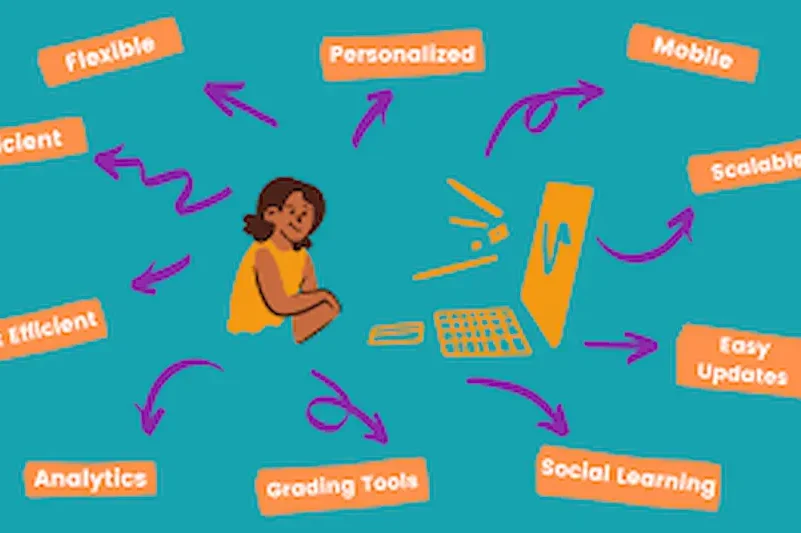
Using the right learning resources in schools comes with multiple benefits for both students and teachers. These tools not only enhance learning but also make education more effective, interactive, and enjoyable. Here are the key advantages:
1. Improves Understanding of Concepts
Learning resources like videos, interactive exercises, and simulations help students understand complex topics better. Visual and practical content makes abstract ideas easier to grasp.
2. Increases Student Engagement
Interactive platforms, quizzes, and gamified exercises make lessons more interesting. Engaged students are more likely to participate, stay focused, and retain knowledge for longer.
3. Supports Teachers in Lesson Planning
Resources often include lesson plans, worksheets, and teaching guides. This saves teachers time, helping them plan lessons more efficiently and focus on guiding students individually.
4. Encourages Independent Learning
Students can explore topics at their own pace, complete exercises, and track their progress. Independent learning builds confidence, critical thinking, and problem-solving skills. top learning resources for schools
5. Caters to Different Learning Styles
Every student has a unique learning style—visual, auditory, or kinesthetic. Learning resources offer various ways to present content, ensuring that all students can learn effectively. top learning resources for schools
6. Prepares Students for the Digital World
Many learning resources use technology that students will encounter in higher education and the workplace. Familiarity with online tools, digital collaboration, and interactive platforms builds essential 21st-century skills. top learning resources for schools
7. Provides Easy Progress Tracking
Platforms like Google Classroom, Edmodo, and Khan Academy allow teachers to monitor student performance, identify strengths and weaknesses, and provide personalized feedback. top learning resources for schools
8. Flexible and Accessible Learning
Digital resources can be accessed anytime, anywhere, making it easier for students to study outside the classroom or catch up on missed lessons. top learning resources for schools
9. Cost-Effective Solutions
Many high-quality learning resources are free or low-cost, making them accessible for schools with tight budgets while still offering excellent educational value. top learning resources for schools
Which learning resources are best for primary students?
For younger students, platforms like BBC Bitesize, Khan Academy Kids, and Prodigy are ideal. They provide interactive lessons, videos, and games that make learning fun and engaging for primary grades.
Are these learning resources free for schools?
Many resources like Khan Academy, BBC Bitesize, and Google Classroom are completely free. Some premium platforms like Coursera for Schools or Nearpod may require subscriptions for full access, but they often offer free trials or partial free content.
Can these resources be used offline?
Some platforms offer offline access. For example, Khan Academy allows students to download videos and exercises, while certain features in Google Classroom and Quizlet can be accessed offline through apps.
How do learning resources help teachers?
Learning resources provide ready-made lesson plans, quizzes, and progress-tracking tools. This reduces planning time and helps teachers focus on student engagement and personalized guidance.
Are these resources suitable for advanced students?
Yes! Platforms like Coursera for Schools and Khan Academy offer advanced courses that challenge gifted students and allow them to explore topics beyond the standard curriculum.
Conclusion
Selecting the right learning resources is essential for schools that aim to provide high-quality, engaging, and effective education. Tools like Khan Academy, Google Classroom, Quizlet, BBC Bitesize, and Coursera for Schools not only enhance student understanding but also support teachers in lesson planning, progress tracking, and classroom management.
By integrating these resources, schools can cater to different learning styles, promote independent learning, and prepare students for the digital world. The advantages are clear: improved engagement, better retention, cost-effective solutions, and access to interactive, up-to-date content. top learning resources for schools
Ultimately, investing time in choosing the best learning resources ensures that students remain motivated, confident, and equipped with the skills they need for future success. Schools that prioritize effective learning tools today are shaping a generation of learners who are ready to excel in both academics and life.