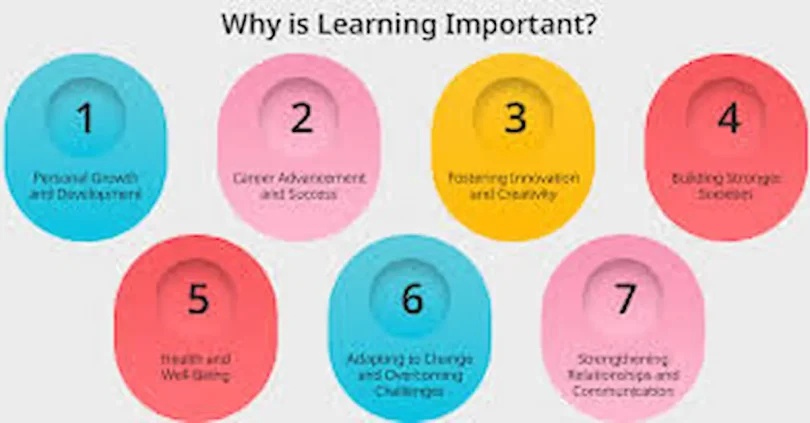

Why learning resources are important is a question every student, teacher, or lifelong learner should consider. In today’s fast-paced world, having access to the right learning materials can make a huge difference in understanding concepts, mastering skills, and achieving academic success.
Learning resources include textbooks, online courses, video tutorials, apps, study guides, and even interactive platforms that help learners gain knowledge efficiently. They not only support classroom learning but also encourage independent study, creativity, and critical thinking.
By using quality learning resources, students can improve their understanding, prepare better for exams, and stay motivated in their educational journey. In this article, we’ll explore the key reasons why learning resources are essential for learners of all ages.
Enhances Understanding of Why Learning Resources Are Important Concepts
One of the main reasons learning resources are important is that they help students understand concepts more effectively. Sometimes, classroom explanations alone may not be enough to fully grasp a topic. Learning resources, such as textbooks, online tutorials, video lessons, and interactive apps, provide additional explanations and examples that make complex subjects easier to understand.
Different learners have different learning styles. Some understand better by watching videos, others by reading, and some by practicing hands-on activities. By using a variety of learning resources, students can find the method that works best for them, making learning more engaging and effective.
These resources also allow learners to revisit topics at their own pace, pause, review, and practice as needed. This flexibility ensures that every student can fully understand the material, building a strong foundation for future learning.
Improves Academic Performance

Better Preparation for Exams
One of the primary reasons learning resources are important is that they help students prepare thoroughly for exams. Class lessons often have limited time to cover all topics in depth. Learning resources such as textbooks, online tutorials, and video lectures provide additional explanations, examples, and insights that make difficult topics easier to grasp. For instance, watching a step-by-step math tutorial or reading a detailed case study can clarify concepts that may seem confusing in class.
Reinforcement Through Practice
Practice is essential for mastering any subject. Learning resources offer exercises, quizzes, and problem-solving tasks that reinforce classroom learning. For example, language learners can improve their vocabulary and grammar through apps that provide interactive exercises, while science students can conduct virtual experiments to understand concepts better. This repeated practice ensures knowledge is retained and can be applied effectively in tests and real-life situations. Why Learning Resources Are Important
Developing Effective Study Habits
Using learning resources consistently encourages students to adopt organized and disciplined study routines. Creating a study schedule, taking notes from multiple resources, and reviewing materials regularly can improve focus and productivity. Over time, these habits help students manage time efficiently, reduce last-minute stress, and stay ahead in their academic journey.
Boosting Confidence and Grades
When students understand subjects better and practice regularly using diverse resources, they gain confidence in their abilities. This confidence reduces exam anxiety and enhances performance. As a result, students often see an improvement in grades, project results, and overall academic achievement. Why Learning Resources Are Important
Adapting to Different Learning Styles
Learning resources cater to various learning styles. Visual learners benefit from videos and infographics, auditory learners from podcasts and lectures, and kinesthetic learners from interactive simulations or hands-on activities. By using the right resources according to their learning style, students can maximize understanding and perform better academically. Why Learning Resources Are Important
Access to Expert Knowledge
Many learning resources are created by experts or experienced educators. Accessing these materials allows students to learn advanced concepts, tips, and strategies that may not be available in regular classroom teaching. This exposure gives them an academic edge and prepares them for competitive exams or higher studies. Why Learning Resources Are Important
Encourages Self-Learning and Independence
Learning at Your Own Pace
One of the biggest advantages of learning resources is that they allow students to learn at their own pace. Traditional classroom settings often move quickly, which can make it hard for some students to fully grasp difficult concepts. With resources like online courses, video tutorials, interactive apps, and e-books, learners can pause, rewind, or revisit topics until they completely understand them. For example, a student struggling with algebra can watch multiple video lessons or solve additional practice problems until they feel confident. Why Learning Resources Are Important
Developing Critical Thinking Skills
Self-directed learning encourages critical thinking. When students explore concepts independently using resources such as case studies, research papers, or educational simulations, they learn to evaluate information, make connections, and draw their own conclusions. This ability to think critically and solve problems is not only useful in academics but also in real-life decision-making situations. Why Learning Resources Are Important
Building Responsibility and Discipline
Using learning resources independently helps students develop responsibility and self-discipline. Managing their own study schedules, completing assignments on time, and seeking out additional materials cultivates strong organizational and time-management skills. These habits are valuable for future academic success, professional life, and personal development.
Exploring Interests Beyond the Curriculum
Learning resources allow students to pursue their passions beyond standard school or college curricula. For instance, they can learn coding through online platforms, practice a musical instrument using tutorial videos, or study a new language via apps. This exploration encourages curiosity, creativity, and a love for lifelong learning, turning education into a personally meaningful experience. Why Learning Resources Are Important
Boosting Confidence and Motivation
Taking charge of one’s own learning naturally boosts confidence. Successfully mastering a challenging topic independently gives students a sense of accomplishment, motivating them to tackle even more difficult subjects. Over time, this confidence strengthens self-belief and fosters a proactive attitude toward education. Why Learning Resources Are Important
Encouraging Problem-Solving and Innovation
Independent learning often requires students to find solutions on their own. By using different learning resources, they learn to approach problems from multiple angles, try new methods, and innovate. For example, a student experimenting with coding tutorials may discover a unique solution to a programming challenge, fostering creativity and resourcefulness. Why Learning Resources Are Important
Preparing for Real-World Challenges
Self-learning skills gained through effective use of learning resources prepare students for real-world challenges. In the workplace or higher education, the ability to independently gather information, learn new skills, and adapt to changing circumstances is highly valued. Students who master independent learning early are better equipped for professional and personal success.
you may also like to read these posts ;
What Are Learning Resources (Definition & Examples)
Types of Learning Resources for Students: A Complete Guide
How to Use Online Learning Resources: A Complete How-To Guide
Top Learning Resources for Schools: Best Tools Ranked 2025
Supports Lifelong Learning
Learning Doesn’t Stop After School
One of the most important reasons learning resources are important is that they enable lifelong learning. Education is not limited to classrooms, exams, or formal degrees. With the right resources, individuals can continue acquiring knowledge and skills throughout their lives, staying mentally active and intellectually engaged. Why Learning Resources Are Important
Access to New Skills and Knowledge
Learning resources like online courses, tutorials, e-books, podcasts, and webinars make it possible to learn new skills or update existing ones. For instance, a professional in marketing can take an online course in social media strategy, while a teacher can learn new instructional techniques through webinars. These resources help individuals stay current in their field and adapt to evolving industry trends. Why Learning Resources Are Important
Adapting to Changing Interests and Careers
Life often brings new interests, hobbies, or career changes. Learning resources provide a flexible way to explore these areas. Someone interested in graphic design, cooking, photography, or coding can access tutorials, online communities, and workshops to learn at their own pace. This adaptability ensures that learning continues even outside formal educational settings. Why Learning Resources Are Important
Encourages Personal and Professional Growth
Learning resources contribute not only to academic or professional development but also to personal growth. Books, podcasts, and courses on leadership, communication, mindfulness, or creativity help individuals improve themselves holistically. Such growth enhances emotional intelligence, problem-solving abilities, and social skills, which are essential for both personal and professional success. Why Learning Resources Are Important
Affordable and Accessible Learning Opportunities
Many modern learning resources are free or affordable, making lifelong learning accessible to everyone. Platforms like Coursera, Khan Academy, edX, and YouTube offer high-quality content on a wide range of topics. This accessibility breaks down barriers related to cost, location, and time, empowering anyone to continue learning regardless of their circumstances. Why Learning Resources Are Important
Developing a Habit of Continuous Learning
Using learning resources consistently helps individuals cultivate a habit of continuous learning. Lifelong learners stay curious, embrace challenges, and are more adaptable to change. This mindset encourages innovation, personal fulfillment, and sustained professional growth. Why Learning Resources Are Important
Building a Knowledge-Rich Life
Engaging with learning resources throughout life allows individuals to accumulate knowledge across diverse areas. This creates a rich, well-rounded understanding of the world, fostering informed decision-making, better problem-solving, and a broader perspective on life. Why Learning Resources Are Important
Offers Diverse Perspectives
Exposure to Different Ideas and Cultures
One of the major reasons learning resources are important is that they expose learners to a wide range of ideas, cultures, and approaches. Books, online courses, podcasts, and video tutorials are often created by educators and experts from different countries and backgrounds. This diversity allows learners to see topics from multiple angles, understand various methodologies, and develop a broader worldview. For example, studying history from textbooks of different countries can provide unique insights into the same event. Why Learning Resources Are Important
Enhancing Creativity and Problem-Solving
Learning from multiple perspectives encourages creativity and innovative thinking. When students explore solutions or approaches presented by different experts, they learn to think critically and devise their own unique strategies. For instance, a student studying design can combine techniques from various tutorials to create something original. Exposure to varied viewpoints enhances problem-solving skills and encourages learners to approach challenges creatively. Why Learning Resources Are Important
Learning from Experts Worldwide
Many high-quality learning resources are developed by global experts with years of experience in their fields. Accessing these resources allows learners to gain knowledge that might not be available locally. For example, a coding student can learn best practices from top developers through online platforms, while a music student can follow lessons from internationally acclaimed musicians. This global access enriches learning and provides a competitive edge. Why Learning Resources Are Important
Encouraging Collaboration and Discussion
Diverse learning resources often include interactive elements like discussion forums, group projects, or peer reviews. Engaging with learners from different cultures and backgrounds helps students refine their own ideas, challenge assumptions, and expand their understanding. Collaborative learning nurtures communication skills and teaches students to value multiple viewpoints.
Preparing for a Globalized World
In today’s interconnected world, exposure to diverse perspectives is essential. Learning resources that provide global insights, cultural awareness, and varied problem-solving approaches equip learners with the skills needed to thrive in multicultural environments. This prepares them for careers that require cross-cultural collaboration and international understanding.
Fostering Empathy and Understanding
By exploring resources that highlight different cultures, experiences, and worldviews, learners develop empathy and a deeper understanding of society. For instance, reading literature from various countries or watching documentaries about different communities broadens horizons and promotes tolerance, respect, and informed decision-making. Why Learning Resources Are Important
Combining Perspectives for Holistic Learning
Using diverse resources allows learners to integrate different viewpoints into a cohesive understanding. This combination helps in making well-informed decisions, thinking critically about issues, and developing a nuanced perspective on complex topics. It also encourages lifelong curiosity and a willingness to explore new ideas continuously. Why Learning Resources Are Important
Tips to Make the Most of Learning Resources

Choose Reliable and Updated Materials
The first step to effective learning is selecting trustworthy resources. Make sure textbooks, online courses, apps, and tutorials come from credible sources. Updated materials ensure that the information is accurate and relevant to current knowledge or industry standards. Why Learning Resources Are Important
Combine Different Types of Resources
Different resources complement each other. For example, reading a textbook can give you theory, while videos and interactive simulations provide practical understanding. Using a mix of books, videos, podcasts, and apps caters to different learning styles and enhances comprehension. Why Learning Resources Are Important
Create a Study Schedule
Consistency is key. Allocate specific time each day or week to study using learning resources. A regular routine helps retain information, reduces last-minute stress before exams, and promotes disciplined learning habits.
Take Notes and Summarize
While studying, take notes, highlight important points, and summarize what you’ve learned. Writing down information improves retention and allows you to revisit key concepts quickly without going through entire materials again. Why Learning Resources Are Important
Practice Regularly
Many learning resources provide exercises, quizzes, and practice tests. Regular practice helps reinforce knowledge, improves problem-solving skills, and builds confidence. For instance, math or coding students benefit greatly from repeated exercises.
Stay Curious and Explore Beyond the Curriculum
Don’t limit yourself to just what’s taught in class. Explore topics that interest you through online tutorials, workshops, or educational videos. This encourages self-learning, creativity, and a deeper understanding of your subject. Why Learning Resources Are Important
Engage with Learning Communities
Join forums, discussion groups, or study groups related to your subjects. Engaging with other learners provides diverse perspectives, answers questions, and motivates you to stay committed to your learning goals.
Review and Reflect Regularly
Take time to review what you’ve learned and reflect on how you can apply it. Reflection helps in connecting concepts, identifying areas of improvement, and reinforcing knowledge for long-term retention.
What are learning resources?
Learning resources are materials or tools that help students and learners gain knowledge, understand concepts, and develop skills. Examples include textbooks, online courses, video tutorials, apps, study guides, and educational websites.
Why are learning resources important for students?
Learning resources enhance understanding, improve academic performance, encourage self-learning, provide diverse perspectives, and support lifelong learning. They give students additional guidance beyond classroom teaching.
Can online resources replace textbooks?
While online resources are highly beneficial, they don’t always replace textbooks entirely. Textbooks provide structured content and foundational knowledge, whereas online resources often offer practical examples, interactive learning, and updated information. Using both together is most effective.
How can I find the best learning resources?
Look for credible sources, check reviews or recommendations from experts or educators, and choose materials that match your learning style. Combining books, videos, apps, and online courses can create a comprehensive learning experience.
Are learning resources useful for adults and professionals?
Absolutely! Learning resources are not limited to students. Adults and professionals can use them to acquire new skills, stay updated in their field, explore hobbies, and support personal and professional growth.
Conclusion
In today’s fast-paced and knowledge-driven world, learning resources are important for students, professionals, and lifelong learners alike. They enhance understanding, improve academic performance, encourage self-learning, support lifelong growth, and expose learners to diverse perspectives.
By using the right resources, learners can study at their own pace, develop critical thinking, explore interests beyond the curriculum, and stay motivated. Whether it’s textbooks, online courses, video tutorials, or interactive apps, each resource adds value to the learning journey.
Investing time in using learning resources effectively not only boosts academic success but also builds habits, skills, and confidence that last a lifetime. Start exploring and utilizing quality learning resources today to unlock your full potential.