
In today’s fast-paced educational world, students have more options than ever to learn effectively. Digital learning resources vs textbooks is a comparison that every student and educator is exploring. While textbooks have been the traditional backbone of education for decades, digital tools like e-books, online courses, and interactive apps are transforming the way we study. Understanding the differences between these two learning methods can help students choose the right resources for their learning style, save time, and improve academic performance.
Accessibility and Convenience of Digital learning resources vs textbooks
One of the most noticeable differences between digital learning resources and textbooks is how easily students can access them. This factor can greatly impact how efficiently you learn.
Digital Learning Resources:
- Access anytime, anywhere: With digital resources, you can study at home, in a library, or even on the go. All you need is an internet connection.
- Multiple devices: Laptops, tablets, and smartphones allow you to study without being tied to one location. Some resources even work offline once downloaded.
- Instant updates: Digital materials are easy to update, ensuring you always have the most current information, especially in fast-changing fields like technology, science, or finance.
- Search and navigate easily: You can quickly find a topic or keyword in an e-book or online course, saving time and effort compared to flipping through pages.
Textbooks:
- Physical presence required: To study from a textbook, you must have the book with you. Carrying multiple textbooks can be heavy and inconvenient.
- Fixed content: Once printed, textbooks cannot be updated. If new discoveries or updates occur, students may need to buy a new edition.
- No tech needed: Textbooks work anywhere without electricity, Wi-Fi, or devices. This makes them reliable in situations where digital access is limited.
- Hands-on reading experience: Many students find it easier to concentrate and retain information when reading physical books, as there are fewer digital distractions.
Summary:
Digital learning resources are highly convenient, flexible, and easy to navigate, making them ideal for modern, fast-paced learning. Textbooks, however, remain a dependable choice, especially in areas with limited internet access or when students prefer a tactile learning experience.
Cost and Affordability

Cost is an important factor for students when choosing between digital learning resources and textbooks. Understanding how each option affects your budget can help you make smarter decisions.
Digital Learning Resources:
- Free and low-cost options: Many online platforms, such as Khan Academy, Coursera, and edX, offer free courses, tutorials, and e-books. Even paid resources often cost less than physical textbooks.
- Subscription-based learning: Platforms like Udemy or Skillshare provide access to thousands of courses with a single monthly or yearly subscription, which can be more economical than buying multiple textbooks.
- No storage or maintenance cost: Digital resources don’t take up physical space and are not prone to wear and tear, so there’s no need to replace them due to damage.
- Reusable and shareable: E-books, PDFs, and online materials can often be reused across semesters, or even shared legally with peers, saving extra costs.
- Cost for devices/internet: While digital resources can be cheaper, you need a device and internet access. For some students, this initial investment may be higher but pays off over time.
Textbooks:
- High upfront cost: College textbooks and specialized reference books often cost a lot, sometimes hundreds of dollars per book.
- Edition updates: Many subjects, especially in science and technology, require the latest editions, which can mean repeated purchases.
- Limited affordability options: Buying used books can help save money, but older editions may have outdated content or missing supplemental materials.
- Resale value: Textbooks can be resold, but the resale price is usually much lower than the purchase price, so it’s not a perfect cost-saving method.
- Long-term durability: While textbooks may be costly initially, they can last for years if properly cared for, especially for reference purposes.
Summary:
Digital learning resources are generally more budget-friendly and flexible, offering a range of free or affordable options for learners. Textbooks may require a higher upfront investment but can provide long-term use and reliability. For students on a tight budget, combining free or low-cost digital resources with selected textbooks is often the most cost-effective approach.
Interactivity and Engagement
When it comes to learning, staying engaged with the material is crucial for understanding and retaining knowledge. Digital learning resources and textbooks differ greatly in how they keep students involved in the learning process.
Digital Learning Resources:
- Interactive and multimedia content: Digital platforms offer videos, animations, audio explanations, and interactive diagrams that bring complex concepts to life. For example, a biology app can show a 3D animation of the human heart, making it easier to visualize than a static textbook image.
- Gamification elements: Many educational apps include badges, points, leaderboards, or challenges to make learning feel like a game. This motivates students to complete lessons and track their progress.
- Personalized learning paths: Digital resources often adapt to the learner’s pace. If a student struggles with a topic, the system can offer additional exercises or explanations, ensuring no one falls behind.
- Multisensory learning: Combining visual, auditory, and kinesthetic experiences helps reinforce understanding. For example, coding platforms let students read tutorials, watch videos, and immediately practice by writing code themselves.
- Immediate feedback: Quizzes, exercises, and assessments provide instant feedback, so students know exactly which areas need improvement. This accelerates learning and reduces confusion.
- Collaborative features: Many platforms allow discussion forums, peer reviews, or live classes, encouraging interaction and collaborative learning.
Textbooks:
- Static, linear learning: Traditional textbooks rely on reading text and looking at images, which can be less engaging for modern learners accustomed to dynamic content.
- Active reading techniques: Students can still engage through highlighting, underlining, making notes, or creating flashcards, but this requires self-motivation.Digital learning resources vs textbooks
- Limited adaptation: All students receive the same content, regardless of skill level or learning pace, which may make it harder for some learners to keep up or stay challenged.
- Supplementary resources: Some textbooks include access codes for online content or companion websites, but the level of interactivity is generally lower than fully digital platforms. Digital learning resources vs textbooks
- Focused learning: On the positive side, textbooks offer a distraction-free environment. Without notifications, pop-ups, or other online distractions, students can concentrate deeply on reading and understanding.
Summary:
Digital learning resources offer high engagement through interactive, adaptive, and multisensory experiences, making them ideal for students who thrive with hands-on and dynamic learning. Textbooks, while less interactive, provide a structured, focused learning environment, which benefits students who prefer reading and reflection over digital stimulation.
you may also like to read these posts;
What Are Learning Resources (Definition & Examples)
Types of Learning Resources for Students: A Complete Guide
How to Use Online Learning Resources: A Complete How-To Guide
Why Learning Resources Are Important: Key Reasons Students Must Use Them
Top Learning Resources for Schools: Best Tools Ranked 2025
Learning Effectiveness and Retention
At the end of the day, the real question is: Which method helps students learn better and remember longer? Both digital learning resources and textbooks impact learning effectiveness in different ways, depending on the student’s style and habits.
Digital Learning Resources:
- Interactive practice strengthens memory: Quizzes, flashcards, and instant tests on apps like Quizlet or Duolingo reinforce knowledge through active recall, which is one of the best memory techniques. Digital learning resources vs textbooks
- Adaptive learning keeps progress steady: Platforms like Khan Academy or Coursera adjust difficulty levels. For example, if a student struggles with algebra, the system provides extra practice until mastery is achieved, ensuring stronger retention.
- Engagement improves understanding: Watching a video of a chemistry experiment or using a 3D anatomy model makes learning not only more interesting but also more memorable because students can see concepts in action. Digital learning resources vs textbooks
- Easier revisions: Students can quickly search keywords or revisit specific lessons before exams, saving time compared to manually scanning pages in a textbook. Digital learning resources vs textbooks
- Reinforcement through multiple formats: Learning the same concept via video, text, and interactive exercises improves comprehension because the brain processes information in different ways. Digital learning resources vs textbooks
Textbooks:
- Deeper focus, less distraction: Printed books don’t have pop-ups, ads, or notifications, allowing students to immerse themselves fully in reading. This focused attention often leads to better comprehension.
- Proven memory benefits of print: Studies have shown that some learners retain information better when reading physical books compared to screens, as the tactile experience of flipping pages and marking notes helps memory.
- Note-taking as a retention tool: Writing in the margins, underlining, or using sticky notes makes students actively interact with the content, which improves recall. For example, rewriting a math formula in your own words in the margin helps the brain process it better.
- Structured progression: Textbooks guide students chapter by chapter in a logical order, which prevents skipping essential foundational knowledge. This step-by-step structure supports long-term understanding.
- Better for long reading sessions: Paper is easier on the eyes than screens, reducing fatigue. This makes textbooks especially helpful for subjects requiring long hours of study, such as law or history.
Real-Life Example:
Imagine a student preparing for a biology exam. They might use a digital app to watch a 3D animation of cell division and quiz themselves with flashcards. Later, they can turn to their textbook for detailed explanations, diagrams, and structured summaries of the topic. Together, these methods reinforce each other, making retention much stronger. Digital learning resources vs textbooks
Summary:
Digital resources shine when it comes to quick understanding, repetition, and adaptive practice, while textbooks excel in deep reading, concentration, and long-term retention. The most effective approach isn’t choosing one over the other—it’s combining both: using digital tools for practice and visual learning, and textbooks for in-depth study and critical thinking. Digital learning resources vs textbooks
Environmental Impact
In today’s world, sustainability is a growing concern, and even the way we study has an effect on the environment. Comparing digital learning resources and textbooks shows that both have advantages and drawbacks when it comes to being eco-friendly.
Digital Learning Resources:
- Paper-free learning: Digital resources significantly reduce the need for paper, which means fewer trees are cut down for printing books. For example, one e-book can replace hundreds of pages of printed material. Digital learning resources vs textbooks
- No ink or shipping required: Since digital content is delivered online, it avoids the environmental costs of ink production, large-scale printing, and global shipping. Digital learning resources vs textbooks
- Energy and server usage: The downside is that digital learning relies heavily on electricity. Devices like laptops, tablets, and smartphones need regular charging, and massive data centers powering online platforms consume large amounts of energy. Digital learning resources vs textbooks
- E-waste concerns: Old or damaged devices often end up as electronic waste. If not recycled properly, they can release harmful chemicals into the environment. Digital learning resources vs textbooks
- Positive trend: Many companies are working to make technology greener, such as using renewable energy for data centers or promoting recycling programs for devices. Digital learning resources vs textbooks
Textbooks:
- Resource-heavy production: Printing textbooks requires cutting down trees, producing paper, using ink, and running large printing machines—all of which consume energy and natural resources. Digital learning resources vs textbooks
- Transportation impact: Shipping physical books, sometimes across countries, adds to carbon emissions through packaging and fuel consumption. Digital learning resources vs textbooks
- Durability advantage: A single textbook can last for years and be shared by multiple students, making it a sustainable option if reused properly. For example, libraries and second-hand bookstores extend the life of textbooks and reduce waste.
- Waste problem with new editions: Frequent new editions make older books “obsolete” even if they are still useful. This creates unnecessary waste and drives more printing cycles. Digital learning resources vs textbooks
- Recyclability: Unlike electronic waste, paper books can often be recycled or repurposed, which helps reduce their environmental footprint. Digital learning resources vs textbooks
Summary:
Digital learning resources seem more eco-friendly because they reduce the need for paper, ink, and shipping. However, their reliance on energy and the problem of e-waste mean they are not impact-free. Textbooks, while resource-intensive to produce, can be reused for decades if properly maintained, making them surprisingly sustainable in the long run. The best eco-friendly approach is a hybrid: use digital tools for everyday study and updates, while reusing or borrowing textbooks to minimize both waste and energy use. Digital learning resources vs textbooks
Durability and Reliability
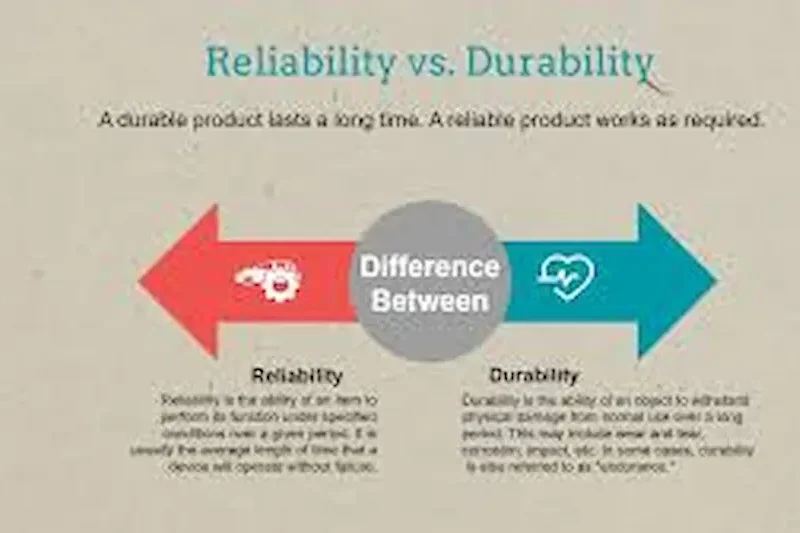
When choosing between digital learning resources and textbooks, it’s important to consider how dependable each option is. Durability and reliability directly affect whether students can consistently access their study materials without unexpected interruptions. Digital learning resources vs textbooks
Digital Learning Resources:
- Reliance on technology: Digital platforms require electronic devices such as laptops, tablets, or smartphones. Without a working device or electricity, access becomes impossible. For instance, a dead battery in the middle of an online exam can create major stress. Digital learning resources vs textbooks
- Internet dependence: Many digital tools work only with a stable internet connection. In areas with poor connectivity, students may struggle to access their lessons on time. Digital learning resources vs textbooks
- Software and hardware issues: Apps may crash, websites may go offline, or devices may get viruses. These issues can temporarily block access to important study materials. Digital learning resources vs textbooks
- Device lifespan: Most devices last only 3–5 years before they slow down or need replacement, which reduces long-term durability compared to a textbook that can be used for decades. Digital learning resources vs textbooks
- Cloud storage advantage: On the positive side, many digital resources allow cloud backups. If a device is lost, stolen, or damaged, students can log in from another device and continue learning without losing their progress.
- Up-to-date accuracy: Digital platforms can update content instantly. For example, an online medical course can be revised as soon as new research is published, ensuring students always study the latest information.
Textbooks:
- Physical durability: A single textbook can last for years or even decades if cared for properly. Libraries often preserve books for generations. Digital learning resources vs textbooks
- No power needed: Unlike digital tools, textbooks don’t need charging, internet, or devices. They work anytime, anywhere—even during a power outage. Digital learning resources vs textbooks
- Wear and tear: Books can get damaged through torn pages, stains, or spine breakage. Once heavily damaged, they may become difficult to use. Digital learning resources vs textbooks
- Consistent content: Textbooks provide stable, unchanging information. While this means they may become outdated, it also makes them reliable as a consistent reference source. Digital learning resources vs textbooks
- Always accessible: Students don’t have to worry about forgotten passwords, broken screens, or app errors. If the book is with you, it’s ready to use. Digital learning resources vs textbooks
Real-Life Example:
Imagine a student preparing for finals. If their tablet crashes or the Wi-Fi goes down, they might lose access to online notes. However, a textbook will always be there, ready to open and read, even without electricity. On the flip side, a digital platform might provide updated practice tests that the textbook doesn’t include. Digital learning resources vs textbooks
Summary:
Digital resources are reliable in terms of updated and accessible information (as long as the technology works), but they come with risks like device failure and internet dependence. Textbooks, while low-tech, are extremely durable and accessible anytime, though they may lack the latest updates. For the most dependable learning experience, many students benefit from using both—digital tools for up-to-date learning and textbooks as a backup during technical failures.
Which is better for exam preparation: digital resources or textbooks?
Both can be useful, depending on your study style. Digital resources are great for quick revisions, practice quizzes, and updated notes, while textbooks are better for deep understanding and long study sessions. Ideally, use both—start with textbooks for concepts and finish with digital tools for practice.
Can digital learning resources completely replace textbooks?
Not yet. While digital resources are flexible and engaging, textbooks remain reliable and distraction-free. Some subjects, especially those with lots of reading (like law or literature), still benefit greatly from physical books. A combination of both is usually the best option.
Are digital resources suitable for every subject?
Digital resources work well for subjects that require visual aids, interactive practice, or frequent updates—like science, math, or technology. However, subjects that require deep reading, analysis, and note-taking, such as history or philosophy, are often better studied with textbooks.
Which option is more cost-effective: digital resources or textbooks?
Digital resources can be cheaper in the short term, especially with free apps and open-source platforms. However, devices and internet costs can add up. Textbooks are expensive upfront but can last for years and be resold or shared. Cost-effectiveness depends on how often you study and update materials.
Do textbooks or digital resources improve focus more?
Textbooks usually provide fewer distractions since there are no notifications or internet temptations. Digital resources can be more engaging but may also lead to multitasking. Students who struggle with focus often find textbooks more effective for serious study sessions.
Conclusion
The debate of digital learning resources vs textbooks isn’t about which one is better, but about how students can make the most of both. Digital tools bring flexibility, interactive learning, and updated content, while textbooks offer structure, reliability, and focused study. Instead of replacing one with the other, combining them creates a balanced learning experience that supports different study styles and needs.
For students, the smart choice is to use textbooks for building strong foundations and digital resources for revision, practice, and staying up to date. By blending these two approaches, learners can enjoy the best of both worlds—deeper understanding, better focus, and more effective results.