



How to achieve student success is a question many students ask, whether they are in school, college, or university. Success is not only about getting good grades—it’s about developing the right habits, skills, and mindset to excel both academically and personally. Students who set goals, manage their time effectively, stay motivated, and build strong study and social habits are more likely to achieve lasting success.
In this guide, we will walk you step by step through proven strategies to help you improve your performance, grow personally, and prepare for a bright future. By following these practical tips, you can take control of your learning journey and achieve success in every aspect of student life.
1. how to achieve student success Set Clear Goals
Setting clear goals is the first step in achieving student success. Without goals, students may feel directionless and struggle to stay motivated. Goals give you a roadmap, helping you know what to focus on and measure your progress along the way.
Short-Term and Long-Term Goals
- Short-term goals are tasks you want to achieve in the near future, such as completing homework on time, preparing for a quiz, or finishing a project. These goals help you stay organized and motivated daily.
- Long-term goals are bigger objectives, like improving overall grades, mastering a subject, or earning a leadership position in school. Long-term goals give you a sense of purpose and guide your daily actions.
Writing Down and Reviewing Goals
Writing goals down makes them tangible and easier to follow. Keep a notebook, planner, or digital tool to list your goals and track progress. Reviewing them regularly ensures you stay on track and make adjustments if needed.
Why Goals Matter
Setting clear goals helps students focus their time and energy on what truly matters. It creates motivation, encourages discipline, and provides a sense of accomplishment when goals are achieved. Students who practice goal-setting are more likely to succeed academically and grow personally.
2. Develop Strong Study Habits

Strong study habits are the backbone of student success. They help you understand concepts better, retain information longer, and reduce stress during exams. Developing consistent and effective study routines can make learning easier and more enjoyable.
Create a Study Schedule
A well-planned schedule ensures all subjects and assignments are covered:
- Plan daily and weekly: Allocate specific hours for each subject and task.
- Prioritize difficult subjects: Tackle challenging topics when your energy is highest.
- Balance study and breaks: Avoid burnout by including short breaks and leisure time.
- Stick to the routine: Consistency builds discipline and helps form a productive habit.
Example: If you study 2 hours daily for mathematics in the morning and 1 hour for science in the evening, you ensure steady progress without cramming.
Use Active Learning Techniques
Active learning improves understanding and memory retention:
- Summarize: Rewrite notes in your own words to reinforce learning.
- Teach someone else: Explaining a concept to a friend makes it stick.
- Ask questions: Challenge yourself with “why” and “how” questions for deeper understanding.
- Practice regularly: Solve exercises, sample papers, and previous exams.
Tip: Instead of passively reading a chapter, create flashcards or mind maps for better retention.
Minimize Distractions
A focused study environment enhances concentration and productivity:
- Limit phone use: Keep devices away or on “Do Not Disturb” mode.
- Quiet study space: Choose a place with minimal noise and interruptions.
- Organize materials: Keep textbooks, notebooks, and stationery within reach.
- Avoid multitasking: Focus on one task at a time to improve efficiency.
Example: Studying for 45 minutes straight in a quiet room is more effective than studying 90 minutes while checking social media.
Take Breaks and Refresh Your Mind
Breaks are essential for long-term focus and mental clarity:
- Use techniques like the Pomodoro method (25 minutes study + 5 minutes break).
- Stretch, walk, or do light exercises during breaks to stay energized.
- Drink water and have healthy snacks to maintain concentration.
Tip: Avoid long, continuous study sessions—they often lead to fatigue and reduced retention.
Stay Organized and Track Progress
Organization keeps your study routine effective:
- Keep a to-do list of assignments and revision tasks.
- Use planners or digital apps like Notion, Trello, or Google Calendar to track deadlines.
- Review what you have learned each week to identify weak areas and improve.
Why Strong Study Habits Matter
Students with effective study habits:
- Perform better academically with less stress.
- Build discipline, focus, and time management skills.
- Retain knowledge longer and feel more confident during exams.
Pro Tip: Developing strong study habits early creates a lifelong skill set that helps in college, career, and beyond.
3. Manage Time Effectively
Effective time management is a key habit of successful students. It allows you to complete tasks efficiently, reduce stress, and maintain balance between studies, extracurricular activities, and personal life. Learning how to manage your time wisely ensures consistent progress toward your academic and personal goals.
Prioritize Tasks
Prioritization ensures that your most important tasks get attention first:
- Distinguish urgent vs. important tasks: Urgent tasks have immediate deadlines, while important tasks contribute to long-term goals.
- Create a daily priority list: Rank tasks from most critical to least important.
- Focus on high-impact tasks: Spend more time on subjects or assignments that require improvement or have higher stakes.
Example: If a math test is tomorrow, studying for it should take priority over revising notes for a subject that has no upcoming exam.
Plan Your Day and Week
Planning ahead helps structure your time efficiently:
- Daily planning: Start each day by listing tasks and allocating specific hours for each.
- Weekly planning: Identify all assignments, tests, and activities for the week and plan your time accordingly.
- Time blocking: Dedicate uninterrupted blocks of time to specific tasks for maximum focus.
Tip: Use tools like Google Calendar, Notion, or Trello to visualize your schedule and keep track of deadlines.
Break Tasks into Smaller Steps
Large projects or assignments can feel overwhelming, but dividing them into smaller steps makes them manageable:
- Set mini-deadlines for each step.
- Focus on completing one part at a time.
- Celebrate small wins to maintain motivation.
Example: For a research paper due in two weeks:
- Choose topic – Day 1
- Research sources – Days 2–4
- Outline structure – Day 5
- Draft sections – Days 6–10
- Edit and finalize – Days 11–14
Breaking it down prevents last-minute stress and improves quality.
Avoid Procrastination
Procrastination is one of the biggest obstacles to student success:
- Start tasks early, even if only a small portion is done initially.
- Use the Pomodoro technique: 25 minutes of focused work followed by a 5-minute break.
- Remove distractions: mute notifications, keep your phone away, and choose a quiet study area.
- Reward yourself for completing tasks to stay motivated.
Tip: Often, starting a task is the hardest part—once you begin, momentum makes it easier to continue.
Learn to Say No
Time management also means understanding your limits:
- Avoid overcommitting to extracurriculars or unnecessary activities.
- Focus on tasks that align with your goals.
- Politely declining tasks that don’t add value frees up time for priorities.
Example: If you already have two assignments due and a major test coming up, it’s okay to decline a new club activity until deadlines are met.
Use Tools and Techniques
Several strategies can make time management easier:
- Digital tools: Trello, Notion, Google Calendar, and Todoist for task tracking.
- Timers and reminders: Help maintain focus and meet deadlines.
- Checklists: Crossing off completed tasks gives a sense of accomplishment.
- Reflection: Review how your time was spent at the end of each week and adjust accordingly.
Why Time Management Matters
Students who manage time effectively:
- Complete tasks efficiently and avoid last-minute stress.
- Maintain balance between studies, hobbies, and personal life.
- Build discipline, responsibility, and planning skills that last a lifetime.
- Increase productivity, leaving more time for rest, social life, and personal growth.
Pro Tip: Time management is not just about studying—it’s about creating a sustainable routine that allows you to achieve goals while maintaining balance and well-being.
4. Stay Motivated and Positive
Staying motivated and positive is one of the most important habits for student success. Motivation drives action, while a positive mindset helps you overcome challenges, reduce stress, and stay focused on long-term goals. Together, they create the energy and resilience needed to excel academically and personally.
Set Personal Rewards and Celebrate Achievements
Rewarding yourself boosts motivation and reinforces positive behavior:
- Break larger tasks into smaller steps and reward yourself for completing each step.
- Celebrate small wins, like finishing a difficult assignment or scoring higher on a quiz.
- Treat yourself with a favorite activity, snack, or short break after achieving a milestone.
Example: After completing a challenging science project, spend an hour doing a hobby you enjoy.
Surround Yourself with Positive Influences
Your environment has a significant impact on motivation and mindset:
- Spend time with peers who are focused and supportive.
- Seek guidance from teachers, mentors, or counselors.
- Join study groups or clubs that encourage growth and learning.
Tip: Avoid negative influences, such as peers who distract or discourage you, as they can reduce motivation and focus.
Visualize Your Goals and Success
Visualization helps maintain focus and reinforces commitment to your goals:
- Picture yourself completing tasks successfully, performing well in exams, or achieving your long-term objectives.
- Create a vision board with academic and personal goals to keep them visible.
- Use positive affirmations like “I am capable of achieving my goals” to reinforce confidence.
Example: Imagine presenting a project confidently in front of the class or seeing your grades improve steadily.
Maintain a Positive Mindset During Challenges
A positive mindset helps you handle setbacks and maintain perseverance:
- Treat mistakes as learning opportunities rather than failures.
- Replace negative thoughts with encouraging self-talk, such as “I can improve if I keep trying.”
- Focus on progress rather than perfection, appreciating every small step forward.
Tip: Keep a gratitude journal to reflect on daily successes and maintain a positive attitude.
Break Tasks into Manageable or Fun Parts
Large tasks can feel overwhelming and reduce motivation. Breaking them down makes them easier to handle:
- Divide study sessions into shorter blocks with breaks in between.
- Mix subjects or tasks to prevent monotony.
- Use interactive methods such as quizzes, flashcards, or group discussions to make learning enjoyable.
Example: Instead of studying an entire chapter at once, split it into sections and quiz yourself after each one.
Stay Consistent and Track Progress
Consistency reinforces motivation and builds long-term habits:
- Review your goals and track progress regularly.
- Adjust strategies based on what works best for you.
- Reflect on achievements weekly to recognize growth and areas for improvement.
Tip: Keeping a daily or weekly log of tasks completed and milestones achieved encourages a sense of accomplishment and sustained motivation.
Why Motivation and Positivity Matter
Students who stay motivated and maintain a positive mindset:
- Persist through challenges without giving up.
- Approach learning with enthusiasm rather than stress.
- Build resilience, confidence, and a proactive attitude.
- Achieve long-term academic, personal, and professional success.
Pro Tip: Motivation naturally fluctuates. Using rewards, visualization, positive thinking, and reflection ensures you stay focused and consistent over time.
5. Improve Communication and Social Skills
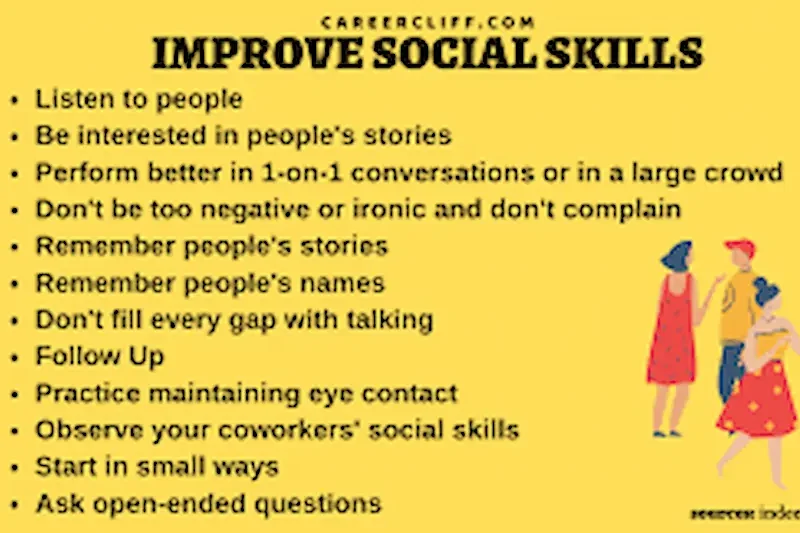
Communication and social skills are critical for student success. While strong academics are essential, students who can express themselves clearly, build relationships, and collaborate effectively often excel in both school and future careers. These skills also improve confidence, teamwork, and problem-solving abilities.
Develop Clear and Confident Communication
Clear communication ensures your ideas are understood and valued:
- Practice speaking clearly: Use simple, precise words in class discussions, presentations, or debates.
- Enhance writing skills: Write structured essays, reports, and emails with proper grammar and punctuation.
- Active listening: Pay close attention to what others say, ask clarifying questions, and respond thoughtfully.
- Non-verbal cues: Maintain eye contact, use gestures, and adopt confident body language to strengthen your message.
Example: When presenting a science project, clearly explain each step, make eye contact with your audience, and answer questions politely.
Build Strong Interpersonal Skills
Positive relationships support learning and personal growth:
- Show respect and courtesy in all interactions.
- Develop empathy by understanding others’ perspectives and feelings.
- Be cooperative and contribute fairly in group activities.
- Practice gratitude and appreciation to strengthen bonds with peers and teachers.
Tip: Compliment classmates on their efforts or offer help when someone is struggling. Small gestures improve relationships and create a positive learning environment.
Participate in Group Activities and Teamwork
Working with others improves both communication and social skills:
- Join clubs, study groups, or extracurricular activities.
- Take leadership roles in projects or committees to build confidence.
- Balance listening and contributing: ensure everyone’s voice is heard.
- Learn to share responsibilities and support teammates.
Example: Collaborating on a history project teaches you to divide tasks, discuss ideas, and present a collective outcome.
Handle Conflicts Constructively
Conflict is inevitable but can be managed positively:
- Stay calm and listen to all perspectives before responding.
- Focus on finding solutions rather than blaming others.
- Communicate respectfully, even when disagreeing.
- Practice compromise to maintain harmony and productivity.
Tip: Use “I” statements like “I feel… when…” to express your perspective without offending others.
Network and Build Relationships
Networking benefits students academically and socially:
- Connect with teachers, mentors, and classmates who inspire or guide you.
- Ask for advice, feedback, or support when needed.
- Build meaningful, professional relationships for future opportunities.
Example: A student who actively participates in a school science club may gain mentorship, collaborative project opportunities, and connections for competitions.
Use Technology to Enhance Skills
Digital tools can also improve communication and social interaction:
- Join online study groups or forums to discuss topics and ask questions.
- Use apps like Zoom, Google Meet, or Microsoft Teams for virtual presentations and collaborations.
- Practice professional writing through emails or digital messaging with teachers and mentors.
Tip: Be mindful of online etiquette and respectful communication in digital interactions.
Why Communication and Social Skills Matter
Students with strong communication and social skills:
- Work effectively in teams and complete group projects efficiently.
- Express ideas confidently in class, exams, and presentations.
- Build positive relationships that provide support, guidance, and new opportunities.
- Prepare for leadership roles and professional success in future careers.
Pro Tip: Communication and social skills improve with practice. Participate actively, engage in discussions, collaborate with peers, reflect on interactions, and continuously refine your approach.
you may also like to read these posts;
How to Use Online Learning Resources: A Complete How-To Guide
Why Learning Resources Are Important: Key Reasons Students Must Use Them
Top Learning Resources for Schools: Best Tools Ranked 2025
Digital Learning Resources vs Textbooks: Key Comparison
Types of Skills for Student Success: Key Skills Every Student Needs
6. Take Care of Health and Well-Being
Good health and well-being are fundamental for student success. Students who maintain a healthy mind and body can focus better, retain information more effectively, handle stress, and achieve consistent academic results. Neglecting health can lead to fatigue, burnout, and poor performance, making it essential to develop balanced daily habits.
Get Enough Sleep
Sleep is critical for memory, concentration, and overall cognitive function:
- Aim for 7–8 hours of quality sleep each night to allow the brain and body to recover.
- Keep a consistent sleep schedule, even on weekends, to regulate your internal clock.
- Avoid late-night cramming; short, focused study sessions during the day are more effective.
- Limit screen time before bed; the blue light from phones and computers can disrupt sleep.
Example: Going to bed at 10:30 PM and waking up at 6:30 AM helps students feel refreshed and ready for school.
Eat Nutritious and Balanced Meals
Proper nutrition fuels the brain, supports energy levels, and enhances focus:
- Include fruits, vegetables, whole grains, lean protein, and healthy fats in your meals.
- Avoid excessive junk food, sugary drinks, and energy drinks that cause crashes.
- Stay hydrated by drinking 6–8 glasses of water daily.
- Snack smartly with nuts, fruits, or yogurt for steady energy.
Example: A breakfast of eggs, whole-grain toast, and a banana provides sustained energy for morning classes.
Exercise Regularly
Physical activity boosts energy, reduces stress, and improves mood:
- Aim for 30–60 minutes of exercise most days, including cardio, stretching, or yoga.
- Participate in school sports, dance, or fitness clubs to combine fun and exercise.
- Use short activity breaks during study sessions to stay alert.
Tip: Even a 10-minute walk outside between study sessions refreshes the mind and improves focus.
Manage Stress and Practice Mindfulness
Stress can negatively affect learning, motivation, and mental health. Mindfulness techniques help maintain balance:
- Practice deep breathing, meditation, or yoga for calmness and focus. how to achieve student success
- Engage in hobbies like reading, painting, or music to relax. how to achieve student success
- Break overwhelming tasks into smaller, manageable steps to avoid anxiety. how to achieve student success
- Keep a journal to track thoughts, feelings, and achievements. how to achieve student success
Example: Spending 10 minutes daily in meditation or journaling can reduce stress and improve focus. how to achieve student success
Maintain a Healthy Routine
A structured routine supports both physical and mental well-being:
- Set fixed times for studying, meals, exercise, and rest to create consistency. how to achieve student success
- Avoid overloading your day; include downtime to recharge. how to achieve student success
- Take short breaks during long study sessions to prevent fatigue. how to achieve student success
- Limit screen time and social media use during study hours. how to achieve student success
Example: Allocating 1–2 hours daily for hobbies or relaxation helps maintain motivation and balance.
Foster Mental Health and Emotional Well-Being
Mental health is just as important as physical health:
- Talk to parents, teachers, or counselors if you feel stressed, anxious, or overwhelmed. how to achieve student success
- Practice positive self-talk and avoid negative comparisons with others. how to achieve student success
- Surround yourself with supportive friends and peers who encourage growth. how to achieve student success
- Develop coping strategies for setbacks, such as problem-solving, reflection, or mindfulness. how to achieve student success
Tip: Mental well-being improves focus, motivation, and overall academic performance. how to achieve student success
Why Health and Well-Being Matter
Students who prioritize health and well-being:
- Stay energized, focused, and productive throughout the day. how to achieve student success
- Experience less stress, anxiety, and fatigue. how to achieve student success
- Achieve better academic results and perform well in extracurricular activities. how to achieve student success
- Build lifelong habits that support personal and professional success. how to achieve student success
Pro Tip: Treat your body and mind as your most important tools for success. Balanced nutrition, regular exercise, proper sleep, and mental self-care are as crucial as studying for achieving your goals. how to achieve student success
8. Review and Reflect Regularly
Reviewing and reflecting on your work is essential for continuous improvement. Students who take time to analyze their performance can identify strengths, weaknesses, and areas that need more attention. Regular reflection helps create better study strategies and improves overall learning. how to achieve student success
Review Completed Work
Looking back at assignments, exams, and projects helps you understand what worked and what didn’t:
- Revisit graded assignments to see where mistakes were made. how to achieve student success
- Compare your answers with correct solutions or teacher feedback. how to achieve student success
- Identify patterns in errors to prevent repeating them. how to achieve student success
Example: Reviewing past math quizzes can reveal specific problem types you need to practice more.
Track Your Progress
Keeping track of your goals and achievements allows you to measure improvement:
- Maintain a journal or planner to record completed tasks and scores. how to achieve student success
- Note areas where you’ve improved and areas needing more focus. how to achieve student success
- Set mini-goals based on your progress to stay motivated. how to achieve student success
Example: If your goal was to improve your essay writing, track your grades over several assignments to see improvement trends.
Reflect on Study Techniques
Not all study methods work for every student. Reflection helps identify effective strategies:
- Evaluate which study techniques helped you retain information best. how to achieve student success
- Adjust your approach if certain methods were less effective. how to achieve student success
- Experiment with new techniques like flashcards, mind maps, or group discussions. how to achieve student success
Tip: Reflecting weekly allows you to refine strategies continuously and study more efficiently. how to achieve student success
Learn from Mistakes
Mistakes are valuable learning opportunities:
- Analyze what went wrong without being self-critical. how to achieve student success
- Ask yourself why a mistake occurred and how it can be avoided next time. how to achieve student success
- Implement corrective measures in future tasks. how to achieve student success
Example: If you scored low on a science test due to misunderstanding a concept, revisit that topic and practice more problems to strengthen understanding. how to achieve student success
Plan for Improvement
Reflection should always lead to action:
- Adjust your goals and study schedule based on your review. how to achieve student success
- Focus on weak areas while maintaining strengths. how to achieve student success
- Set actionable steps to enhance learning and overall performance how to achieve student success
What is the most important factor for student success?
While many factors contribute, consistent effort, effective study habits, and a positive mindset are the most important. Setting goals, managing time, and staying motivated help students succeed academically and personally.
Can anyone achieve student success with effort?
Yes, any student can achieve success if they adopt the right strategies, stay disciplined, and seek help when needed. Effort combined with smart study techniques and self-care leads to long-term results.
How can I stay motivated when I feel stressed or overwhelmed?
Break tasks into smaller, manageable steps, reward yourself for completing them, and maintain a positive mindset. Surrounding yourself with supportive peers or mentors and practicing mindfulness can also help.
Are social skills important for academic success?
Absolutely. Communication, collaboration, and interpersonal skills help in group projects, presentations, and class discussions. They also build confidence and create opportunities for mentorship and networking.
How can I balance studies with personal life and extracurricular activities?
Use effective time management, set priorities, and create a structured daily routine. Include study time, breaks, hobbies, exercise, and social activities to maintain balance and avoid burnout.
Conclusion
How to achieve student success involves more than just studying hard. It requires a combination of clear goal-setting, effective study habits, time management, motivation, communication skills, health care, and utilizing available resources. Regular review and reflection ensure that students can track progress, learn from mistakes, and continuously improve.
By implementing these strategies consistently, students can enhance their academic performance, build confidence, and develop essential skills that will benefit them not only in school but also in future career and personal growth. Success is a journey, and taking small, deliberate steps every day leads to lasting results.


