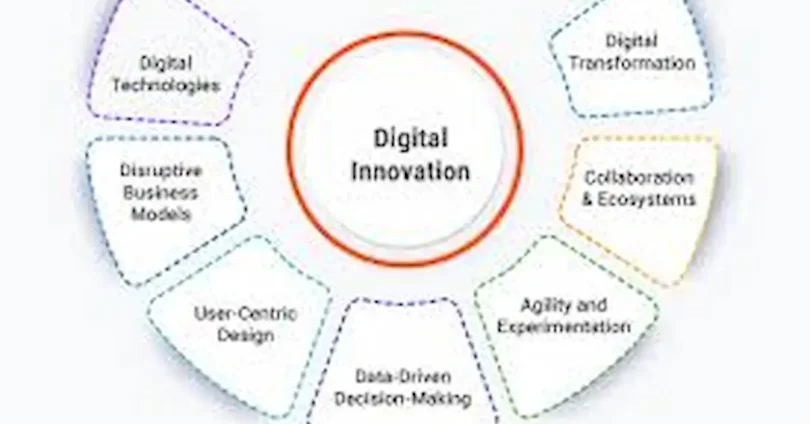

Digital innovation in education is transforming the way students learn and teachers teach. With the help of technology, learning is no longer limited to classrooms or textbooks. Online platforms, smart devices, and virtual classrooms are creating new opportunities for interactive and flexible education. This shift makes learning easier, faster, and more engaging, while also preparing students with the digital skills they need for the future. By understanding digital innovation, we can see how it is making education more accessible and effective for everyone.
What is Digital Innovation in Education?
Digital innovation in education is the use of modern technology and creative methods to improve how teaching and learning take place. It is not just about using computers or the internet, but about creating smarter, more flexible, and personalized ways for students to learn.
This innovation includes tools such as online learning platforms, digital libraries, smart devices, educational apps, and artificial intelligence. For example, students can attend live virtual classes, watch recorded lessons, or use interactive apps to practice subjects at their own pace. Teachers can also track student progress easily and provide instant feedback.
The main purpose of digital innovation is to make education more effective, accessible, and engaging. Instead of the traditional one-size-fits-all method, it allows students to learn according to their own needs, abilities, and interests. It also helps teachers use new methods that make lessons more interactive and practical.
Importance of Digital Innovation in Education
Digital innovation in education is not just a trend; it is becoming a necessity in today’s fast-changing world. It brings new opportunities for students and teachers, making learning more effective and future-ready. Below are the main reasons why it is so important:
Better Access to Education
One of the biggest advantages of digital innovation is easy access to learning. Students can attend classes online, watch recorded lectures, or use apps and websites to study from home. This is especially helpful for learners in remote areas or those who cannot join traditional schools. Education becomes flexible, available anytime, and open to more people.
Keeps Students Engaged and Motivated
Digital tools make learning more interactive and enjoyable. Instead of only listening to lectures, students can watch videos, join virtual activities, play educational games, and take part in online discussions. These methods keep learners interested and motivated, helping them understand topics in a better way.
Personalized Learning Experience
Every student has a different way of learning. Some understand quickly, while others need more time. With digital innovation, teachers can use apps and platforms to create customized lessons, provide instant feedback, and track student progress. This makes learning more personal and effective for each student.
Preparation for the Future
The future belongs to technology. Digital innovation in education helps students build important skills like problem-solving, digital literacy, and teamwork. These skills are in high demand in today’s job market. By using digital tools in classrooms, students get prepared for modern workplaces where technology is a daily part of life.
Better Support for Teachers
Digital tools are not only useful for students but also for teachers. Technology helps teachers design creative lessons, save time on grading, and easily share study materials. With more support from digital platforms, teachers can focus on guiding students and improving the overall learning experience.
you may also like to read these posts;
How to Use Online Learning Resources: A Complete How-To Guide
Why Learning Resources Are Important: Key Reasons Students Must Use Them
Top Learning Resources for Schools: Best Tools Ranked 2025
Digital Learning Resources vs Textbooks: Key Comparison
Types of Skills for Student Success: Key Skills Every Student Needs
Benefits of Digital Innovation in Education
Digital innovation is creating a big shift in how students learn and how teachers teach. It provides new opportunities that make education more inclusive, interactive, and practical. Here are the major benefits explained in detail:
Flexible Learning Anytime, Anywhere
One of the biggest benefits of digital innovation is flexibility. Students are no longer tied to fixed classroom hours. Online platforms, mobile apps, and recorded lectures allow them to study at a time that suits them best. For example, a student who works part-time can attend live online sessions or watch recorded classes later without missing out. This flexibility makes education accessible to everyone, regardless of location or schedule.
Personalized Education for Every Student
Not all students learn at the same speed. Some may understand concepts quickly, while others need more time. Digital innovation supports personalized learning through adaptive apps and learning management systems (LMS). For instance, platforms like Khan Academy adjust the level of questions based on student performance. This ensures that every learner gets the right amount of practice and support. what is digital innovation in education
Interactive and Engaging Lessons
Traditional lessons can sometimes feel boring and passive. With digital innovation, classes become more interactive and fun. Videos, simulations, games, and virtual labs give students a hands-on experience. For example, a history lesson can use 3D tours of historical sites, or a science class can use virtual reality to explore space. These tools spark curiosity and improve understanding. what is digital innovation in education
Better Collaboration and Communication
Digital tools break down barriers between teachers and students. Platforms like Google Classroom or Microsoft Teams make it easier to share assignments, work on group projects, and communicate instantly. Even students from different countries can collaborate on the same project, which builds teamwork and global connections. what is digital innovation in education
Instant Feedback and Progress Tracking
In the past, students had to wait days or weeks to know their test results. Now, online quizzes and digital assignments provide instant feedback. Teachers can track student progress in real-time and quickly identify areas where extra help is needed. This makes the learning process more efficient and supportive. what is digital innovation in education
Cost-Effective and Eco-Friendly
Digital resources like e-books, PDFs, and online libraries reduce the need for printed books and physical materials. This lowers costs for both schools and students while also saving paper. For example, instead of buying multiple textbooks, students can access a digital library with thousands of books and research articles for free or at a low cost. what is digital innovation in education
Prepares Students for the Future
Modern workplaces rely heavily on technology. By using digital tools during their studies, students gain important digital skills such as online communication, problem-solving with technology, and teamwork in virtual environments. These skills make them better prepared for future careers. what is digital innovation in education
Examples of Digital Innovation in Education
Digital innovation in education can be seen in many forms. From online learning platforms to advanced technologies like artificial intelligence, these tools are making education smarter, faster, and more engaging. Here are some detailed examples:
E-learning platforms
Websites and mobile apps such as Coursera, Udemy, Khan Academy, and EdX give students access to thousands of courses from around the world. These platforms allow learners to study at their own pace, watch recorded lectures, practice with exercises, and even earn certificates. This makes quality education available to anyone with an internet connection. what is digital innovation in education
Virtual classrooms
Platforms like Zoom, Google Classroom, and Microsoft Teams allow teachers and students to connect online. They make it possible to attend live classes, share files, give assignments, and participate in discussions. Virtual classrooms are especially useful for distance learning and allow students to continue their studies without being physically present in school. what is digital innovation in education
Smart devices and classroom technology
Devices such as tablets, laptops, interactive whiteboards, and projectors have made classrooms more modern and interactive. For example, teachers can use an interactive whiteboard to explain science experiments step by step, while students can take notes or access e-books on their tablets. This makes lessons more engaging and practical. what is digital innovation in education
Virtual reality (VR) and augmented reality (AR)
These technologies bring subjects to life in a way that books cannot. For example, students can explore the solar system through a VR headset or use AR apps to view 3D models of the human body in biology class. Tools like Google Expeditions allow students to take virtual field trips, giving them experiences they might not have in real life. what is digital innovation in education
Artificial intelligence (AI) in education
AI is being used to make learning more personalized. Some platforms create study plans based on a student’s strengths and weaknesses, while AI chatbots can answer questions instantly. For example, Duolingo uses AI to adjust language lessons depending on how quickly a student is learning. AI is also helping teachers by grading assignments and providing feedback faster.
Digital libraries and online resources
Instead of relying only on physical books, students now have access to digital libraries and online journals. With just a few clicks, they can find e-books, research papers, and study guides. This saves time, reduces costs, and ensures that students have access to the latest knowledge. what is digital innovation in education
Gamification in learning
Many educational apps and platforms use games to make studying fun. Apps like Kahoot and Quizizz let teachers create interactive quizzes where students can compete with each other in real-time. This keeps students motivated and makes learning feel less like work and more like play. what is digital innovation in education
Challenges of Digital Innovation in Education
Digital innovation has opened many doors for education, but it also comes with challenges that must be carefully managed. If these issues are not addressed, they can create barriers instead of opportunities. Below are the main challenges explained in detail:
Limited access to technology
One of the biggest problems is that not every student has the same access to devices and internet connectivity. While students in big cities may have laptops, smartphones, and high-speed internet, many learners in rural areas struggle with poor connections or no access at all. This digital divide makes education unequal, as some students enjoy the benefits of digital tools while others are left behind. what is digital innovation in education
Lack of teacher training and support
Introducing technology into classrooms is not enough if teachers are not properly trained. Many educators still rely on traditional teaching methods and may find it difficult to use advanced tools like online platforms, virtual reality, or artificial intelligence. Without ongoing training and support, teachers cannot fully use these innovations, and students miss out on their benefits.
High cost of digital tools
Smart devices, software licenses, and modern infrastructure are expensive. Schools may struggle to provide tablets or computers for all students, and families might not be able to afford them either. Advanced technologies like VR headsets or AI-based platforms are even more costly, making it harder for poorer institutions to keep up. what is digital innovation in education
Too much screen time and health concerns
Spending long hours in front of screens can negatively affect students’ physical and mental health. Problems such as eye strain, sleep disruption, neck and back pain, and reduced physical activity are common. In addition, constant exposure to screens can lead to distractions from social media or gaming, reducing concentration on studies. what is digital innovation in education
Cybersecurity and privacy risks
Digital platforms require personal information such as names, emails, and even payment details. Without strong security, this data can be exposed to hackers or misused. Cyberbullying, online scams, and unsafe websites are other risks that students may face. Schools must focus on building awareness and creating secure online environments. what is digital innovation in education
Unequal digital skills among students
Not all students are equally skilled in using technology. Some are quick learners who easily adapt to new tools, while others may feel confused and frustrated. This gap can lower the confidence of less tech-savvy students and affect their performance compared to their peers. what is digital innovation in education
Dependence on technology
Another challenge is that students may become too dependent on digital tools. For example, they might rely only on online notes instead of practicing writing, or they may use AI-based apps for homework instead of learning independently. Over-dependence can reduce creativity, problem-solving skills, and face-to-face communication abilities. what is digital innovation in education
Technical issues and interruptions
Even with access to technology, technical problems like poor internet, software errors, or device breakdowns can disrupt the learning process. For example, a student may miss an important live class because of a sudden internet outage, or a teacher may face issues while uploading assignments. what is digital innovation in education
Tips for Using Digital Innovation Effectively
Digital innovation can transform education, but it must be used wisely to bring the best results. Both students and teachers should focus on balance, safety, and creativity when using digital tools. Here are detailed tips to use technology in education effectively:
Balance screen time with offline learning
Spending long hours in front of screens can affect health, so it is important to create a balance. Students should take short breaks after every 30–40 minutes of screen use to rest their eyes and stretch their bodies. Schools can also include activities like reading physical books, group discussions, or outdoor projects to reduce dependence on digital devices. what is digital innovation in education
Provide equal access to technology
Not every student has the same resources, which creates inequality. Schools, governments, and organizations can help by providing free or low-cost devices, affordable internet packages, or community digital learning centers. For example, some schools create computer labs where students without personal devices can still practice digital learning. what is digital innovation in education
Train teachers regularly
Teachers play the most important role in digital education. Regular training sessions, workshops, and online certifications can help them stay updated with the latest tools. For instance, teachers can learn how to create engaging slides, use online grading systems, or design interactive activities with apps. This makes teaching more effective and enjoyable. what is digital innovation in education
Encourage interactive and engaging learning
Digital tools should be used to make lessons more practical and fun. Instead of one-way lectures, teachers can add interactive quizzes, polls, and group discussions. For example, using Kahoot or Quizizz can turn a revision session into a game where students compete with each other. This keeps learners motivated and active. what is digital innovation in education
Focus on cybersecurity and online safety
Students must be guided on how to stay safe online. They should learn to avoid sharing personal information, use strong passwords, and identify unsafe websites. Schools should also invest in secure platforms that protect student data. Creating awareness about cyberbullying and online scams is equally important. what is digital innovation in education
Support students with different digital skill levels
Some students may be very comfortable with technology, while others may struggle. To ensure fairness, teachers can provide step-by-step guides, simple video tutorials, and extra support for beginners. Schools can also create peer-learning programs where tech-savvy students help classmates who are less experienced. what is digital innovation in education
Use technology as a support, not a replacement
Digital tools should not replace traditional learning completely. Writing, critical thinking, face-to-face discussions, and problem-solving without gadgets are still important skills. The best results come from combining traditional methods with digital tools. For example, students can research online but present their findings in handwritten notes or group discussions.
Regularly update and maintain tools
Technical problems can cause frustration during online learning. Schools and institutions should keep software updated, maintain devices, and provide strong internet connections. Students should also learn basic troubleshooting skills, such as reconnecting to Wi-Fi or restarting apps, to avoid interruptions during classes. what is digital innovation in education
Involve parents and guardians
For younger students, parents play an important role in digital learning. They can help children set up devices, monitor screen time, and guide them on safe internet use. Involving parents creates a stronger support system for students and improves overall learning outcomes. what is digital innovation in education
Promote creativity and problem-solving
Technology should not only be used for memorizing lessons but also for developing creativity. Students can make digital presentations, design posters, or create short videos about what they have learned. These activities improve communication skills and make learning more practical and enjoyable. what is digital innovation in education
Future of Digital Innovation in Education
The future of education is being shaped by rapid technological growth. As digital innovation continues to advance, classrooms will become smarter, more inclusive, and more connected to the real world. Here are some major trends and possibilities that highlight how the future of learning may look:
Artificial intelligence for personalized learning
Artificial intelligence will make education more tailored to individual needs. Instead of following the same curriculum at the same pace, students will receive lessons and practice exercises designed specifically for their abilities. AI can identify areas where a student struggles and offer extra help, while also giving advanced learners more challenging activities. This kind of personalized approach will ensure that no student is left behind. what is digital innovation in education
Virtual and augmented reality experiences
Virtual reality (VR) and augmented reality (AR) will become common in classrooms. These tools will make learning more practical and interactive. For example, students can take a virtual trip to the Great Wall of China in a history lesson, or they can explore the inside of the human body in 3D during a biology class. These immersive experiences will replace rote memorization with real-world exploration. what is digital innovation in education
Global online classrooms
Education will no longer be limited by geography. With powerful online platforms, students from different countries will be able to study together, exchange ideas, and work on international projects. Imagine a group of students from Asia, Europe, and Africa solving a science project together in real-time. This will promote cultural exchange, teamwork, and global problem-solving skills.
Skills-based and practical learning
The future of education will focus less on memorizing facts and more on developing practical skills. Digital tools will make it easier to practice coding, digital design, communication, critical thinking, and problem-solving. For example, online simulations can teach engineering skills, while digital labs can allow students to experiment safely with chemistry. This skills-based approach will prepare learners for real-world jobs. what is digital innovation in education
AI tutors and chatbots
Artificial tutors will provide round-the-clock support. Students will not have to wait for classroom hours to ask questions. AI chatbots will be available 24/7 to explain concepts, solve doubts, and provide extra practice. This will ensure that learning continues even outside school hours. what is digital innovation in education
Data-driven decision making
In the future, schools will use digital tools to collect and analyze learning data, such as attendance, test scores, and engagement levels. Teachers will then use this information to improve lessons and teaching methods. For example, if data shows that students find a particular topic difficult, teachers can redesign lessons or provide extra support. what is digital innovation in education
Lifelong learning opportunities
Education will not stop after graduation. With the rise of online platforms, people will continue learning new skills throughout their careers. Professionals can update their knowledge anytime by enrolling in short online courses. Lifelong learning will become normal, helping people stay competitive in a fast-changing world. what is digital innovation in education
Eco-friendly learning solutions
Digital education also supports sustainability. As schools adopt e-books, online libraries, and digital notes, the use of printed textbooks and paper will reduce. This will not only cut costs but also help protect the environment. In the future, classrooms may rely almost fully on smart devices instead of heavy paper-based resources. what is digital innovation in education
Inclusive and accessible education
Technology will make learning more inclusive for students with disabilities. For example, speech-to-text software can help hearing-impaired students, while screen readers support visually impaired learners. Digital innovation ensures that education is not only modern but also fair and accessible for all. what is digital innovation in education
What does digital innovation in education mean?
Digital innovation in education means using modern technologies like online platforms, apps, artificial intelligence, and virtual classrooms to improve teaching and learning. It makes learning more interactive, flexible, and accessible.
Why is digital innovation important in education?
It helps students learn in better ways by offering personalized lessons, interactive tools, and global access to knowledge. Teachers can also use it to save time, track progress, and create engaging lessons.
What are some examples of digital innovation in education?
Examples include e-learning platforms like Coursera and Khan Academy, virtual reality field trips, online quizzes, smartboards, AI-based learning apps, and digital libraries.
How does digital innovation help teachers?
It provides teachers with new teaching methods, online tools for lesson planning, automatic grading systems, and platforms to connect with students easily. This makes teaching more efficient and creative.
Can digital innovation replace traditional education?
No, it cannot fully replace traditional methods. Instead, it works best when combined with face-to-face teaching. Both approaches together create a balanced and effective learning experience.
Conclusion
Digital innovation in education is changing the way students learn and teachers teach. It brings new opportunities through online platforms, virtual classrooms, and advanced tools like AI and VR. These innovations make education more engaging, personalized, and accessible for learners everywhere.
While technology cannot replace traditional teaching completely, it adds powerful support that improves the quality of learning. The future of education will be shaped by smart tools, global connections, and lifelong learning opportunities. By using digital innovation wisely and responsibly, schools, teachers, and students can create a stronger and more effective learning environment.