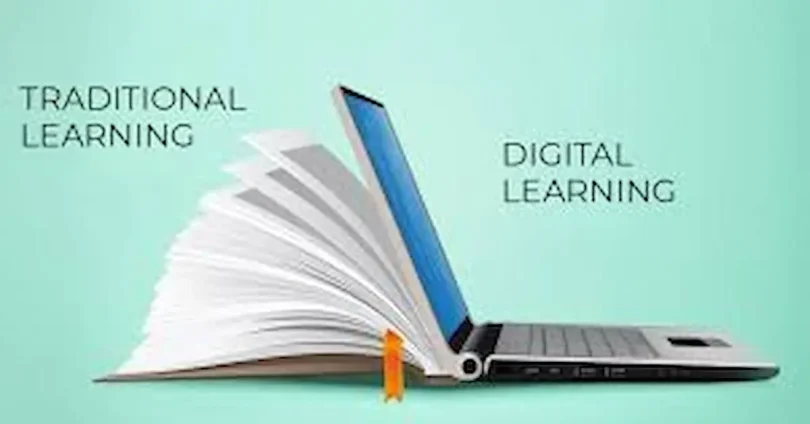

digital innovation vs traditional learning is evolving faster than ever, thanks to digital innovation. From online courses and virtual classrooms to interactive apps and AI tools, technology is changing how students learn. At the same time, traditional learning methods—like in-person classes, textbooks, and face-to-face teacher guidance—remain important for building discipline and social skills.
Understanding the differences between digital innovation and traditional learning can help students, teachers, and parents make better choices about how to approach education. In this article, we will explore the benefits, challenges, and future of both learning methods, so you can see how technology and tradition can work together to create the best learning experience.
What is Traditional Learning?
Traditional learning is the conventional way of teaching that has been used for centuries. It usually takes place in a classroom, with a teacher guiding students through lessons, textbooks, and assignments. This method focuses on face-to-face interaction, structured schedules, and hands-on activities.
One of the main advantages of traditional learning is the personal connection between teachers and students. Students can ask questions directly, get immediate feedback, and participate in group discussions or activities. This approach also helps develop social skills, discipline, and a routine that supports consistent learning.
However, traditional learning can sometimes be rigid. It may not easily adapt to different learning styles, and access to resources can be limited to what the school or teacher provides. Additionally, students may need to travel to classrooms, which can be time-consuming and less flexible than digital learning options.
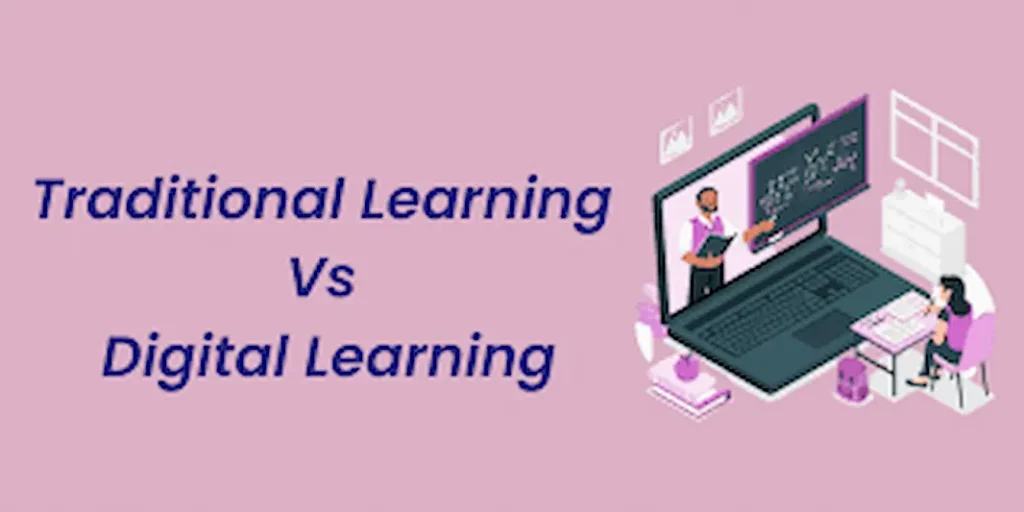
Key Differences Between digital innovation vs traditional learning
1. Accessibility
Digital learning makes education accessible from anywhere in the world. For example, a student in a small town can take an online course offered by a top university without traveling. Traditional learning requires students to attend classes physically, which can be challenging for those living far from schools or universities. Accessibility also impacts learners with disabilities, as digital tools can provide assistive technologies that traditional classrooms may lack.
2. Flexibility
One of the most significant benefits of digital innovation is flexibility. Students can learn at their own pace, pause lessons when needed, or revisit difficult topics. They can even choose the time of day that suits them best for studying. Traditional learning, by contrast, follows a fixed timetable, and students must adapt to the classroom schedule. This can make learning less personalized and sometimes stressful for students with different learning speeds.
3. Engagement
Digital tools often use videos, interactive quizzes, simulations, and gamification to make learning more engaging. For instance, a science student can explore a virtual lab experiment online rather than just reading about it in a textbook. Traditional learning relies on in-person interaction, group discussions, and hands-on activities like lab experiments or projects. While traditional methods are effective for social learning, they may not always capture the interest of every student.
4. Resources
Digital innovation gives students access to a wide variety of learning materials. Online platforms, e-books, research databases, and AI tutors provide almost limitless resources. Students can explore multiple perspectives on a topic and even connect with experts worldwide. Traditional learning relies heavily on textbooks, printed notes, and what the teacher provides in class. While textbooks are structured, they may not cover topics as extensively as online resources.
5. Social Skills
Traditional learning encourages face-to-face interaction, group activities, and collaboration. Students develop communication, teamwork, and problem-solving skills naturally through classroom discussions and group projects. Digital learning, although interactive, often lacks real-world social interactions. Some online courses include discussion boards or video calls, but they may not fully replicate the social experience of a physical classroom.
6. Cost and Convenience
Digital learning can often be more cost-effective. Online courses sometimes cost less than traditional education and save money on commuting, housing, and materials. Traditional learning may involve higher tuition fees, transportation costs, and additional expenses like printed books and lab equipment. However, traditional learning provides structure and discipline that can sometimes justify the higher cost.
7. Adaptability to Learning Styles
Digital learning caters to different learning styles—visual, auditory, and kinesthetic—through multimedia content, audio lessons, and interactive simulations. Students can choose methods that suit them best. Traditional learning can struggle to adapt to every learning style since the teacher usually follows a standard teaching approach for the whole class.
Challenges of Both Approaches
1. Challenges of Traditional Learning
Traditional learning has many advantages, but it also comes with some limitations that can affect students’ overall experience.
- Limited Flexibility: Students must follow fixed schedules and class timings. This can be challenging for learners who need to study at their own pace or balance education with other responsibilities.
- Resource Constraints: Classrooms often rely on textbooks, printed materials, and teacher-provided notes. This can limit access to updated information, diverse perspectives, or supplementary resources that could enhance learning.
- Geographical Barriers: Students living in remote areas or far from educational institutions may struggle with attendance, leading to missed lessons or opportunities.
- Adaptability Issues: Traditional methods usually follow a standardized approach, which may not cater to all learning styles. Students with unique learning needs or preferences might find it harder to keep up.
2. Challenges of Digital Learning
Digital learning brings convenience and innovation, but it also has challenges that need to be considered.
- Lack of Personal Interaction: Online courses often lack face-to-face contact with teachers and classmates. This can make students feel isolated and reduce opportunities for discussion, debate, and networking.
- Distractions and Motivation: Learning online requires self-discipline. Students may get easily distracted by social media, games, or other websites, which can affect focus and learning outcomes.
- Digital Divide: Not all students have reliable internet access or devices. Those without digital literacy skills or proper technology may fall behind, limiting the reach of digital learning.
- Screen Fatigue: Long hours of studying on computers, tablets, or smartphones can lead to eye strain, headaches, and fatigue, impacting students’ health and concentration.
- Limited Hands-On Experience: Certain subjects like science labs, art, or physical activities are difficult to replicate fully online. Students may miss out on practical, hands-on learning experiences.
3. Why a Balanced Approach is Important
Both traditional and digital learning have strengths and weaknesses. Traditional learning excels in personal interaction, discipline, and hands-on activities, while digital learning provides flexibility, accessibility, and innovative learning tools.
By combining the two methods—through blended or hybrid learning—students can enjoy the best of both worlds. For example:
- Using online resources to supplement classroom teaching.
- Watching video tutorials to reinforce lessons learned in class.
- Participating in online discussion forums while attending in-person group projects.
A balanced approach ensures students develop not only academic knowledge but also social skills, critical thinking, and technological literacy—preparing them for the demands of the modern world.
you may also like to read these posts;
Types of Learning Resources for Students: A Complete Guide
How to Use Online Learning Resources: A Complete How-To Guide
Why Learning Resources Are Important: Key Reasons Students Must Use Them
Top Learning Resources for Schools: Best Tools Ranked 2025
Digital Learning Resources vs Textbooks: Key Comparison
Combining Both: The Hybrid Learning Approach
What is Hybrid Learning?
Hybrid learning, also called blended learning, is an educational approach that merges traditional classroom methods with digital innovation. Instead of relying solely on in-person lessons or online courses, students benefit from a mix of both. This combination creates a more flexible, engaging, and personalized learning experience.
By integrating technology with classroom teaching, hybrid learning allows students to access online lectures, videos, quizzes, and interactive content while still participating in hands-on activities, group projects, and face-to-face discussions.
Benefits of Hybrid Learning
- Flexibility with Structure: Hybrid learning gives students the best of both worlds. They can attend physical classes for activities that require collaboration or hands-on practice while studying theory or revisiting lessons online at their own pace.
- Personalized Learning: Digital tools in hybrid learning allow students to track progress, identify weak areas, and access content tailored to their learning style. For example, visual learners can watch videos, while auditory learners can listen to podcasts or audio lessons.
- Enhanced Engagement: By combining multimedia online content with interactive classroom sessions, students stay engaged throughout the learning process. Gamified online exercises, virtual simulations, and quizzes complement in-person discussions and experiments.
- Access to More Resources: Hybrid learning gives students access to both traditional textbooks and digital materials, such as e-books, online research papers, and video tutorials. This makes learning more comprehensive and resource-rich.
- Skill Development: Beyond academic knowledge, hybrid learning teaches essential life skills such as digital literacy, time management, self-discipline, and collaboration. Students learn to balance online self-study with classroom participation.
- Global Collaboration Opportunities: Online components allow students to connect with peers, educators, and experts worldwide. Group projects can include participants from different countries, fostering cross-cultural understanding and communication skills.
Examples of Hybrid Learning in Practice
- Schools providing online platforms where students submit homework, participate in quizzes, or watch lessons at home, while in-person classes focus on discussions, labs, and projects.
- Universities offering virtual science labs, simulations, or coding exercises alongside traditional experiments or practical classes.
- Teachers using online discussion forums to continue classroom debates and problem-solving exercises outside school hours.
- Corporate training programs combining in-person workshops with online modules and webinars.
Why Hybrid Learning is the Future
Hybrid learning is becoming increasingly important as education evolves. It combines the strengths of both traditional and digital learning while minimizing their weaknesses.
- Students gain flexibility without losing structure. digital innovation vs traditional learning
- They access modern learning tools while maintaining essential social interaction.
- Schools and universities can provide more inclusive education, reaching students who cannot attend in-person classes full-time.
By blending technology with traditional methods, hybrid learning ensures that students are prepared for modern careers, digital environments, and lifelong learning. It represents the future of education—a system that is adaptable, engaging, and effective.
Tips for Students and Educators
1. Tips for Students
- Find Your Learning Style: Every student has a unique way of learning. Some prefer reading textbooks, while others benefit from videos, podcasts, or interactive online tools. Identify what works best for you and combine both digital and traditional resources to maximize understanding. digital innovation vs traditional learning
- Stay Organized: Keep track of assignments, deadlines, and study schedules. Use digital tools like Google Calendar, Trello, or Notion to plan your tasks, or stick to a simple notebook if you prefer offline organization. Staying organized helps avoid last-minute stress and ensures consistent progress. digital innovation vs traditional learning
- Set Clear Goals: Break down larger learning objectives into smaller, achievable tasks. For example, aim to complete one chapter per week or master a particular concept before moving on. Small, measurable goals keep you motivated and help track progress. digital innovation vs traditional learning
- Limit Distractions: Online learning can be tempting with social media, games, or videos. Create a distraction-free study environment by turning off notifications, using focus apps, or dedicating a specific time and space for study.
- Engage Actively: Don’t just passively read or watch lessons. Ask questions, participate in discussions, join group projects, and use forums or chat groups to interact with peers. Active engagement improves understanding and retention.
- Balance Screen Time: Spending long hours on devices can cause fatigue and reduce concentration. Take regular breaks, stretch, and spend some time on offline activities like reading, drawing, or practicing hands-on experiments.
- Seek Help When Needed: Don’t hesitate to ask teachers, mentors, or peers for clarification. Online platforms often offer Q&A sections or tutoring support—make use of them to overcome challenges. digital innovation vs traditional learning
- Combine Resources: Use both traditional and digital resources. For example, read a textbook for theory, then watch an online tutorial or simulation to see the concept in action. digital innovation vs traditional learning
2. Tips for Educators
- Blend Methods Effectively: Combine traditional teaching with digital tools. Use in-person sessions for discussions, labs, or group activities, and online platforms for homework, quizzes, or supplementary lessons. This approach ensures all students benefit from multiple learning methods. digital innovation vs traditional learning
- Provide Clear Instructions: Make sure students understand how to use digital platforms, submit assignments, and access learning materials. Clear instructions reduce confusion and increase engagement. digital innovation vs traditional learning
- Encourage Interaction: Promote both in-person and online interaction. Group discussions, collaborative projects, and online forums help students develop communication, teamwork, and problem-solving skills. digital innovation vs traditional learning
- Use Multimedia Tools: Incorporate videos, animations, simulations, and interactive exercises to make lessons engaging and easier to understand. Visual and interactive content can help explain complex concepts effectively. digital innovation vs traditional learning
- Monitor Student Progress: Digital tools often provide analytics to track student performance. Identify students who need additional support and offer targeted help to ensure no one falls behind. digital innovation vs traditional learning
- Be Flexible and Adaptable: Recognize that students have different learning styles and needs. Adjust teaching methods accordingly, using a mix of digital and traditional approaches to reach every learner. digital innovation vs traditional learning
- Encourage Self-Learning: Motivate students to explore topics independently using online resources or library materials. This develops critical thinking, curiosity, and lifelong learning habits. digital innovation vs traditional learning
- Foster a Positive Learning Environment: Whether online or offline, create a supportive atmosphere where students feel comfortable asking questions, making mistakes, and expressing ideas. A positive environment enhances engagement and learning outcomes. digital innovation vs traditional learning
- Keep Updating Skills: Educators should stay updated with new teaching technologies and digital tools. Learning new platforms, apps, or methods helps improve teaching quality and keeps lessons relevant. digital innovation vs traditional learning
Advantages of Digital Innovation and Traditional Learning

1. Advantages of Digital Innovation in Learning
- Accessibility Anytime, Anywhere: Students can access lessons, resources, and assignments from any location, making learning possible even outside the classroom. digital innovation vs traditional learning
- Flexible Learning Pace: Digital platforms allow students to learn at their own speed. They can pause, rewind, or repeat lessons to fully understand concepts. digital innovation vs traditional learning
- Personalized Learning: Online tools can adapt to each student’s needs, providing targeted exercises, quizzes, and content suited to individual learning styles.
- Interactive and Engaging: Multimedia content, virtual simulations, gamified exercises, and quizzes make learning more interactive and enjoyable.digital innovation vs traditional learning
- Global Collaboration: Students can connect with peers, educators, and experts worldwide through online forums, video calls, and collaborative projects. digital innovation vs traditional learning
- Resource-Rich Environment: Online libraries, video tutorials, e-books, and AI tools provide more learning materials than traditional classrooms. digital innovation vs traditional learning
- Cost and Convenience: Digital learning can be more affordable and eliminates commuting or relocation costs for students.
2. Advantages of Traditional Learning
- Face-to-Face Interaction: Students benefit from direct communication with teachers and peers, which helps in asking questions and receiving immediate feedback. digital innovation vs traditional learning
- Structured Learning Environment: Traditional classrooms offer schedules, routines, and discipline that help students stay focused and organized.
- Hands-On Experience: Practical experiments, group projects, and real-world activities are easier to conduct in person. digital innovation vs traditional learning
- Social Skill Development: Working in groups, participating in discussions, and engaging with peers develop communication, teamwork, and leadership skills. digital innovation vs traditional learning
- Immediate Guidance and Support: Teachers can quickly identify struggling students and provide personalized assistance during class. digital innovation vs traditional learning
- Motivation and Accountability: Being in a classroom with peers encourages regular attendance, active participation, and accountability for learning. digital innovation vs traditional learning
3. Combined Advantages in Hybrid Learning
- Best of Both Worlds: Students benefit from structured, in-person learning while enjoying the flexibility and resources of digital platforms. digital innovation vs traditional learning
- Balanced Skill Development: Hybrid learning helps students improve both academic knowledge and essential life skills like digital literacy, time management, and collaboration. digital innovation vs traditional learning
- Greater Engagement and Motivation: Using a mix of multimedia online content and interactive classroom activities keeps students interested and motivated. digital innovation vs traditional learning
- Personalized Support: Teachers can track students’ progress online while providing direct support in the classroom, ensuring no one is left behind. digital innovation vs traditional learning
Is digital learning better than traditional learning?
Digital learning offers flexibility, accessibility, and personalized learning, while traditional learning provides face-to-face interaction, discipline, and hands-on experiences. Neither is strictly better; the most effective approach often combines both.
Can traditional learning survive in the digital age?
Yes. Traditional learning still plays a vital role in building social skills, discipline, and hands-on experience. Many schools and universities now integrate digital tools to enhance traditional methods rather than replace them.
What is hybrid learning?
Hybrid learning, also called blended learning, combines traditional classroom teaching with digital learning tools. Students benefit from both in-person guidance and online resources, making education more flexible and engaging.
How can students balance digital and traditional learning?
Students can create a study schedule, use online resources to supplement classroom lessons, actively participate in both settings, and set clear goals. Balancing time and engagement in both methods helps maximize learning outcomes.
What are the challenges of digital learning?
Challenges include lack of personal interaction, distractions from devices, reliance on internet and technology, screen fatigue, and limited hands-on experiences for certain subjects.
Conclusion
Education is evolving, and both digital innovation and traditional learning play important roles in shaping how students gain knowledge. Traditional learning offers structured schedules, face-to-face interaction, hands-on experiences, and opportunities to develop social skills. On the other hand, digital learning provides flexibility, accessibility, personalized lessons, and a wealth of online resources that allow students to learn at their own pace.
The most effective approach is not choosing one over the other but combining the strengths of both. Hybrid learning, which integrates classroom teaching with digital tools, ensures students benefit from interactive, engaging, and flexible education while still developing discipline, collaboration, and critical thinking skills.
By embracing both traditional and digital methods, students and educators can create a learning environment that is adaptive, inclusive, and future-ready. Whether in classrooms, online platforms, or a blend of both, education today is about providing opportunities for every learner to succeed in a modern, technology-driven world.