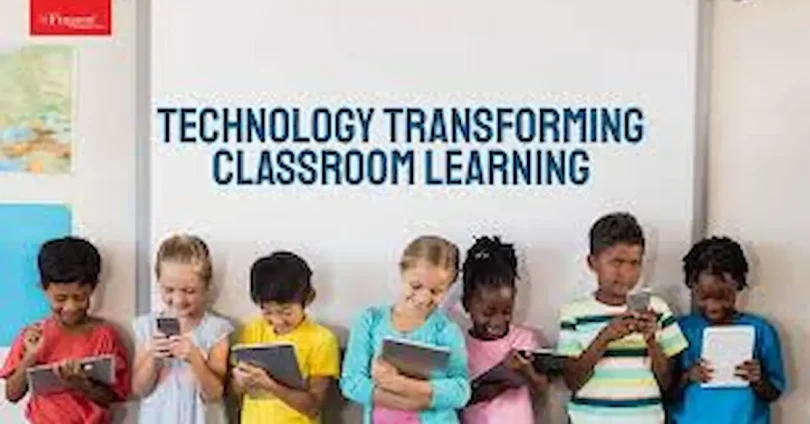

Technology is transforming every aspect of our lives, and education is no exception. Traditional classrooms with chalkboards and textbooks are gradually being replaced by modern learning environments powered by digital tools. Today, students and teachers have access to innovative technologies that make lessons more interactive, engaging, and effective.
From virtual reality experiences that bring lessons to life to smart classroom tools that simplify teaching, these innovations are changing the way students learn and teachers teach. In this article, we will explore the top digital innovations in classrooms that are shaping the future of education and making learning more exciting for everyone.
1. Interactive Whiteboards (top digital innovations in classrooms)
Interactive whiteboards are modern versions of traditional chalkboards, but much more advanced. They allow teachers to display dynamic content, write or draw directly on the board, and even use multimedia like videos, images, and animations during lessons.
Students can also interact with the board by solving problems, answering questions, or participating in group activities. This makes learning more engaging and helps students understand concepts better.
Benefits of interactive whiteboards include:
- Making lessons more visual and interactive
- Encouraging student participation
- Simplifying complex topics with multimedia content
By replacing static teaching methods with interactive tools, these whiteboards are transforming classrooms into more engaging and collaborative learning spaces.
2. Virtual Reality (VR) and Augmented Reality (AR)
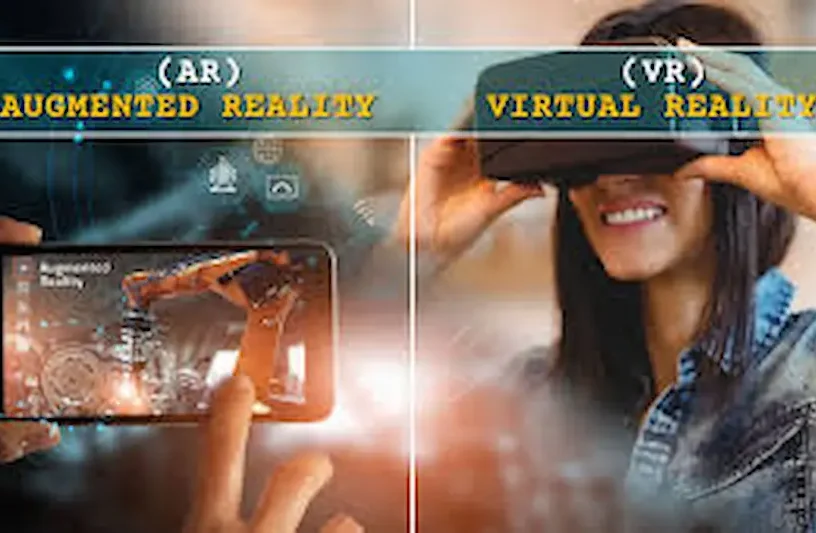
What is VR and AR?
Virtual Reality (VR) creates a fully immersive digital environment where students can explore and interact as if they are physically present. Augmented Reality (AR), on the other hand, overlays digital elements like images, animations, or 3D models onto the real world, enhancing what students see around them. Both technologies are revolutionizing the way students learn by making lessons interactive and memorable.
How VR and AR Are Used in Classrooms
- Virtual Field Trips: Students can visit historical landmarks, museums, or distant countries without leaving the classroom. For example, exploring the pyramids of Egypt or walking through the streets of ancient Rome.
- Science and Math Simulations: VR allows students to safely conduct experiments or visualize complex processes, like chemical reactions or the human circulatory system, in 3D.
- Interactive Learning Materials: AR can transform textbooks and worksheets into interactive experiences. Scanning a page with a device can reveal 3D models, videos, or animations to explain difficult concepts.
Benefits of VR and AR in Education
- Enhanced Engagement: Lessons become more exciting and immersive, keeping students motivated and attentive.
- Better Understanding: Complex topics are easier to understand when students can visualize and interact with them.
- Encourages Creativity: Students can explore, experiment, and learn through hands-on experiences that stimulate imagination.
- Safe Learning Environment: VR simulations allow students to perform experiments or explore dangerous situations without real-world risks.
The Future of VR and AR in Classrooms
As technology advances, VR and AR tools are becoming more affordable and accessible for schools. They are not only enhancing traditional learning but also preparing students for a digital future where technology and innovation play a central role. Teachers can integrate these tools into their lesson plans to make education more interactive, engaging, and effective.
3. Learning Management Systems (LMS)
What is a Learning Management System?
A Learning Management System (LMS) is a digital platform that helps teachers organize, deliver, and manage educational content. Popular LMS platforms include Google Classroom, Canvas, and Moodle. These systems allow teachers to create courses, assign homework, track student progress, and communicate with students all in one place.
How LMS is Used in Classrooms
- Organizing Lessons and Assignments: Teachers can upload lesson materials, videos, quizzes, and assignments, making it easy for students to access everything from one platform.
- Tracking Progress: LMS platforms help teachers monitor student performance through grades, progress reports, and analytics.
- Facilitating Communication: Teachers and students can easily interact through messages, announcements, or discussion boards.
- Personalized Learning: Some LMS platforms offer adaptive learning features, providing students with customized exercises based on their learning pace and level.
Benefits of Using LMS
- Better Organization: All course materials, assignments, and communication are stored in one place.
- Enhanced Learning Experience: Students can learn at their own pace, revisit lessons, and access resources anytime.
- Time-Saving for Teachers: Automated grading and progress tracking reduce repetitive tasks, giving teachers more time to focus on teaching.
- Improved Collaboration: Students can participate in group projects, discussions, and peer reviews easily.
The Future of LMS in Education
As digital learning continues to grow, LMS platforms are becoming essential for modern classrooms. They make education more organized, interactive, and personalized. Schools that integrate LMS technology create an environment where both teachers and students can thrive and stay connected in the digital age.
5. Artificial Intelligence (AI) in Education
What is AI in Education?
Artificial Intelligence (AI) refers to computer systems that can perform tasks usually requiring human intelligence, such as analyzing data, learning patterns, or making decisions. In classrooms, AI is being used to enhance teaching and learning by providing personalized experiences, automating repetitive tasks, and offering insights that improve educational outcomes.
How AI is Used in Classrooms
- Personalized Learning: AI can analyze a student’s strengths and weaknesses and provide tailored exercises or resources that match their learning pace and level. This ensures that every student receives the support they need to succeed.
- Intelligent Tutoring Systems: AI-powered tutoring systems can guide students through complex topics, answer questions, and provide instant feedback, acting as a virtual teaching assistant.
- Automated Grading: AI tools can grade multiple-choice tests, essays, or assignments quickly and accurately, saving teachers time and reducing human error.
- Predictive Analytics: AI can predict which students might struggle with certain topics or assignments, allowing teachers to intervene early and provide additional support.
Benefits of AI in Education
- Enhanced Learning Experience: Students receive personalized guidance, making learning more effective and engaging.
- Time-Saving for Teachers: Automated grading and analytics allow teachers to focus more on teaching rather than administrative tasks.
- Improved Student Performance: AI identifies learning gaps and provides targeted support, helping students improve faster.
- Data-Driven Decisions: Teachers and schools can use AI insights to design better lesson plans, track progress, and improve overall educational strategies.
Examples of AI Tools in Classrooms
- Socratic by Google: Uses AI to help students solve homework problems by providing step-by-step explanations.
- DreamBox Learning: Adapts math lessons in real-time to match student progress.
- Gradescope: AI-assisted grading platform for faster and more accurate evaluation.
The Future of AI in Education
AI is gradually becoming an essential part of modern classrooms. As technology continues to advance, AI will further support teachers in delivering personalized education, streamline administrative work, and enhance the overall learning experience. The integration of AI ensures that classrooms are not just smart but also adaptive, helping every student reach their full potential.
you may also like to read these posts;
How to Use Online Learning Resources: A Complete How-To Guide
Why Learning Resources Are Important: Key Reasons Students Must Use Them
Top Learning Resources for Schools: Best Tools Ranked 2025
Digital Learning Resources vs Textbooks: Key Comparison
Types of Skills for Student Success: Key Skills Every Student Needs
7. Smart Classrooms and IoT
What Are Smart Classrooms?
Smart classrooms use technology and Internet of Things (IoT) devices to create a connected, interactive, and efficient learning environment. These classrooms go beyond traditional setups by integrating tools that help teachers monitor student engagement, manage resources, and enhance the overall learning experience.
How IoT and Smart Technologies Are Used in Classrooms
- Attendance Monitoring: IoT devices such as smart ID cards or biometric systems can automatically track student attendance, saving time and reducing manual errors.
- Environmental Controls: Smart sensors can adjust lighting, temperature, and air quality to ensure a comfortable learning environment that promotes concentration.
- Interactive Learning Tools: Smart projectors, digital displays, and connected devices allow teachers to present multimedia lessons and engage students interactively.
- Real-Time Data Tracking: IoT devices can monitor student participation, engagement levels, and even classroom behavior to help teachers adjust teaching strategies.
- Resource Management: Connected devices can help manage classroom resources efficiently, such as controlling projectors, computers, and even smart boards from a centralized system.
Benefits of Smart Classrooms and IoT
- Enhanced Student Engagement: Interactive and connected tools make learning more dynamic and interesting.
- Improved Efficiency: Automated attendance, data tracking, and resource management save time for teachers and administrators.
- Data-Driven Insights: Real-time analytics help teachers understand student behavior, participation, and learning patterns.
- Comfortable Learning Environment: Smart environmental controls ensure students remain focused and comfortable during lessons.
Examples of Smart Classroom Technologies
- Smart Boards: Interactive displays that allow students and teachers to collaborate directly on the board.
- IoT Sensors: Devices for monitoring attendance, classroom temperature, and student engagement.
- Connected Devices: Tablets, laptops, and projectors integrated into a digital ecosystem for seamless teaching.
The Future of Smart Classrooms
With the growing adoption of IoT and smart technologies, classrooms are becoming more intelligent and adaptive. These innovations not only improve the efficiency of teaching but also create a more engaging, interactive, and personalized learning experience for students. Smart classrooms are shaping the future of education by making learning more connected and data-driven.
9. Mobile Learning Apps
What Are Mobile Learning Apps?
Mobile learning apps are educational applications designed for smartphones and tablets, allowing students to learn anytime and anywhere. These apps cover a wide variety of subjects, from languages and math to science, coding, and creative skills. Mobile learning apps make education flexible, personalized, and interactive, helping students stay engaged outside the classroom.
How Mobile Learning Apps Are Used in Classrooms
- Self-Paced Learning: Students can revisit lessons, practice exercises, and study at their own pace. Apps adapt to each student’s level to provide customized learning experiences.
- Homework and Practice: Many apps offer quizzes, flashcards, and interactive exercises that help students reinforce classroom lessons.
- Language and Skill Development: Apps like Duolingo help students learn new languages, while others teach coding, music, or other essential skills.
- Collaboration and Communication: Some mobile learning apps allow students to work together on projects, share notes, and communicate with classmates and teachers online.
- Gamified Learning: Many apps use game-like elements, such as points, badges, and leaderboards, to make learning more enjoyable and motivating.
Benefits of Mobile Learning Apps
- Flexibility: Students can study anytime and anywhere, whether at home, during travel, or in school.
- Interactive Learning: Multimedia content, games, and quizzes make learning fun and engaging.
- Personalized Experience: Apps adapt lessons based on student performance and provide targeted exercises to improve weak areas. top digital innovations in classrooms
- Encourages Lifelong Learning: Students can explore topics beyond the classroom, fostering curiosity and self-driven learning. top digital innovations in classrooms
- Easy Tracking: Many apps allow teachers and students to monitor progress and performance over time.
Examples of Popular Mobile Learning Apps
- Duolingo: Offers gamified lessons for learning multiple languages. top digital innovations in classrooms
- Khan Academy: Provides free courses on math, science, history, and more. top digital innovations in classrooms
- BYJU’S: Offers interactive lessons, quizzes, and learning videos for school subjects. top digital innovations in classrooms
- Quizlet: Helps students memorize topics using flashcards, games, and practice tests. top digital innovations in classrooms
- Photomath: Helps students solve math problems step by step using the camera on their devices. top digital innovations in classrooms
The Future of Mobile Learning Apps
Mobile learning apps are becoming a vital part of modern education. With the integration of AI, AR, and VR technologies, these apps are evolving to provide more personalized, interactive, and immersive learning experiences. In the future, mobile apps will play a key role in shaping flexible education that adapts to the needs of every student. top digital innovations in classrooms
10. Cloud-Based Tools
What Are Cloud-Based Tools?
Cloud-based tools are online platforms that allow students and teachers to store, access, and share educational resources over the internet. Instead of relying on physical storage or local devices, cloud technology enables learning materials, assignments, and projects to be accessed from anywhere at any time.
How Cloud-Based Tools Are Used in Classrooms
- Storing Learning Materials: Teachers can upload lesson plans, presentations, and documents to the cloud, making them easily accessible to students. top digital innovations in classrooms
- Collaboration on Projects: Students can work together on shared documents or presentations in real-time, even if they are not in the same location. top digital innovations in classrooms
- Assignment Submission and Feedback: Students can submit assignments online, and teachers can provide instant feedback directly on the cloud platform. top digital innovations in classrooms
- Backup and Security: Important educational resources are securely stored in the cloud, reducing the risk of data loss due to hardware failure. top digital innovations in classrooms
Benefits of Cloud-Based Tools
- Accessibility: Students and teachers can access learning materials from any device with an internet connection.
- Collaboration: Real-time collaboration makes group projects and team activities more efficient. top digital innovations in classrooms
- Organization: All files and resources are stored in one place, making it easier to manage courses and lessons. top digital innovations in classrooms
- Time-Saving: Teachers can quickly share updates, assignments, and feedback without relying on physical paperwork. top digital innovations in classrooms
Examples of Cloud-Based Tools
- Google Drive and Google Workspace: For storing, sharing, and collaborating on documents, spreadsheets, and presentations. top digital innovations in classrooms
- Microsoft OneDrive: Cloud storage and collaboration for school projects and learning resources. top digital innovations in classrooms
- Dropbox: Easy file storage and sharing for educational materials. top digital innovations in classrooms
- Edmodo: Combines cloud storage with communication and assignment tools for classrooms.
The Future of Cloud-Based Tools in Education
Cloud-based tools are becoming essential in modern classrooms. As schools adopt digital learning, cloud technology ensures students and teachers can access resources anytime, collaborate efficiently, and stay organized. With more advanced features and integrations, cloud tools will continue to support a flexible, connected, and interactive learning environment.
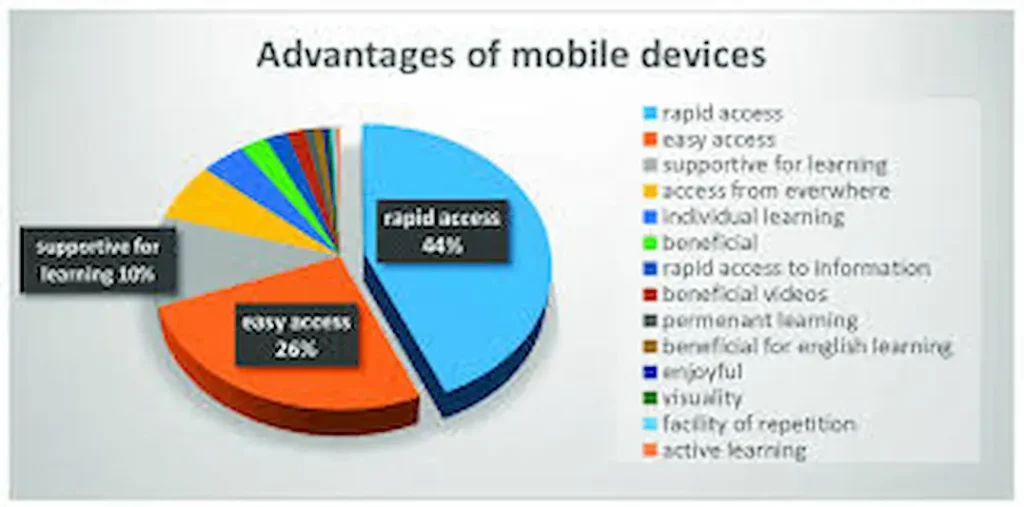
Advantages of Mobile Learning Apps
1. Flexible Learning Anywhere, Anytime
Mobile learning apps allow students to learn whenever they want, whether at home, during travel, or between classes. This flexibility ensures that learning is not restricted to the classroom schedule, making education accessible at all times. top digital innovations in classrooms
2. Personalized Learning Experience
Many apps use algorithms to adapt lessons based on each student’s progress and performance. For example, if a student struggles with math, the app can provide extra exercises or tutorials on that topic. This tailored approach helps students learn at their own pace and improves understanding. top digital innovations in classrooms
3. Engaging and Interactive Lessons
Apps often include videos, animations, interactive quizzes, games, and simulations. These elements make learning fun, keep students motivated, and help them grasp complex concepts more easily than traditional methods. top digital innovations in classrooms
4. Encourages Self-Discipline and Lifelong Learning
By allowing students to manage their learning independently, mobile apps promote self-discipline, responsibility, and time management. They also foster curiosity, encouraging students to explore topics beyond the standard curriculum, which builds lifelong learning habits. top digital innovations in classrooms
5. Real-Time Feedback and Progress Tracking
Many apps provide instant feedback on quizzes, exercises, and assignments. This allows students to immediately identify mistakes and correct them. Teachers can also track student progress in real-time, helping them offer timely guidance and support. top digital innovations in classrooms
6. Accessibility and Convenience
Mobile learning apps make education accessible for all students, including those in remote areas or with mobility challenges. Students can easily access digital textbooks, video tutorials, and learning resources without needing to carry heavy books or visit libraries physically. top digital innovations in classrooms
7. Cost-Effective Learning
Most mobile learning apps are free or low-cost. Students can access quality educational resources without spending a lot of money on textbooks, coaching classes, or study materials. This makes education more affordable and inclusive. top digital innovations in classrooms
8. Supports Collaborative Learning
Many apps provide platforms for group projects, discussion forums, and peer-to-peer learning. Students can work together on assignments, share notes, and communicate with classmates and teachers, enhancing collaboration and teamwork skills. top digital innovations in classrooms
9. Builds Digital Literacy Skills
Using mobile learning apps helps students become comfortable with technology, improving digital literacy. These skills are essential in today’s world and prepare students for future academic and professional environments. top digital innovations in classrooms
10. Encourages Self-Motivation and Goal Setting
Mobile apps often include gamified features such as points, badges, and progress levels. These motivate students to complete tasks, set goals, and achieve milestones, making learning more rewarding and goal-oriented. top digital innovations in classrooms
11. Supports Multisensory Learning
Many apps integrate visual, auditory, and kinesthetic elements, catering to different learning styles. Videos, interactive simulations, and audio explanations help students understand and retain information more effectively. top digital innovations in classrooms
12. Facilitates Continuous Learning Outside the Classroom
Mobile apps encourage students to continue learning beyond school hours. This constant exposure helps reinforce concepts, improve skills, and develop a habit of independent study. top digital innovations in classrooms
What are digital innovations in classrooms?
Digital innovations in classrooms are modern technologies and tools used to improve teaching and learning. Examples include interactive whiteboards, virtual reality (VR), augmented reality (AR), mobile learning apps, AI-based tools, and cloud-based platforms. These technologies make learning more engaging, interactive, and efficient.
How do digital innovations improve learning?
Digital innovations enhance learning by:
Making lessons interactive and engaging
Providing personalized learning experiences
Supporting collaborative and remote learning
Allowing access to resources anytime, anywhere
Improving knowledge retention through multimedia and gamified learning
Are these digital tools suitable for all subjects?
Yes! Digital innovations can be adapted for almost any subject. For example:
VR and AR can be used in science and history lessons
Gamification tools and apps work well for math, languages, and general knowledge
LMS and cloud tools help organize lessons across all subjects
Can schools implement these technologies affordably?
Many digital tools are free or low-cost. Platforms like Google Classroom, Khan Academy, and Duolingo are accessible to most schools. For advanced tools like VR, schools can start small and gradually expand based on budget.
Do teachers need training to use these innovations?
Yes, proper training helps teachers integrate digital tools effectively. Most platforms offer tutorials, webinars, and support to help teachers get started. Once comfortable, these tools can greatly enhance teaching and student engagement.
Conclusion
Digital innovations are transforming classrooms and reshaping the way students learn and teachers teach. From interactive whiteboards and virtual reality to AI-powered tools, mobile learning apps, and cloud-based platforms, technology is making education more engaging, personalized, and efficient.
These innovations not only enhance learning experiences but also develop essential skills like critical thinking, collaboration, digital literacy, and self-directed learning. By embracing these tools, schools can create a modern, interactive, and student-focused learning environment that prepares learners for the challenges of the 21st century.
Incorporating digital innovations in classrooms is no longer optional—it’s a necessity. Schools and teachers that adopt these technologies can provide students with the knowledge, skills, and confidence to thrive in a rapidly evolving, technology-driven world.