Types of digital innovations in learning are changing the way education works today. Instead of relying only on traditional classrooms, students now have access to modern tools that make learning more interactive, flexible, and engaging. With the help of technology, lessons can be delivered through online platforms, virtual reality, artificial intelligence, and mobile apps. These innovations not only make education more accessible but also create exciting opportunities for personalized learning. Exploring the different types of digital innovations helps us understand how education is becoming more effective and future-ready.
Online Learning Platforms
Types of digital innovations in learning are best seen through online learning platforms, which have become the backbone of modern education. These platforms give students the freedom to access study materials, attend live or recorded classes, and connect with teachers and peers from anywhere in the world.
Well-known platforms such as Coursera, Udemy, edX, and Khan Academy provide thousands of courses on topics ranging from basic school subjects to professional skills like coding, business, and design. Many universities also use platforms like Moodle and Blackboard to create digital classrooms where students can submit assignments, take quizzes, and collaborate on projects.
The biggest advantage of online learning platforms is flexibility. Students can study at their own pace, repeat lessons when needed, and learn without the pressure of fixed schedules. This makes education more inclusive for working professionals, stay-at-home learners, and even those living in remote areas.
However, online platforms also come with challenges. Not all learners have strong internet access, and some may struggle with self-discipline when studying independently. Despite these issues, online learning continues to grow rapidly because it saves time, reduces costs, and opens doors to quality education worldwide.
Artificial Intelligence in Learning
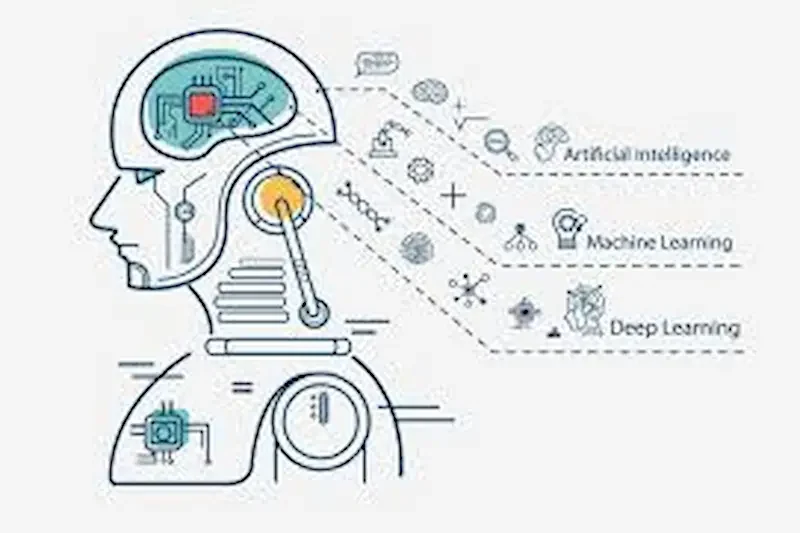
What is Artificial Intelligence in Education?
Types of digital innovations in learning also include artificial intelligence (AI), which is quickly becoming an important part of modern classrooms. AI in education uses smart systems to analyze student performance, predict learning needs, and provide personalized support. Instead of a one-size-fits-all approach, AI helps every learner get the guidance they need.
Personalized Learning Experiences
One of the biggest strengths of AI is personalization. AI-powered platforms can track how students study, where they make mistakes, and what topics they find easy. Based on this data, the system can recommend extra practice, give targeted quizzes, or adjust the difficulty of lessons. For example, platforms like Duolingo use AI to create customized language lessons for every learner.
AI Tutors and Chatbots
AI tutors and chatbots are another valuable innovation. They act like digital assistants, answering student questions, explaining concepts, and even guiding them step by step through problem-solving. Unlike traditional teaching, these AI tools are available 24/7, meaning students can get instant help anytime they need.
Benefits for Teachers
Artificial intelligence is not just helpful for students but also for teachers. AI tools can grade assignments, analyze student performance, and provide reports. This reduces the workload on teachers, allowing them to spend more time focusing on student engagement and creative teaching.
Challenges of AI in Education
While AI has many benefits, it also comes with challenges. Advanced AI systems can be costly, and schools in some regions may lack the infrastructure to support them. There are also concerns about data privacy, as AI collects a lot of student information. Despite these issues, the role of AI in education is growing quickly and promises to make learning more efficient and accessible.
The Future of AI in Learning
In the future, AI is expected to become even smarter, offering real-time feedback, creating virtual study partners, and helping students prepare for careers with personalized skill-building. With continuous growth, AI will remain one of the most powerful types of digital innovations in learning.
Gamification in Learning
What is Gamification in Education?
Types of digital innovations in learning also include gamification, which means adding game-like features into the learning process. Instead of just reading textbooks or attending lectures, students earn points, unlock levels, or receive badges while learning. This makes education more enjoyable and motivates students to stay engaged.
How Gamification Works
Gamification uses elements like quizzes, rewards, leaderboards, and challenges to create a sense of achievement. For example, students may earn stars for completing lessons, compete with classmates in online challenges, or unlock new levels after mastering a skill. These small rewards encourage learners to keep going and improve step by step.
Examples of Gamified Learning
Many modern learning apps and platforms use gamification. Duolingo teaches languages by giving streak points and badges for daily practice. Kahoot! makes classroom quizzes fun by turning them into fast-paced competitions. Even platforms like Classcraft turn the entire classroom into an adventure game where students complete tasks as characters in a story.
Benefits of Gamification
Gamification helps students stay motivated, especially when studying difficult or boring topics. It improves focus, encourages healthy competition, and makes learning fun instead of stressful. Research also shows that students are more likely to remember information when they are actively engaged in the process.
Challenges of Gamification
Although gamification has many advantages, it also has limitations. Some students may focus only on rewards instead of actual learning. Designing good gamified systems requires careful planning by teachers and developers. Still, when used correctly, gamification can greatly improve both motivation and knowledge retention.
The Future of Gamified Learning
In the future, gamification is expected to grow even more with the help of virtual reality, augmented reality, and artificial intelligence. Students may explore entire virtual worlds where lessons are hidden in missions and challenges, making education feel like an exciting game.
you may also like to read these posts;
What Are Learning Resources (Definition & Examples)
Types of Learning Resources for Students: A Complete Guide
How to Use Online Learning Resources: A Complete How-To Guide
Why Learning Resources Are Important: Key Reasons Students Must Use Them
Top Learning Resources for Schools: Best Tools Ranked 2025
Cloud-Based Learning Tools
What are Cloud-Based Learning Tools?
Types of digital innovations in learning also include cloud-based tools, which allow teachers and students to access, share, and store educational resources online. Instead of relying on physical books or offline storage, cloud platforms provide a digital space where lessons, assignments, and projects can be managed easily from anywhere.
How Cloud Learning Works
Cloud-based systems use the internet to store data on remote servers instead of a single device. This means students and teachers can log in from different devices—laptops, tablets, or smartphones—and continue their work without losing progress. Collaboration becomes much easier because multiple users can work on the same document or project at the same time.
Examples of Cloud-Based Tools
Some of the most popular cloud learning tools include:
- Google Classroom – for sharing assignments, grades, and resources.
- Microsoft Teams – for virtual classes, chats, and group projects.
- Dropbox and Google Drive – for storing and sharing files securely.
- Canvas and Moodle – for managing courses, quizzes, and discussions.
Benefits of Cloud-Based Learning
- Collaboration – Students can work together on group projects in real time. types of digital innovations in learning
- Accessibility – Learning materials are available 24/7 from any device. types of digital innovations in learning
- Cost-Effective – Schools save money by reducing the need for physical storage or printing. types of digital innovations in learning
- Easy Updates – Teachers can update resources instantly, ensuring that students always have the latest version. types of digital innovations in learning
- Security – Files stored in the cloud are usually safer than those kept on personal devices, as many platforms use encryption.types of digital innovations in learning
Challenges of Cloud Learning
Despite the many benefits, cloud learning tools do have some challenges. Internet access is essential, and students without stable connections may struggle. There are also concerns about data privacy, as personal and academic information is stored online. Institutions need to use secure platforms to protect student data. types of digital innovations in learning
The Future of Cloud-Based Learning
As technology grows, cloud learning tools are expected to become even smarter. With integration of AI and machine learning, cloud platforms will be able to track student progress, recommend resources, and support adaptive learning. This will make cloud-based systems not just a storage solution, but a complete learning environment. types of digital innovations in learning
The Future of Digital Innovations in Learning
How Technology is Shaping Education
Types of digital innovations in learning are constantly evolving, and the future promises even more exciting changes. Education is moving toward a model that is flexible, personalized, and available to anyone, anywhere in the world. Technology will no longer just support learning—it will become the foundation of how we learn. types of digital innovations in learning
Integration of Artificial Intelligence
Artificial Intelligence will play a much bigger role in the future of education. AI-powered tutors will act like personal guides, helping students step by step, answering questions instantly, and recommending resources based on their performance. This will give learners a classroom experience that feels customized to their unique learning style. types of digital innovations in learning
Growth of Virtual and Augmented Reality
As VR and AR devices become more affordable, schools will use them widely to create immersive classrooms. Imagine students learning about space by “walking” on the moon, or studying history by experiencing important events firsthand. These technologies will make subjects not just informative but unforgettable. types of digital innovations in learning
Expansion of Mobile and Global Learning
Mobile learning will continue to grow, making education accessible to people in remote areas. With the spread of 5G internet, students will have faster, smoother access to digital lessons. Global learning platforms will allow learners from different countries to connect, share ideas, and work on projects together, breaking down barriers of distance and culture. types of digital innovations in learning
Lifelong and Skills-Based Learning
Future education will focus less on memorization and more on skills. Digital platforms will provide lifelong learning opportunities, allowing people to reskill or upskill for new jobs. This will be especially important in careers shaped by technology, where continuous learning is the key to success. types of digital innovations in learning
Smarter Classrooms with Cloud and IoT
Classrooms of the future will be powered by cloud systems and Internet of Things (IoT) devices. Smart boards, connected devices, and cloud platforms will make teaching more efficient and interactive. Teachers will have real-time data on student performance, allowing them to adjust lessons instantly. types of digital innovations in learning
The Promise of Inclusive Education
One of the most powerful benefits of future digital innovations is inclusivity. Students with disabilities, those living in rural areas, or learners from underprivileged backgrounds will gain access to quality education through affordable digital tools. Technology will help close the education gap and provide equal opportunities for all. types of digital innovations in learning
Final Outlook
The future of digital innovations in learning is not just about using new tools—it’s about transforming the entire education system. From AI tutors to virtual classrooms and lifelong learning platforms, these innovations will prepare students for a fast-changing world. Education will become more engaging, inclusive, and student-centered, opening doors to endless possibilities.
Advantages of Digital Innovations in Learning

1. Better Accessibility
One of the biggest advantages of digital innovations in learning is accessibility. Students no longer need to sit in a physical classroom to receive quality education. With online platforms and mobile apps, learners in rural areas or even different countries can join the same course. For example, a student in Pakistan can take a coding course from a U.S. university through Coursera or edX. This breaks down barriers of distance, cost, and availability. types of digital innovations in learning
2. Flexibility and Convenience
Digital learning makes education highly flexible. Learners can choose when and how they study, whether it’s during the day, at night, or while traveling. Recorded lectures, eBooks, and online assignments allow students to balance education with jobs, family responsibilities, or personal goals. Unlike traditional education, digital tools put students in control of their own schedules.
3. Personalized Learning Experiences
Artificial intelligence and adaptive systems customize lessons for each student. Instead of using a one-size-fits-all method, the platform identifies weak areas and offers targeted exercises. For instance, Duolingo changes language lessons based on a learner’s mistakes, while platforms like DreamBox adjust math problems according to the student’s level. This ensures more effective learning. types of digital innovations in learning
4. Increased Engagement and Motivation
Traditional teaching methods can sometimes feel boring or repetitive, but digital innovations add excitement. Gamification, quizzes, rewards, and VR simulations make learning interactive. For example, Kahoot! transforms simple quizzes into competitive games, while VR headsets allow students to explore planets or perform virtual experiments. This hands-on experience improves both attention and memory. types of digital innovations in learning
5. Stronger Collaboration and Communication
Cloud-based tools and online platforms encourage teamwork and communication. Students can collaborate on group projects in real time using Google Docs, join discussions through Microsoft Teams, or participate in virtual study groups. Teachers can also provide instant feedback, creating a continuous connection between students and instructors, even outside the classroom. types of digital innovations in learning
6. Cost-Effective Education
Digital learning often costs less than traditional education. Many online courses are free or affordable, and students save money on travel, accommodation, and printed materials. Open educational resources (OER) also provide free textbooks, lecture notes, and study materials. This makes education more inclusive for people from different financial backgrounds. types of digital innovations in learning
7. Opportunities for Lifelong Learning
In today’s fast-changing job market, continuous learning is essential. Digital innovations make lifelong learning possible by offering courses for all ages and professions. A working professional can learn graphic design, coding, or digital marketing through online platforms without leaving their job. This helps people stay updated with new skills throughout their lives. types of digital innovations in learning
8. Data-Driven Insights for Improvement
AI-powered tools and cloud platforms generate valuable data about student performance. Teachers can see how students are progressing, where they face difficulties, and which topics need more attention. This data-driven approach allows schools and universities to improve teaching strategies and create better learning outcomes. types of digital innovations in learning
9. Inclusive Education for All
Digital tools are helping students with disabilities participate more fully in education. For example, speech-to-text software helps students with hearing difficulties, while screen readers assist visually impaired learners. Online lessons can also be customized with subtitles, translations, and adjustable fonts, making learning more inclusive and accessible to everyone.
What are digital innovations in learning?
Digital innovations in learning are modern technologies such as online platforms, virtual reality, artificial intelligence, and mobile apps that improve the way students learn and teachers teach. They make education more engaging, flexible, and accessible.
Why are digital innovations important in education?
They are important because they remove barriers of distance, cost, and time. Students can learn from anywhere, get personalized lessons, and access resources that were once limited to traditional classrooms.
What are examples of digital innovations in learning?
Some common examples include online learning platforms like Coursera and Khan Academy, virtual reality classrooms, AI-powered tutors, gamified apps like Duolingo, mobile learning apps, and cloud-based tools such as Google Classroom.
How do digital innovations benefit students?
They help students learn at their own pace, stay motivated through interactive tools, and gain access to quality education from global institutions. They also prepare learners for future careers by teaching digital skills.
Do digital innovations replace teachers?
No, digital innovations do not replace teachers. Instead, they support teachers by reducing their workload, providing data-driven insights, and giving students extra resources. Teachers remain essential for guidance, mentorship, and personal interaction.
What challenges come with digital innovations in learning?
Some challenges include limited access to devices or the internet, high costs of advanced tools like VR, and concerns about data privacy. Self-discipline is also required, as some students may struggle with independent learning.
Conclusion
Types of digital innovations in learning are transforming education into something more interactive, flexible, and accessible than ever before. From online platforms and mobile apps to advanced tools like artificial intelligence and virtual reality, these technologies are opening new doors for both students and teachers.
The real strength of digital innovations is their ability to make learning personal and engaging. Students can learn at their own pace, explore subjects in exciting new ways, and prepare for the demands of the modern world. Teachers, on the other hand, gain powerful tools to deliver lessons more effectively and support learners individually.
As technology continues to grow, the future of education will only become more dynamic and inclusive. Embracing these innovations means creating opportunities for lifelong learning, skill development, and global collaboration. Digital learning is not just a trend—it’s the foundation of the future of education.