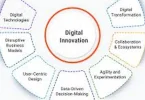

Digital innovation improves learning by transforming the way education is delivered and experienced. Traditional classrooms are evolving with the help of technology, allowing students to access knowledge in more interactive, engaging, and flexible ways. From online courses and educational apps to virtual classrooms and AI-powered tools, technology is making learning more personalized and effective.
With digital innovation, students can learn at their own pace, collaborate easily with peers, and gain access to resources that were previously unavailable. It not only makes learning more enjoyable but also prepares students for the modern, technology-driven world. In today’s fast-changing educational landscape, embracing digital innovation is key to improving learning outcomes for everyone.
Personalized Learning
Digital innovation improves learning by making education more tailored to each student’s unique needs. Traditional classrooms often follow a “one-size-fits-all” approach, but digital tools allow lessons to adapt to individual learning styles, strengths, and weaknesses. For example, AI-powered platforms can identify areas where a student struggles and offer extra practice, while advancing faster through topics they already understand.
This personalized approach keeps students motivated and reduces frustration, as they no longer feel left behind or bored. Teachers also benefit because they can use data from digital tools to provide targeted guidance, track progress, and adjust teaching methods accordingly. Whether through interactive apps, online quizzes, or adaptive learning software, personalized learning ensures that each student can achieve their full potential and enjoy the learning process.
Increased Engagement and Motivation
Digital innovation improves learning by making it more engaging and motivating for students. Traditional classroom methods, such as long lectures or passive note-taking, can sometimes fail to capture students’ attention. With digital tools, learning becomes interactive, dynamic, and exciting.
Interactive Tools and Gamification
Technology introduces interactive tools like educational apps, quizzes, and games that make learning feel less like a chore and more like an activity students want to participate in. Gamified learning turns assignments and lessons into challenges with points, badges, or rewards, encouraging students to complete tasks and track their progress. This boosts motivation and helps students stay focused on learning goals.
Multimedia Learning
Videos, animations, and virtual simulations allow students to visualize difficult concepts and apply them in realistic scenarios. For example, science students can explore virtual labs, history students can take virtual tours of historical sites, and math learners can interact with dynamic graphs. This type of learning keeps students actively involved and helps them retain information longer.
Collaborative Engagement
Digital platforms also encourage collaboration. Students can engage in group projects, online discussions, and interactive forums, even when they are not physically in the same classroom. This teamwork promotes engagement and helps learners develop communication and social skills.
Long-Term Benefits
When students are motivated and actively engaged, they are more likely to understand complex concepts, retain knowledge, and develop critical thinking skills. By making learning fun, interactive, and meaningful, digital innovation transforms education into an experience that students look forward to.
Accessibility and Flexibility
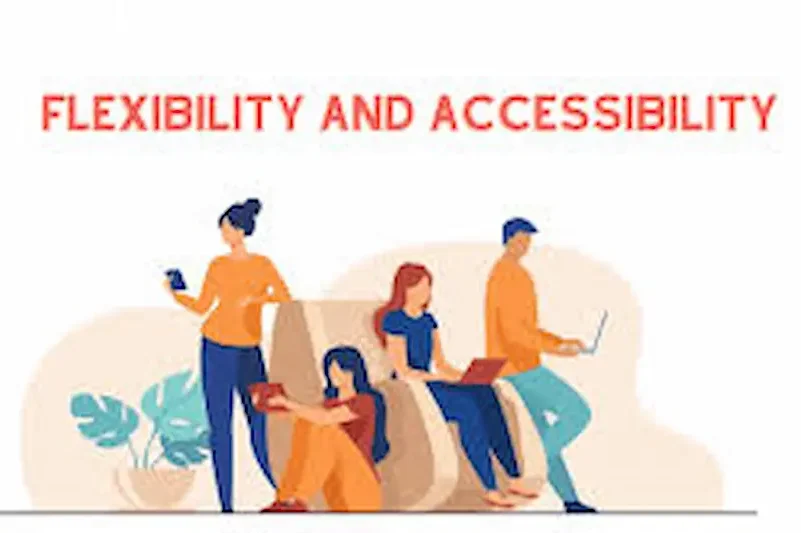
Digital innovation improves learning by making education more accessible, inclusive, and flexible than ever before. Traditional learning often relies on physical classrooms, fixed schedules, and limited resources, which can be challenging for students in remote areas, working professionals, or learners with special needs. Technology removes these barriers and opens new opportunities for everyone.
Online Courses and E-Learning Platforms
Digital platforms offer a wide variety of online courses, tutorials, and e-books. Students can explore topics at their own pace, revisit lessons as needed, and even choose courses outside their local educational offerings. For example, a student in a small town can access the same advanced programming course as someone in a major city, leveling the educational playing field.
Learning Anytime, Anywhere
With digital tools, learning is no longer confined to a specific time or place. Video lectures, mobile learning apps, and cloud-based resources allow students to study from home, in libraries, or on the go. This flexibility ensures that busy schedules, commuting, or other commitments do not interfere with education. Students can pause, review, or repeat lessons whenever they need, making learning more effective and self-directed.
Support for Diverse Learning Needs
Digital innovation improves learning by catering to a wide range of learning styles and abilities. Tools like screen readers, adjustable font sizes, subtitles, and text-to-speech options help students with visual or auditory challenges. Multilingual platforms and translation software also allow learners from different cultural backgrounds to access quality education in their preferred language.
Encouraging Lifelong Learning
Flexibility in digital learning encourages students to continue learning beyond formal education. Adults can acquire new skills, explore hobbies, or update professional knowledge without attending traditional classrooms. This accessibility makes learning a continuous process, helping people stay relevant in an ever-changing world.
Bridging the Education Gap
By providing remote access to quality content, digital innovation reduces inequalities in education. Students from rural areas, underfunded schools, or underserved communities can access the same resources as those in urban, well-equipped institutions. This democratization of learning ensures that education is available to anyone willing to learn, no matter their circumstances.
Collaboration and Communication
Digital innovation improves learning by creating new ways for students and teachers to collaborate and communicate effectively. Traditional classrooms often rely on limited face-to-face interaction, which can make it difficult for students to share ideas or get timely feedback. Technology removes these barriers, making learning a more interactive and social experience.
Collaborative Tools for Teamwork
Digital platforms provide a wide range of tools for collaboration. Shared documents, cloud storage, and project management apps allow students to work together on assignments, research, and presentations from anywhere. Multiple users can contribute simultaneously, track edits, and provide input in real time. This helps students develop organizational and teamwork skills while completing tasks more efficiently.
Interactive Communication Platforms
Video conferencing, online classrooms, discussion forums, and chat applications allow students to interact with teachers and peers whenever needed. For example, students can participate in virtual Q&A sessions, ask questions during lectures, or engage in group discussions outside of school hours. This constant communication ensures that students receive immediate support, clarifications, and feedback, which improves understanding and learning outcomes.
Global Collaboration Opportunities
Digital innovation also enables students to connect with peers around the world. Virtual exchange programs, global project collaborations, and international discussion forums allow learners to work on shared projects with diverse groups. These experiences broaden perspectives, encourage cultural awareness, and help students develop essential communication skills for the globalized world.
Enhanced Teacher-Student Interaction
Technology allows teachers to monitor student progress more closely through learning management systems, analytics dashboards, and automated reports. Educators can provide personalized guidance, identify areas where students are struggling, and offer extra support when needed. This direct interaction ensures that students remain on track and engaged with their learning.
Developing Social and Teamwork Skills
Collaboration through digital platforms also teaches important social skills. Students learn how to respect different viewpoints, negotiate ideas, and work together to achieve shared goals. These skills are critical not just in education, but also in future professional environments where teamwork and communication are highly valued. digital innovation improves learning
Fostering a Community of Learners
Digital innovation encourages students to be part of a larger learning community. Online discussion boards, peer review systems, and virtual study groups create environments where learners can share knowledge, help each other, and build a sense of belonging. Feeling connected enhances motivation, engagement, and overall learning satisfaction. digital innovation improves learning
you may also like to read these posts;
Types of Learning Resources for Students: A Complete Guide
How to Use Online Learning Resources: A Complete How-To Guide
Why Learning Resources Are Important: Key Reasons Students Must Use Them
Top Learning Resources for Schools: Best Tools Ranked 2025
Digital Learning Resources vs Textbooks: Key Comparison
Data-Driven Insights
Digital innovation improves learning by providing valuable data that helps both students and educators make better decisions. Modern educational tools collect and analyze information on how students learn, which topics they struggle with, and which methods are most effective. This allows teaching and learning to be more targeted and efficient. digital innovation improves learning
Tracking Student Performance
Digital platforms can track student progress in real time. For example, online quizzes, assignments, and interactive exercises automatically record scores and completion rates. Teachers can see which students are excelling and which need extra support, allowing for timely interventions. This helps prevent students from falling behind and ensures that everyone stays on track.
Identifying Learning Gaps
By analyzing student data, educators can identify specific areas where learners struggle. Adaptive learning systems can then adjust lessons to address these gaps, providing additional practice or alternative explanations. This personalized approach ensures that students receive the support they need to fully understand each concept.
Enhancing Teaching Strategies
Data-driven insights also help teachers improve their instructional methods. By reviewing patterns in student performance, educators can determine which teaching techniques are most effective and which may need adjustment. This continuous feedback loop creates a more efficient and responsive learning environment.
Empowering Students
Students themselves can benefit from data insights. Many digital platforms provide dashboards showing progress, strengths, and areas for improvement. This encourages self-directed learning, helping students set goals, monitor their performance, and take responsibility for their education. digital innovation improves learning
Predicting and Improving Outcomes
Advanced analytics and artificial intelligence can predict potential challenges before they occur, such as identifying students at risk of falling behind. This allows educators to intervene early, improving overall learning outcomes. Data-driven insights also help schools and institutions evaluate the effectiveness of programs, courses, and teaching methods over time. digital innovation improves learning
Preparing Students for the Future
Digital innovation improves learning by preparing students for the demands of the modern world, where technology plays a central role in almost every career and aspect of life. It equips learners with the skills, mindset, and adaptability needed to succeed in higher education, professional environments, and everyday life. digital innovation improves learning
Developing Digital Literacy
Digital literacy is one of the most important skills for today’s learners. Through the use of online tools, educational apps, and virtual platforms, students learn how to navigate software, conduct online research, and communicate effectively using technology. For instance, learning to use spreadsheets, coding platforms, or presentation software helps students gain practical skills that are directly applicable in both academics and future jobs. digital innovation improves learning
Enhancing Critical Thinking and Problem-Solving Skills
Digital innovation improves learning by fostering critical thinking and problem-solving abilities. Tools like virtual simulations, coding challenges, and interactive case studies require students to analyze information, evaluate options, and make informed decisions. These experiences encourage learners to approach problems creatively, think logically, and develop solutions independently—skills that are essential for success in any career. digital innovation improves learning
Fostering Adaptability and Innovation
Exposure to evolving technology platforms and AI-driven tools teaches students to adapt quickly to change. They learn to experiment with new methods, test innovative ideas, and respond effectively to challenges. For example, using project-based learning platforms or virtual labs encourages learners to explore, fail, and try again—developing resilience and creativity that are vital in fast-paced industries. digital innovation improves learning
Preparing for Future Careers
Many future careers will require technical skills, digital communication abilities, and familiarity with emerging technologies. By integrating digital tools into education, students gain early exposure to these competencies, preparing them for high-demand fields such as information technology, data analytics, digital marketing, and engineering. Learning through technology bridges the gap between theoretical knowledge and practical application, making students career-ready. digital innovation improves learning
Encouraging Lifelong Learning
Digital innovation improves learning by promoting a culture of continuous growth. Students are encouraged to explore new subjects, stay updated with industry trends, and acquire new skills long after formal education ends. Online platforms, webinars, and educational apps provide opportunities for self-directed learning, ensuring that students remain adaptable and competitive in a constantly changing world. digital innovation improves learning
Developing Soft Skills for the Future
In addition to technical skills, digital learning environments foster essential soft skills such as collaboration, communication, and time management. Working on group projects through online platforms, participating in virtual discussions, and presenting digital assignments help students build confidence and professionalism—qualities that employers highly value. digital innovation improves learning
Tips for Implementing Digital Innovation in Learning

Digital innovation improves learning most effectively when it is implemented thoughtfully and strategically. Simply introducing technology is not enough—students, teachers, and institutions must know how to use digital tools in ways that actively enhance understanding, engagement, and outcomes.
1. Choose the Right Tools and Platforms
Selecting the appropriate digital tools is the first step to successful implementation. Not every app, software, or online platform suits every subject, class size, or age group. For example, virtual lab simulations are ideal for science students, while coding platforms like Scratch or Python apps benefit technology-focused lessons. Evaluate tools for ease of use, accessibility, cost, and alignment with learning objectives to ensure they truly enhance the educational experience. digital innovation improves learning
2. Encourage Responsible and Balanced Use
While technology provides immense benefits, excessive or improper use can lead to distractions, eye strain, or reduced attention span. Set clear guidelines for students on when and how to use digital tools. Combine online activities with offline tasks, such as reading, hands-on experiments, or discussions. Encouraging balance helps students make the most of digital innovation without negative effects. digital innovation improves learning
3. Provide Teacher Training and Support
Teachers are central to implementing digital innovation effectively. Professional development programs, workshops, and tutorials can help educators understand new tools, digital teaching strategies, and how to integrate technology into lessons seamlessly. Confident, well-trained teachers can better guide students, maximize engagement, and ensure that technology improves learning outcomes. digital innovation improves learning
4. Personalize Learning Experiences
Digital innovation allows lessons to be tailored to each student’s needs. Adaptive learning platforms, quizzes, and interactive modules help students progress at their own pace, revisit challenging topics, or explore advanced material. Personalized learning ensures that every student receives the support they need to succeed while encouraging self-directed learning and responsibility.
5. Promote Collaboration and Interaction
Collaboration is key to modern learning. Choose platforms that support teamwork, online discussions, and peer feedback. Encourage students to work on group projects, participate in virtual study sessions, or engage in discussion forums. These collaborative activities build critical thinking, communication, and problem-solving skills while keeping students motivated and socially connected. digital innovation improves learning
6. Monitor, Evaluate, and Adjust
Regularly tracking student performance is essential. Digital tools provide analytics on quiz scores, assignment completion, and engagement levels. Teachers can use this data to identify learning gaps, provide additional support, and refine teaching strategies. Continuous monitoring ensures that digital innovation translates into real improvements in learning outcomes. digital innovation improves learning
7. Keep Updating and Adapting
Technology evolves rapidly, and new tools and resources become available constantly. Stay informed about emerging platforms, innovative apps, and updated teaching methods. Solicit feedback from students and teachers, experiment with new approaches, and adapt strategies to keep learning engaging, effective, and up to date. digital innovation improves learning
8. Encourage Student Ownership and Responsibility
Empower students to take charge of their own learning. Encourage them to explore digital resources, track their progress, and set personal goals. Teaching students to use technology responsibly and independently fosters accountability and prepares them for lifelong learning.
9. Integrate Technology Seamlessly with Curriculum
Digital innovation works best when it complements, rather than replaces, traditional learning methods. Integrate digital tools into the curriculum in meaningful ways—use interactive simulations to reinforce concepts, online quizzes to practice skills, and discussion forums to encourage critical thinking. This ensures that technology enhances, rather than distracts from, core learning objectives.
How does digital innovation improve learning for students?
Digital innovation improves learning by making education more personalized, interactive, and accessible. Technology allows students to learn at their own pace, engage with interactive tools, collaborate with peers, and receive immediate feedback, which enhances understanding and retention.
Can digital innovation replace traditional teaching?
Digital innovation is designed to complement traditional teaching, not replace it. Combining technology with classroom instruction creates a blended learning approach, which enhances engagement and learning outcomes while maintaining the benefits of face-to-face interaction.
What are the most effective digital tools for learning?
Some of the most effective tools include:
Online learning platforms and courses (Coursera, Khan Academy)
Interactive simulations and virtual labs
Gamified educational apps
Collaborative tools (Google Workspace, Microsoft Teams)
AI-powered tutoring systems
How does technology help students with different learning needs?
Digital innovation improves learning by catering to diverse needs. Tools like text-to-speech software, screen readers, adjustable fonts, subtitles, and multilingual resources make content accessible to students with disabilities or different language backgrounds. Adaptive platforms personalize lessons based on each learner’s pace and ability.
Does using digital tools improve student engagement?
Yes. Digital tools such as gamified apps, interactive quizzes, videos, and virtual simulations make learning more engaging and fun. When students are actively involved, they retain information better, stay motivated, and develop problem-solving and critical thinking skills.
Conclusion
Digital innovation improves learning by transforming education into a more personalized, engaging, and effective experience. It allows students to learn at their own pace, access resources anytime and anywhere, collaborate with peers, and develop critical skills for the future.
By integrating technology into classrooms and online learning environments, educators can provide personalized support, monitor progress through data-driven insights, and create interactive lessons that keep students motivated. Digital innovation not only enhances understanding and retention but also prepares learners for real-world challenges in a technology-driven world.
Moreover, digital tools promote lifelong learning, encouraging students to continue exploring, growing, and updating their skills even beyond formal education. By embracing digital innovation thoughtfully and strategically, schools, teachers, and students can achieve better outcomes, foster creativity, and make learning more enjoyable and accessible for everyone.