Career development is an important step for every student who wants to achieve success in the professional world. It is the process of setting goals, learning new skills, and gaining experiences that help shape your future career. Starting early gives you a head start, helps you make better decisions, and prepares you for the challenges of the job market.
Focusing on career development while still studying allows you to explore your interests, build relevant skills, and create opportunities for internships and professional connections. By taking small, consistent steps now, you can lay a strong foundation for a successful and fulfilling career.
In this article, we will share some top career development tips for students that are easy to follow, practical, and designed to help you grow both academically and professionally.
Self-Assessment and Understanding Your Interests
Before you can plan a successful career, it’s important to understand yourself—your strengths, weaknesses, passions, and interests. Self-assessment helps you identify the fields or industries that match your personality and skills, making your career decisions more focused and meaningful.
Why It Matters
Knowing yourself allows you to choose a career path that you are genuinely interested in, rather than following trends or external pressure. When your work aligns with your interests, you are more motivated, productive, and likely to succeed in the long term.
How to Assess Yourself
- Personality Tests: Tools like the Myers-Briggs Type Indicator (MBTI) or Holland Code can help you understand your preferences and strengths.
- Skill Analysis: Make a list of skills you are good at, such as writing, problem-solving, leadership, or technical abilities.
- Interest Journaling: Write down subjects, activities, or hobbies you enjoy. Over time, patterns will emerge that point toward potential career paths.
- Feedback from Others: Teachers, mentors, and friends can provide valuable insights into your abilities and strengths.
By taking the time to assess yourself, you can make informed decisions about your career path, set meaningful goals, and focus your efforts on opportunities that fit your natural abilities and passions.
Setting Clear and Achievable Goals for top career development tips for students
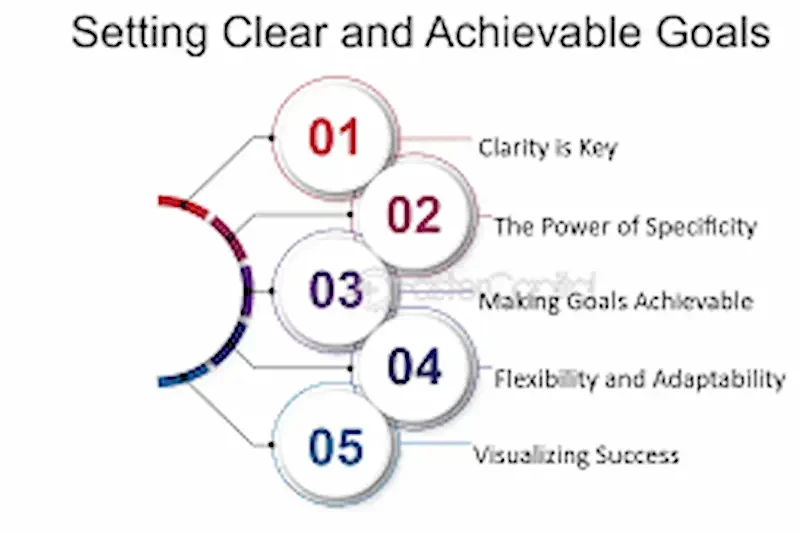
Once you understand your strengths, interests, and passions, the next step in career development is setting clear and achievable goals. Goals give you direction, motivation, and a roadmap for success, helping you stay focused on what really matters for your future career.
Why Setting Goals is Important
Without goals, it’s easy to feel lost or overwhelmed by choices. Clear goals provide:
- Direction: Knowing what you want to achieve helps you focus your energy on relevant tasks.
- Motivation: Goals give you a reason to work hard and stay committed.
- Progress Tracking: Breaking down big goals into smaller milestones allows you to measure your success along the way.
How to Set Effective Goals
- Short-Term Goals: These are achievable within a few months or a year. Examples include completing a course, joining a club, or attending a workshop.
- Long-Term Goals: These take years to accomplish and may include landing a dream job, earning a degree, or building a professional network.
- SMART Goals: Make your goals Specific, Measurable, Achievable, Relevant, and Time-bound. For example, “Complete a digital marketing certification in six months” is better than “Learn digital marketing.”
Tips for Staying on Track
- Write down your goals and review them regularly.
- Break larger goals into smaller, manageable tasks.
- Celebrate achievements along the way to stay motivated.
- Be flexible—adjust goals as your interests, skills, or circumstances change.
By setting clear and achievable goals, you can turn your career vision into a structured plan, making it easier to progress step by step toward your professional aspirations.
Gaining Relevant Experience
Gaining practical experience is one of the most crucial steps in career development for students. While academic knowledge is important, real-world experience gives you the skills, confidence, and insights that cannot be learned from books alone. It also makes your resume stronger and helps you stand out in a competitive job market.
Why Experience Matters
- Builds Practical Skills: Working on real tasks helps you apply theoretical knowledge in practical scenarios. Skills like problem-solving, teamwork, communication, and time management improve faster through experience.
- Enhances Your Resume: Employers are more likely to hire students who have hands-on experience in their field, even if it’s through internships or volunteer work.
- Provides Career Clarity: Trying different roles or projects helps you understand what you enjoy and what career path suits you best.
- Boosts Confidence: Facing real challenges and achieving results boosts self-confidence and prepares you for future responsibilities.
Ways to Gain Experience
- Internships: Paid or unpaid internships in your area of interest provide exposure to professional environments and industry standards. Even a short internship can give you valuable skills and connections.
- Volunteer Work: Volunteering allows you to develop leadership, organizational, and teamwork skills while contributing to meaningful causes. It also shows initiative and commitment on your resume.
- Part-Time Jobs: Jobs related to your field, even if small, help you gain work experience, understand workplace etiquette, and earn some income while studying.
- Academic Projects and Competitions: Participating in projects, research, or competitions builds technical skills, problem-solving abilities, and creativity. It also gives you tangible achievements to showcase in your portfolio.
- Freelancing and Online Work: Platforms like Upwork, Fiverr, or freelance coding and design projects allow you to work with clients, manage deadlines, and gain experience in your field.
- Student Clubs and Societies: Leading or participating in clubs helps you gain organizational, teamwork, and leadership experience that is highly valued by employers.
Tips for Making the Most of Your Experience
- Be Proactive: Don’t just complete tasks—look for opportunities to contribute ideas, take on responsibility, and learn new skills.
- Keep a Record: Maintain a portfolio or journal of projects, tasks, and skills gained from each experience. This makes it easier to highlight achievements on your resume.
- Seek Feedback: Regularly ask mentors, supervisors, or colleagues for feedback to improve performance and grow professionally.
- Reflect and Learn: After each experience, think about what you learned, the skills you developed, and how it aligns with your career goals.
- Network While Working: Build relationships with colleagues, mentors, and industry professionals—they can offer guidance, references, and future job opportunities.
By actively seeking and making the most of relevant experiences, students can gain confidence, develop essential professional skills, and clearly define the career path they want to pursue.
Skill Development
Developing the right skills is one of the most important steps in career development for students. While academic knowledge provides the foundation, skills—both technical and interpersonal—allow you to stand out in the competitive job market. By building skills early, you not only improve your employability but also prepare yourself to handle challenges in your professional life.
Why Skills Matter
- Increase Employability: Employers are more likely to hire candidates who demonstrate a combination of knowledge and practical skills.
- Boost Career Growth: Skilled individuals are better positioned for promotions, leadership roles, and new opportunities.
- Adapt to Change: Industries evolve rapidly; developing new skills keeps you relevant and adaptable.
- Confidence: Mastering skills boosts self-confidence, helping you tackle tasks and challenges effectively.
Types of Skills Students Should Develop
1. Hard Skills
Hard skills are technical abilities directly related to your field or career goals. They are measurable and can often be certified. Examples include:
- Programming and Coding: Python, Java, HTML/CSS, or other languages depending on your field.
- Data Analysis and Research: Using tools like Excel, SPSS, or SQL to interpret data and make informed decisions.
- Digital Skills: Graphic design, video editing, social media management, or content creation.
- Professional Writing: Writing reports, articles, or professional emails.
- Certifications: Online courses in digital marketing, project management, or any field-specific certification.
How to Develop Hard Skills:
- Take online courses or tutorials from platforms like Coursera, Udemy, or LinkedIn Learning.
- Apply skills to real projects, internships, or competitions.
- Practice regularly and seek feedback to improve performance.
2. Soft Skills
Soft skills are personal traits and interpersonal abilities that allow you to work effectively with others and succeed in professional environments. Examples include:
- Communication Skills: Clear verbal and written communication, active listening, and presentation skills.
- Teamwork and Collaboration: Working effectively with peers, respecting others’ ideas, and contributing to group success.
- Leadership and Initiative: Taking responsibility, motivating others, and leading projects or teams.
- Time Management: Organizing tasks, prioritizing work, and meeting deadlines efficiently.
- Problem-Solving and Critical Thinking: Analyzing challenges, thinking creatively, and finding solutions.
How to Develop Soft Skills:
- Participate in group projects, student clubs, and volunteer activities.
- Take on leadership roles in organizations or events.
- Practice public speaking, debates, and networking to improve confidence.
- Seek feedback from teachers, mentors, and peers to improve your interpersonal skills.
Tips for Continuous Skill Development
- Set Learning Goals: Identify which skills are essential for your desired career and create a plan to acquire them.
- Practice Consistently: Skills improve with repeated practice and real-world application.
- Stay Updated: Keep up with industry trends, new tools, and emerging technologies.
- Mix Hard and Soft Skills: Combining technical expertise with interpersonal skills makes you highly valuable to employers.
- Learn From Experience: Apply skills in internships, freelance projects, or competitions to gain hands-on experience.
- Reflect and Improve: Regularly assess your skill level and look for areas where you can improve.
By investing time in skill development while still in school, students can build a strong foundation for their careers. This proactive approach not only makes you more competitive in the job market but also helps you adapt, grow, and excel in any professional environment.
Building a Professional Network
Building a strong professional network is a key part of career development for students. Networking is not just about collecting contacts—it’s about forming meaningful relationships that can guide, support, and open doors to new opportunities in your career.
Why Networking is Important
- Opportunities: Many internships, jobs, and projects are shared through professional connections.
- Guidance and Mentorship: Experienced professionals can provide advice, feedback, and insights that help you make better career decisions.
- Knowledge Sharing: Networking exposes you to industry trends, new skills, and ideas you might not learn in the classroom.
- Confidence Building: Interacting with professionals improves communication skills and self-confidence.
How Students Can Build a Network
1. Attend Events and Workshops
- Participate in career fairs, seminars, webinars, and workshops related to your field.
- Engage with speakers, ask questions, and exchange contact information.
- Take notes and follow up with professionals afterward to maintain connections.
2. Use Online Platforms
- LinkedIn: Create a professional profile, connect with classmates, alumni, teachers, and industry professionals.
- Join relevant groups, participate in discussions, and share your projects or achievements.
- Follow companies, professionals, and industry leaders to stay updated.
3. Connect with Mentors
- Approach teachers, seniors, or professionals in your desired field for guidance.
- Be polite, show genuine interest, and ask meaningful questions.
- Mentors can provide advice, help you avoid mistakes, and sometimes refer you to job opportunities.
4. Participate in Student Clubs and Organizations
- Join clubs, societies, or associations related to your career interests.
- Take part in events, competitions, and projects where you can meet like-minded peers and professionals.
- Leadership roles in clubs can also help you gain visibility and recognition.
5. Maintain Relationships
- Networking is not a one-time activity—it requires consistent effort.
- Keep in touch with your contacts through emails, social media, or occasional meetups.
- Offer help when possible, such as sharing useful resources or supporting their projects, to build a mutually beneficial relationship.
Tips for Effective Networking
- Be genuine and authentic; don’t network only for personal gain.
- Prepare an elevator pitch—a short introduction about yourself, your skills, and career interests.
- Listen actively and show interest in others’ work and experiences.
- Take notes and remember details about people you meet to personalize future interactions.
By building a strong professional network, students can gain valuable advice, discover opportunities, and connect with mentors who guide them toward a successful career. Networking early helps you develop relationships that can support your professional journey for years to come.
Leveraging Technology and Online Resources
In today’s digital age, technology and online resources play a crucial role in career development. Students can use these tools to learn new skills, connect with professionals, explore job opportunities, and stay updated with industry trends. Using technology effectively can give you a significant advantage in building your career.
Why Technology is Important for Career Development
- Access to Knowledge: Online courses, tutorials, and webinars provide learning opportunities beyond the classroom.
- Professional Networking: Social media platforms like LinkedIn help you connect with professionals and industry leaders.
- Showcasing Skills: Portfolios, personal websites, and online profiles allow you to demonstrate your abilities to potential employers.
- Staying Updated: Technology helps you follow industry trends, news, and innovations in real-time.
How Students Can Use Technology
1. Online Learning Platforms
- Platforms like Coursera, Udemy, Khan Academy, and LinkedIn Learning offer courses in nearly every field.
- You can gain certifications, learn new software, or acquire practical skills that complement your studies.
- Online learning also allows flexible scheduling, so you can learn at your own pace.
2. Professional Networking Tools
- LinkedIn: Create a strong profile, connect with classmates, alumni, and industry professionals.
- Join relevant groups, participate in discussions, and follow companies in your field.
- Share your achievements, projects, and insights to build credibility.
3. Digital Portfolios and Personal Websites
- Showcase your projects, assignments, or freelance work online.
- Include a resume, portfolio samples, and links to your professional profiles.
- A well-organized online presence can impress employers and recruiters.
4. Job Search and Internship Platforms
- Websites like Indeed, Glassdoor, and Handshake help students find internships, part-time jobs, and entry-level opportunities.
- Set alerts for positions that match your interests and skills.
- Research companies online to prepare for applications and interviews.
5. Industry News and Trends
- Follow industry blogs, podcasts, and YouTube channels to stay informed about changes in your field.
- Join online forums or communities where professionals discuss challenges, innovations, and best practices.
Tips for Using Technology Effectively
- Be Professional Online: Keep social media profiles professional, as employers often check online presence.
- Schedule Learning Time: Dedicate regular hours each week for online learning or skill-building.
- Engage Actively: Don’t just browse; participate in discussions, ask questions, and share insights.
- Combine Online and Offline Efforts: Apply what you learn online through projects, internships, or volunteer work.
By leveraging technology and online resources, students can access endless opportunities to learn, connect, and grow professionally. Using digital tools wisely can accelerate your career development and help you stay ahead in a competitive world.
you may also like to read these posts;
Types of Learning Resources for Students: A Complete Guide
How to Use Online Learning Resources: A Complete How-To Guide
Why Learning Resources Are Important: Key Reasons Students Must Use Them
Top Learning Resources for Schools: Best Tools Ranked 2025
Digital Learning Resources vs Textbooks: Key Comparison
Seeking Guidance and Mentorship
Mentorship is a powerful tool in career development. Guidance from experienced professionals can help students make informed decisions, avoid common mistakes, and navigate the challenges of building a successful career. Finding the right mentor can significantly accelerate your personal and professional growth.
Why Mentorship Matters
- Gain Insights: Mentors share their experiences, knowledge, and advice about your chosen field.
- Avoid Mistakes: Learning from a mentor’s experiences helps you sidestep common pitfalls.
- Expand Opportunities: Mentors can introduce you to professional networks, internships, and job opportunities.
- Build Confidence: Regular guidance helps you develop self-assurance in your skills, decisions, and career path.
How Students Can Find a Mentor
1. Teachers and Professors
- Approach educators who have experience in your field of interest.
- Ask questions about career paths, industry trends, and skill requirements.
- Teachers can also provide recommendation letters and guidance on academic projects.
2. Senior Students or Alumni
- Connect with seniors or alumni who have pursued careers similar to your interests.
- They can provide realistic advice on internships, jobs, and skill development.
- Alumni networks are often valuable for finding opportunities in your desired industry.
3. Industry Professionals
- Attend seminars, workshops, or networking events to meet professionals.
- Reach out via LinkedIn or professional email, expressing genuine interest in learning from them.
- Ask specific questions about their career journey, challenges, and advice for beginners.
4. Peer Mentorship
- Learning from classmates or colleagues who have strengths in areas you want to improve can be helpful.
- Peer mentors can guide you in academic skills, project work, or soft skills development.
Tips for Building a Strong Mentorship Relationship
- Be Respectful and Professional: Value their time and guidance. top career development tips for students
- Be Clear About Your Goals: Let your mentor know what you hope to learn. top career development tips for students
- Stay Engaged: Ask questions, take notes, and follow up on their advice. top career development tips for students
- Show Appreciation: Thank mentors for their time and feedback—it helps maintain a positive relationship.
- Apply Their Guidance: Put their advice into practice to demonstrate that you value their mentorship.
By seeking guidance and building mentorship relationships, students can access valuable knowledge, practical advice, and opportunities that accelerate their career growth. A strong mentor can be a guiding light, helping you navigate challenges and achieve your professional goals more efficiently. top career development tips for students
Staying Adaptable and Open to Change
In today’s fast-paced world, the job market and industries are constantly evolving. Technology, new business models, and global trends can change the skills and knowledge required for success. Students who stay adaptable and open to change are better equipped to navigate challenges and seize opportunities in their careers.
Why Adaptability is Important
- Career Resilience: Being adaptable allows you to handle unexpected changes, such as shifting job markets or new technologies.
- Continuous Learning: Open-minded students embrace new skills, knowledge, and experiences, staying relevant in their field.
- Problem-Solving: Adaptable individuals can find creative solutions when facing challenges. top career development tips for students
- Opportunity Recognition: Flexibility helps you spot and take advantage of emerging career opportunities. top career development tips for students
How Students Can Stay Adaptable
1. Embrace Lifelong Learning
- Take new courses, attend workshops, or learn new software and tools. top career development tips for students
- Explore subjects outside your comfort zone to broaden your perspective. top career development tips for students
- Stay curious and open to experimenting with new methods or approaches. top career development tips for students
2. Be Open to Feedback
- Accept constructive criticism from mentors, teachers, or peers. top career development tips for students
- Use feedback to improve your skills, projects, and personal development. top career development tips for students
- Treat mistakes as learning opportunities rather than setbacks. top career development tips for students
3. Explore Different Career Paths
- Don’t limit yourself to a single idea of success.
- Try internships, part-time jobs, or projects in various fields to discover new interests.
- Being flexible allows you to pivot if your initial career plan doesn’t match your goals or market demand.
4. Develop Problem-Solving Skills
- Adaptable students can approach challenges with creativity and flexibility. top career development tips for students
- Practice thinking critically and considering multiple solutions to a problem. top career development tips for students
- Use real-world experiences, case studies, or competitions to strengthen problem-solving abilities. top career development tips for students
5. Build a Growth Mindset
- Believe that abilities and skills can be developed over time through effort and learning. top career development tips for students
- Embrace challenges, persist through difficulties, and celebrate progress rather than just results. top career development tips for students
- A growth mindset helps you stay positive and proactive in the face of change. top career development tips for students
Tips for Practicing Adaptability
- Stay informed about industry trends and emerging technologies. top career development tips for students
- Regularly assess your skills and update them according to market demands. top career development tips for students
- Be willing to step out of your comfort zone and take calculated risks. top career development tips for students
- Surround yourself with adaptable, positive peers who encourage growth and innovation. top career development tips for students
By staying adaptable and open to change, students can navigate the evolving career landscape with confidence. Adaptability not only helps you handle challenges but also enables you to seize opportunities and achieve long-term success in your professional life.
Time Management and Productivity Tips
Effective time management is essential for students who want to balance academics, skill development, internships, and career preparation. By managing your time wisely, you can achieve more, reduce stress, and make consistent progress toward your career goals. top career development tips for students
Why Time Management Matters
- Increases Productivity: Proper planning helps you complete tasks efficiently without wasting time. top career development tips for students
- Reduces Stress: Knowing what to focus on prevents last-minute rushes and burnout. top career development tips for students
- Supports Career Development: Balancing learning, networking, and gaining experience requires organized time management. top career development tips for students
- Improves Academic and Professional Performance: Being organized ensures that you meet deadlines and maintain high-quality work. top career development tips for students
Practical Time Management Tips for Students
1. Prioritize Tasks
- List all tasks for the day or week and rank them by importance and deadlines. top career development tips for students
- Focus on high-priority activities first, such as assignments, projects, or career-related tasks.
- Use the Eisenhower Matrix to categorize tasks: urgent & important, important but not urgent, urgent but not important, neither urgent nor important.
2. Create a Schedule
- Plan your day, week, or month in advance, including study sessions, skill-building activities, and leisure time. top career development tips for students
- Use calendars, planners, or digital tools like Google Calendar, Trello, or Notion. top career development tips for students
- Allocate specific time blocks for focused work without distractions. top career development tips for students
3. Break Tasks into Smaller Steps
- Large tasks can feel overwhelming, so divide them into smaller, manageable steps. top career development tips for students
- Completing small steps regularly builds momentum and keeps you motivated. top career development tips for students
4. Avoid Procrastination
- Set deadlines for each step of a task, even if the official deadline is later. top career development tips for students
- Remove distractions like social media or unnecessary phone notifications while working. top career development tips for students
- Use techniques like the Pomodoro Technique (25 minutes focused work, 5 minutes break) to maintain productivity.
5. Balance Academics and Career Activities
- Dedicate time for classes, assignments, internships, networking, and skill development. top career development tips for students
- Make sure to include breaks and leisure activities to avoid burnout. top career development tips for students
- Reassess priorities weekly and adjust your schedule as needed. top career development tips for students
6. Review and Reflect
- At the end of each week, review what you accomplished and what can be improved. top career development tips for students
- Reflect on how well your time management strategies are working and make adjustments. top career development tips for students
- Celebrate achievements to stay motivated. top career development tips for students
Tools to Improve Time Management
- Digital Calendars: Google Calendar, Outlook top career development tips for students
- Task Management Apps: Trello, Todoist, Notion top career development tips for students
- Focus Tools: Forest, Pomodoro timers top career development tips for students
- Note-Taking Apps: Evernote, OneNote top career development tips for students
By managing your time effectively, you can achieve a healthy balance between studies, career development activities, and personal life. Strong time management skills not only improve productivity but also build discipline and prepare you for the demands of professional life.
Preparing a Strong Resume and Interview Skills
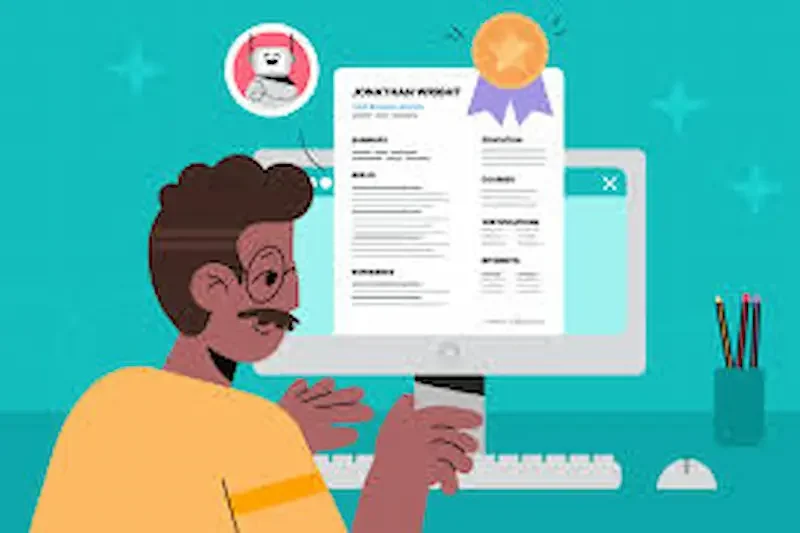
A strong resume and good interview skills are essential for students preparing to enter the job market. Your resume is often the first impression you make on an employer, and effective interview skills help you showcase your abilities, personality, and fit for the role.
Why This Matters
- Resume: A well-crafted resume highlights your skills, achievements, and experiences, making you stand out from other candidates.
- Interview: Strong interview skills allow you to communicate effectively, demonstrate confidence, and leave a positive impression.
- Career Opportunities: Both are crucial for securing internships, part-time jobs, and full-time positions.
How to Prepare a Strong Resume
1. Focus on Key Sections
- Contact Information: Name, email, phone number, and LinkedIn profile.
- Objective or Summary: A short statement describing your career goals and what you bring to the role.
- Education: Include degrees, courses, certifications, and academic achievements.
- Skills: List both hard and soft skills relevant to the position.
- Experience: Include internships, part-time jobs, volunteer work, or academic projects.
- Achievements and Awards: Highlight any recognition that shows your strengths.
2. Keep it Clear and Concise
- Use bullet points for easy readability.
- Keep the resume to one page if you have limited experience.
- Avoid unnecessary details—focus on what is relevant to the role.
3. Tailor Your Resume
- Customize your resume for each job or internship application.
- Highlight experiences and skills that match the requirements of the position.
4. Showcase Projects and Portfolios
- Include academic or personal projects that demonstrate practical skills.
- Link to online portfolios, GitHub repositories, or websites if relevant.
How to Prepare for Interviews
1. Research the Company and Role
- Understand the company’s values, mission, and industry.
- Know the responsibilities and requirements of the position.
2. Practice Common Interview Questions
- Be ready to answer questions about your skills, experiences, and goals.
- Practice situational questions that demonstrate problem-solving and teamwork.
3. Develop Your Personal Pitch
- Prepare a 30-60 second introduction summarizing who you are, your skills, and your career goals.
- Keep it confident, concise, and professional.
4. Improve Communication Skills
- Speak clearly and confidently.
- Listen actively and answer questions thoughtfully.
- Maintain positive body language and eye contact.
5. Follow Up
- Send a polite thank-you email after the interview.
- Express gratitude for their time and reinforce your interest in the position.
By preparing a strong resume and honing your interview skills, students can confidently present themselves to potential employers. These tools not only help you secure opportunities but also demonstrate professionalism, preparedness, and dedication to your career growth.
When should students start focusing on career development?
Students can start as early as high school. Early planning allows you to explore interests, gain relevant experience, develop skills, and set achievable goals, giving you a head start in your career.
How can students gain experience without a full-time job?
Experience can be gained through internships, part-time jobs, volunteering, academic projects, competitions, and online freelance work. Even small projects or community involvement provide valuable skills and insights.
Are online courses really helpful for career development?
Yes! Online courses provide practical skills, certifications, and knowledge that enhance your resume and employability. They also allow flexible learning at your own pace and can help you explore new career paths.
How important is networking for students?
Networking is very important. It helps you connect with professionals, find mentorship, discover opportunities, and gain advice from experienced individuals. Building relationships early can open doors to internships, jobs, and career guidance.
What is the difference between hard skills and soft skills?
Hard Skills: Technical abilities that are measurable, like coding, writing, or data analysis.
Soft Skills: Interpersonal and personal traits, like communication, teamwork, problem-solving, and time management. Both are essential for career success.
Conclusion
Career development is an essential journey for every student who wants to succeed professionally. By starting early, understanding your strengths and interests, setting clear goals, and actively gaining experience, you lay a strong foundation for your future. Developing both hard and soft skills, building a professional network, leveraging technology, and seeking mentorship further enhance your growth and prepare you for real-world challenges.
Staying adaptable, managing your time effectively, and preparing a strong resume and interview skills ensures that you are ready to seize opportunities as they arise. Remember, career development is a continuous process—small, consistent efforts now can lead to significant success later.