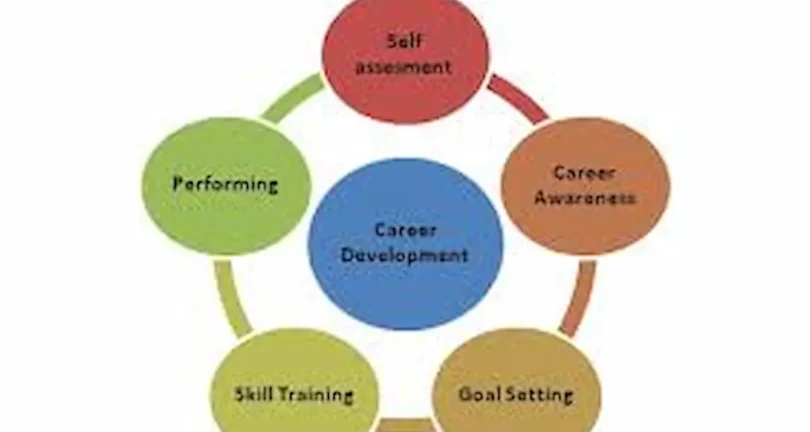

Career development is important because it helps you grow professionally, improve your skills, and plan a career path that aligns with your goals. It’s not just about promotions or higher salaries—it’s about continuous learning, gaining experience, and preparing for the future.
In today’s fast-changing world, focusing on career development is essential. Jobs are evolving, industries are shifting, and the skills needed today may not be enough tomorrow. By investing in your career development, you stay ahead, open doors to new opportunities, and achieve greater job satisfaction.
Whether you are starting your first job or aiming to reach the next level in your career, understanding why career development is important is the first step toward long-term success.
What is Career Development?
Career development is important because it goes beyond just earning promotions or increasing your salary. It is the continuous process of improving your skills, gaining experience, and planning your professional path to match your goals and interests.
Career development includes activities such as learning new skills, attending workshops, pursuing certifications, and seeking mentorship. It allows you to grow in your current role while preparing for future opportunities.
By actively focusing on career development, you can make informed decisions about your career, stay competitive in your industry, and achieve both personal and professional satisfaction. It’s a way to ensure that your career evolves in line with your ambitions and the demands of the job market.
Benefits of Career Development
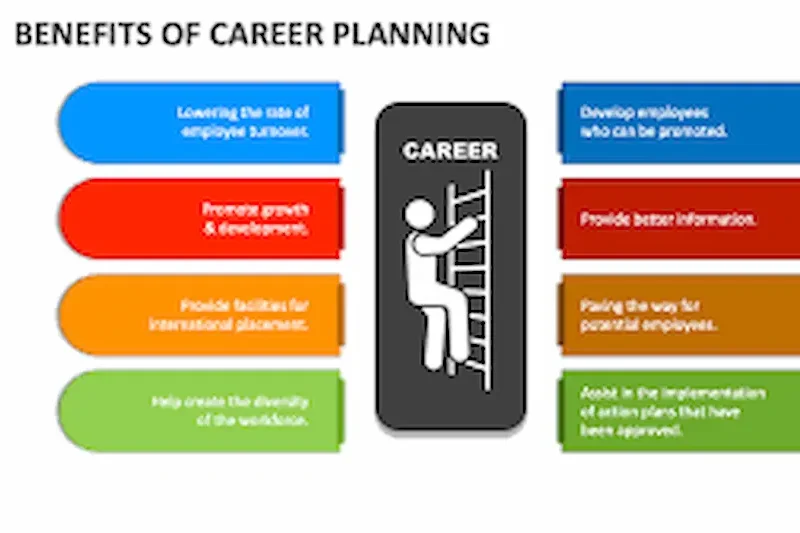
Career development is important because it not only helps you grow professionally but also contributes to personal satisfaction and long-term success. Let’s explore the main benefits in detail.
1. Improves Skills and Knowledge
One of the biggest advantages of career development is skill enhancement. By attending workshops, pursuing certifications, or learning new technologies, you continuously upgrade your abilities. This not only makes you more efficient in your current role but also prepares you for future responsibilities. Learning new skills keeps you competitive in your field and increases your value to employers.
2. Increases Job Satisfaction
When you focus on developing your career, you take on tasks that challenge and interest you. This leads to greater engagement and enjoyment at work. Feeling competent and confident in your role enhances overall job satisfaction and motivates you to perform at your best. Employees who invest in their growth often feel more fulfilled and less stressed.
3. Opens Up New Opportunities
Career development opens doors to new possibilities. By improving your skills and expanding your network, you can explore different roles, departments, or even industries. This allows you to pivot when necessary and seize opportunities that align with your long-term career goals. Staying proactive about development ensures you are always ready for promotions or career changes.
4. Enhances Earning Potential
Investing in your career growth often translates into financial benefits. Gaining new skills, certifications, and experience can make you eligible for higher-paying positions or promotions. Employers are willing to reward professionals who demonstrate continuous improvement, making career development a direct path to better income.
5. Builds Confidence
Achieving career milestones, learning new skills, and overcoming challenges naturally boosts your confidence. Confident professionals approach their work with a positive mindset, communicate more effectively, and take on responsibilities without hesitation. Confidence gained through career development can also improve leadership abilities and decision-making.
6. Prepares You for the Future
The job market is constantly evolving, with new technologies and trends shaping industries. Career development ensures you remain up-to-date and adaptable. By continuously improving your skills, you are prepared for unexpected changes, promotions, or new career paths. Being proactive about your career makes you resilient in the face of uncertainty.
Steps to Develop Your Career
Career development is important because taking deliberate steps helps you grow professionally, achieve your goals, and remain competitive in the job market. Here’s a comprehensive guide on how to develop your career effectively:
1. Know Yourself
The first step in career development is self-reflection. Understand your strengths, weaknesses, interests, and values. Ask yourself:
- What tasks do I enjoy the most?
- What skills come naturally to me?
- What are my long-term professional goals?
Knowing yourself allows you to choose a career path that aligns with your passions and abilities. It also helps you focus on areas that need improvement, making your career growth more targeted and effective.
2. Set Clear Goals
After assessing yourself, define your career objectives. Set both short-term and long-term goals. For example:
- Short-term: Learn a new software, complete a certification, or improve communication skills.
- Long-term: Achieve a managerial position, start your own business, or switch to a new industry.
Setting clear goals gives you direction, keeps you motivated, and provides a roadmap for your career journey. Goals also help measure progress and celebrate milestones along the way.
3. Learn and Upgrade Skills
Continuous learning is at the heart of career development. The world of work is constantly changing, and acquiring new skills ensures you stay relevant. You can:
- Attend workshops, online courses, or webinars.
- Gain certifications in your field.
- Learn soft skills like communication, leadership, or problem-solving.
The more skills you develop, the more confident and adaptable you become. Learning new skills also opens doors to higher-level roles and better opportunities.
4. Network Effectively
Building a strong professional network is crucial for career growth. Networking allows you to:
- Gain insights from experienced professionals.
- Discover job opportunities and career paths.
- Find mentors who can guide you through challenges.
You can network by attending industry events, joining professional groups, participating in online communities, or connecting with colleagues and alumni. Strong relationships can play a key role in career advancement.
5. Seek Feedback and Improve
Regularly seeking feedback helps you understand your strengths and areas for improvement. Constructive feedback can:
- Highlight skills that need development.
- Provide ideas for better performance.
- Show your commitment to growth.
Actively using feedback to improve demonstrates professionalism and a growth mindset, making you more valuable to employers.
6. Stay Flexible and Adaptable
Career paths are rarely linear. Be open to new roles, industries, or responsibilities. Flexibility allows you to:
- Adapt to changes in your industry.
- Explore unexpected opportunities.
- Learn from different experiences.
Being adaptable ensures long-term career stability and growth, even in uncertain or competitive environments.
7. Track Your Progress
Keep a record of your achievements, new skills, certifications, and milestones. Tracking your progress helps you:
- Stay motivated and focused.
- Identify gaps in skills or experience.
- Prepare for performance reviews, promotions, or new job applications.
Regularly reviewing your progress ensures you remain proactive in shaping your career rather than waiting for opportunities to come to you.
8. Stay Committed and Consistent
Career development is a long-term process. Consistency in learning, networking, and goal-setting is key to seeing real results. Commit to small, daily actions like reading industry news, practicing a new skill, or reaching out to a mentor. Over time, these consistent efforts lead to significant growth and career success.
you may also like to read these posts;
How to Use Online Learning Resources: A Complete How-To Guide
Why Learning Resources Are Important: Key Reasons Students Must Use Them
Top Learning Resources for Schools: Best Tools Ranked 2025
Digital Learning Resources vs Textbooks: Key Comparison
Types of Skills for Student Success: Key Skills Every Student Needs
Common Mistakes to Avoid in Career Development
Career development is important, but many professionals unknowingly make mistakes that slow their growth or limit opportunities. Being aware of these pitfalls can help you stay on track and achieve long-term success. career development is important
1. Ignoring Skill Upgrades
One of the biggest mistakes is neglecting to upgrade your skills. Industries evolve rapidly, and outdated skills can make you less competitive. For example, a marketing professional who doesn’t learn about digital marketing trends may miss important opportunities. Avoid this by attending workshops, taking online courses, and staying informed about industry advancements.
2. Focusing Only on Promotions
Many professionals chase titles or raises without developing the necessary skills. Promotions are a result of competence, experience, and continuous learning—not just ambition. Instead of only aiming for a higher title, focus on improving your abilities, taking on challenging projects, and demonstrating leadership. This approach naturally leads to promotions over time.
3. Avoiding Networking
Networking is often underestimated. Building connections with colleagues, mentors, industry experts, and professional groups opens doors to guidance, job opportunities, and collaborations. Avoid isolating yourself or waiting for opportunities to appear. For instance, attending conferences or participating in LinkedIn groups can help you meet people who may support your career growth. career development is important
4. Not Setting Clear Goals
Without clear short-term and long-term goals, your career may lack direction. Wandering aimlessly can lead to missed opportunities or stagnation. Define your objectives, such as learning a new skill, leading a project, or switching industries. Goals help you measure progress, stay motivated, and make strategic decisions. career development is important
5. Being Resistant to Change
Career paths are rarely linear. Sticking rigidly to one role, skillset, or mindset can limit growth. Industries change, technologies evolve, and flexibility is key. Embrace change by learning new tools, exploring different roles, or adjusting your career path when necessary. Adaptability ensures long-term relevance and success. career development is important
6. Ignoring Feedback
Constructive feedback is a powerful tool for growth. Ignoring feedback prevents you from identifying weaknesses or improving your performance. Instead of taking feedback personally, view it as an opportunity to refine your skills and demonstrate professionalism. Ask for regular feedback from supervisors, peers, or mentors. career development is important
7. Neglecting Work-Life Balance
Overworking yourself in pursuit of career growth can lead to burnout, stress, and decreased productivity. Sustainable career development requires a balance between work, health, and personal life. Prioritize rest, hobbies, and family time to maintain long-term motivation and effectiveness. career development is important
8. Underestimating the Importance of Soft Skills
Many focus only on technical skills while ignoring soft skills like communication, teamwork, problem-solving, and leadership. Soft skills are critical for promotions, collaboration, and professional growth. Actively develop these skills alongside technical expertise to stand out in your field. career development is important
9. Waiting for Opportunities Instead of Creating Them
Some professionals wait for opportunities to come to them rather than actively seeking or creating them. Taking initiative—such as volunteering for challenging projects, proposing new ideas, or seeking mentorship—can accelerate career growth and help you gain visibility within your organization. career development is important
10. Failing to Track Progress
Not keeping track of your achievements, skills, or milestones can make it harder to measure growth or prepare for promotions. Maintain a record of certifications, projects, and accomplishments. Reviewing your progress regularly keeps you motivated and highlights areas for improvement. career development is important
Advantages of Career Development

Career development is important because it offers numerous advantages that help individuals grow professionally, achieve personal satisfaction, and secure long-term success. By actively focusing on career growth, you can build a rewarding and meaningful career. career development is important
1. Enhanced Skills and Knowledge
Career development helps you acquire new skills and deepen your existing knowledge. Continuous learning makes you more competent, productive, and versatile in your current role. For example, taking a course in project management or digital marketing can make you more efficient and valuable in your organization. Over time, these skills can prepare you for promotions, career shifts, or leadership positions. career development is important
2. Greater Job Satisfaction
Investing in your career leads to higher engagement and satisfaction. When you learn new skills, take on meaningful projects, and achieve personal milestones, your work becomes more enjoyable. Employees who focus on career growth feel a sense of accomplishment and purpose, which reduces stress and increases motivation. career development is important
3. Increased Career Opportunities
Career development opens doors to diverse opportunities. By gaining experience, improving skills, and networking, you can explore new roles, departments, or even industries. For instance, learning coding as a marketing professional could open opportunities in tech-driven marketing roles. Career development allows you to pivot when needed and pursue paths that match your goals. career development is important
4. Higher Earning Potential
Professionals who invest in career growth often experience higher salaries. New skills, certifications, and accomplishments make you eligible for promotions, bonuses, or higher-paying positions. Employers reward employees who demonstrate initiative and continuous improvement, making career development a pathway to financial growth. career development is important
5. Stronger Confidence and Leadership Skills
Career development builds confidence and leadership abilities. Mastering new skills, completing challenging projects, and reaching milestones give you the assurance to take on responsibilities with competence. Confident employees can lead teams, communicate effectively, and make informed decisions, making them indispensable to their organizations.career development is important
6. Preparedness for Industry Changes
Industries and technologies evolve rapidly. Career development ensures you remain adaptable and prepared for changes. Staying updated on trends, tools, and market demands helps you respond effectively to industry shifts. This proactive approach minimizes job insecurity and positions you as a forward-thinking professional. career development is important
7. Personal Growth and Fulfillment
Career development isn’t just about work—it also enhances personal growth. Learning, achieving goals, and overcoming challenges build resilience, self-esteem, and overall life satisfaction. A well-planned career aligned with your interests and values makes your professional life more meaningful and rewarding. career development is important
8. Stronger Professional Network
Investing in career development encourages networking and relationship-building. Connecting with colleagues, mentors, industry experts, and peers provides guidance, collaboration, and new opportunities. Networking helps you stay informed, find mentors, and open doors to career advancements that might otherwise be unavailable. career development is important
9. Long-Term Career Stability
Career development prepares you for the long-term by ensuring you stay relevant, skilled, and adaptable. Professionals who continuously improve themselves are better equipped to handle economic fluctuations, job market changes, or organizational shifts. This stability makes it easier to plan for the future and maintain a sustainable career. career development is important
10. Increased Recognition and Respect
By consistently developing your career, you gain recognition from peers, managers, and industry professionals. Achieving certifications, mastering new skills, or leading projects demonstrates competence and dedication. Recognition and respect not only boost confidence but also increase influence and credibility in your field.
What is career development?
Career development is important because it is the continuous process of improving your skills, gaining experience, and planning your professional path. It involves learning, goal-setting, networking, and adapting to changes in your industry to achieve long-term success.
Why is career development important?
Career development helps you stay competitive, achieve your goals, increase job satisfaction, enhance earning potential, and prepare for future opportunities. It ensures that your career aligns with your strengths, interests, and ambitions.
How can I start developing my career?
Start by assessing your strengths, weaknesses, and interests. Set clear short-term and long-term goals, upgrade your skills through courses or certifications, network with professionals, and seek regular feedback to improve continuously.
Can career development help me switch industries?
Yes. By acquiring transferable skills, gaining relevant experience, and building a professional network, career development can make transitioning to a new industry smoother and more successful.
How long does career development take?
Career development is a lifelong process. While short-term goals can be achieved in months, long-term growth and career advancement require continuous learning, experience, and adaptability throughout your professional life.
Conclusion
Career development is important for anyone who wants to achieve long-term professional success and personal fulfillment. By continuously improving your skills, setting clear goals, networking, and staying adaptable, you can open doors to new opportunities, increase your earning potential, and enjoy greater job satisfaction.
Investing in your career is not just about promotions or higher salaries—it’s about growing as a professional, gaining confidence, and preparing for the future. Avoid common mistakes like ignoring skill upgrades or resisting change, and focus on proactive steps that support your growth.