
Career development is the journey of growing and improving in your professional life. It is not just about getting a job but about building a path where you can learn, achieve goals, and create opportunities for the future. Career development helps students choose the right direction, supports professionals in gaining promotions, and guides people who want to change careers. By focusing on continuous learning, skill-building, and planning, career development makes it easier to achieve success and satisfaction in work and life.
What is Career Development
Career development is the process of planning and managing your professional growth throughout life. It includes discovering your interests, improving your skills, setting career goals, and making smart choices that lead to success. Instead of just working in a job without direction, career development helps you build a roadmap for the future.
It is different for everyone. For students, it may mean choosing the right field of study or gaining practical experience through internships. For professionals, it can mean aiming for promotions, leadership positions, or even shifting to a new career path. Career development is not a one-time effort—it is a continuous journey that grows with you as your goals and opportunities change.
By focusing on career development, you make sure that your career is not only about earning money but also about growth, satisfaction, and achieving your true potential.
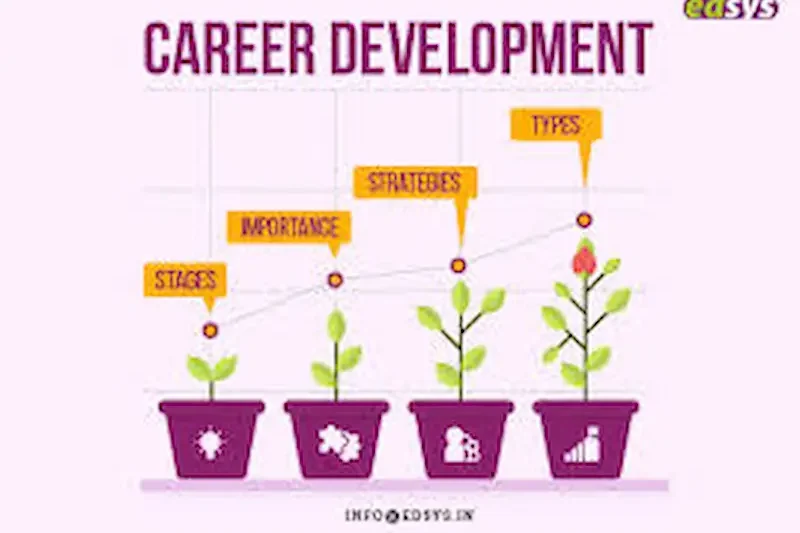
Importance of Career Development
Gives You Clear Goals and Focus
Career development helps you set both short-term and long-term goals. Instead of working without direction, you can plan your future step by step. This focus makes it easier to make decisions about studies, training, or job opportunities.
Improves Your Skills
The job market is always changing, and new technologies appear every day. Career development encourages you to keep learning and upgrading your skills. This not only makes you more confident but also ensures you stay valuable to employers.
Opens More Opportunities
When you invest in your career growth, you naturally attract better opportunities. Employers prefer people who show motivation, growth, and leadership qualities. This can lead to promotions, salary increases, or even career shifts that match your goals.
Increases Job Satisfaction
Doing work that matches your interests and strengths makes you feel motivated and happy. Career development guides you toward roles that fit your personality and values, so your job becomes more than just a way to earn money.
Helps You Adapt to Change
Industries and careers change quickly in today’s world. Career development prepares you to adapt to these changes with confidence. Whether it’s learning new skills, switching industries, or starting your own business, you’ll be ready to take on challenges.
Key Elements of Career Development
Self-Assessment
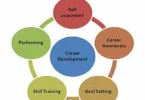
Every successful career journey begins with self-assessment. This means taking the time to understand your personality, values, strengths, and weaknesses. For example, some people enjoy teamwork and leadership roles, while others prefer independent and creative work. By identifying your interests and skills early, you can make career choices that truly match who you are. Self-assessment tools, personality tests, and career counseling can also help in this process.
Goal Setting
Career development requires clear goals to give you direction. Short-term goals may include completing a certification course or gaining internship experience. Long-term goals might involve reaching a leadership position, switching industries, or starting your own business. Writing down your goals and breaking them into smaller steps makes them more achievable. Remember, goals should be flexible so they can change as you grow.
Skill Development
No matter what field you choose, continuous learning is the key to growth. Skill development means upgrading both your hard skills (like technical knowledge, computer skills, or subject expertise) and soft skills (like communication, leadership, and teamwork). You can learn through online courses, workshops, seminars, or even self-study. Employers value people who are always improving, and strong skills give you an edge in a competitive job market.
Networking
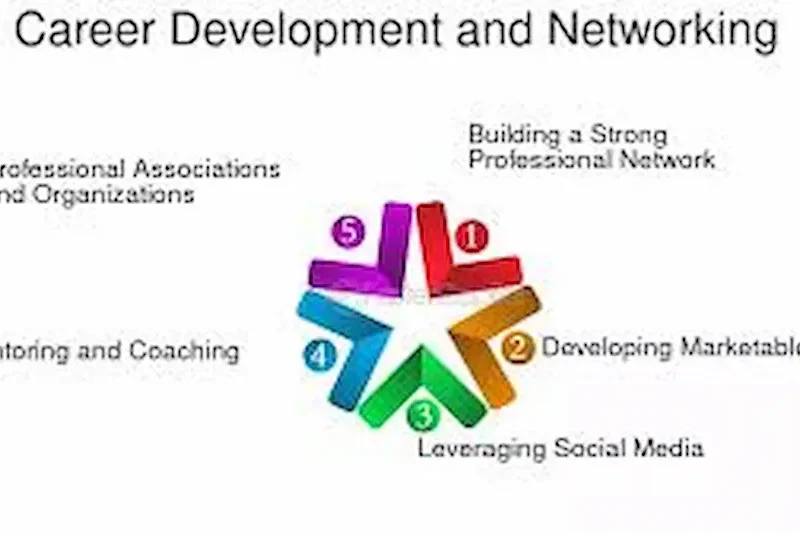
Your network is one of your greatest career assets. Networking is about building positive professional relationships with people in your field and beyond. By attending events, joining professional groups, or connecting on platforms like LinkedIn, you can gain valuable advice, mentorship, and even job opportunities. A strong network not only supports your growth but can also inspire you with new ideas and perspectives.
Career Planning
Career planning is the process of creating a long-term vision for your career and mapping out the steps to achieve it. This involves regularly reviewing your progress, setting new goals, and adjusting your plans as needed. A career plan helps you stay focused during challenges and gives you a clear sense of direction. With proper planning, you can make smart choices instead of rushing into jobs that don’t align with your future.
you may also like to read these posts;
How to Use Online Learning Resources: A Complete How-To Guide
Why Learning Resources Are Important: Key Reasons Students Must Use Them
Top Learning Resources for Schools: Best Tools Ranked 2025
Digital Learning Resources vs Textbooks: Key Comparison
Types of Skills for Student Success: Key Skills Every Student Needs
Benefits of Career Development
Career Growth and Promotions
Career development gives you the chance to climb the ladder step by step. By continuously improving your knowledge and performance, you become more valuable to your employer. For example, an employee who learns new digital skills or leadership techniques is more likely to be trusted with important projects or promoted to higher positions. Growth not only increases your salary but also builds your professional reputation.
More Job Opportunities
When you invest in developing your career, you make yourself ready for new and better opportunities. Companies prefer to hire people who are skilled, motivated, and adaptable. For instance, someone with strong technical skills and good communication abilities can apply to jobs in multiple industries, not just one. Career development gives you the freedom to choose rather than settle.
Improved Confidence and Skills
With every new skill you learn or goal you achieve, your confidence grows. Confidence helps you perform better in interviews, presentations, and daily work. It also reduces self-doubt and gives you the courage to take on bigger challenges. For example, a professional who gains public speaking skills may confidently lead meetings or represent their company at events.
Better Work-Life Balance
A well-developed career is not just about money—it’s also about satisfaction. When you work in a role that suits your strengths and passions, you feel happier and less stressed. This positive energy also improves your personal life. For instance, someone who enjoys teaching may feel more fulfilled as a trainer or educator, rather than being stuck in a job they dislike. Career development helps you make such choices.
Long-Term Success and Security
In today’s fast-changing world, industries and job roles keep evolving. Career development prepares you to face these changes with confidence. By regularly upgrading your skills and staying aware of trends, you create a sense of security for your future. Even if you lose a job or switch industries, your skills and experience will help you stay strong and successful in the long run.
Tips for Career Development
Keep Learning and Upgrading Skills
Continuous learning is the heart of career development. Technology, industries, and job requirements change quickly, so the skills that are valuable today may not be enough tomorrow. Take online courses, earn certifications, attend workshops, or even join webinars to keep yourself updated. For example, someone in marketing who learns digital tools like SEO or social media advertising becomes far more valuable to employers.
Stay Updated with Industry Trends
Knowledge of trends gives you an advantage over others. Read industry-related blogs, follow experts on social media, and join professional forums. For instance, a teacher who keeps up with new teaching methods like e-learning or AI-based tools can improve their teaching style and stay relevant in the education field.
Get Mentorship and Guidance
Having a mentor is like having a shortcut to success. A mentor has already faced the challenges you might be going through. Their advice saves you from common mistakes and speeds up your growth. For example, a new graduate may benefit from guidance on how to prepare for interviews, while a mid-level professional can learn leadership strategies from a senior manager.
Build Strong Professional Relationships
Networking is more than just collecting contacts—it’s about building real connections. Attend networking events, career fairs, and seminars, or connect with people on platforms like LinkedIn. Share your experiences, support others, and be active in professional discussions. A single strong connection can sometimes lead to opportunities that a CV alone cannot provide.
Be Flexible and Open to New Opportunities
Flexibility is key to career growth. Sometimes opportunities come in unexpected ways. You may need to take on a new project, accept a temporary role, or explore a career shift. For example, an IT professional might step into a project management role and later discover leadership skills they never knew they had. Being open-minded often leads to hidden opportunities.
Set Regular Career Goals
A career without goals is like a journey without a map. Write down your career goals clearly and review them regularly. For example, your short-term goal could be improving your presentation skills, while your long-term goal might be becoming a team leader. Breaking goals into small, achievable steps keeps you motivated and helps track progress.
Seek Feedback and Improve
Feedback is an important tool for self-improvement. Don’t be afraid to ask colleagues, managers, or mentors for their honest opinion about your work. Instead of taking criticism personally, use it as a chance to grow. For instance, feedback about communication skills can push you to join a public speaking course, which later helps you in leadership roles.
Balance Career and Personal Life
Career development should not come at the cost of health and happiness. Managing time, reducing stress, and maintaining personal relationships are equally important. A balanced lifestyle keeps you productive, motivated, and satisfied both in work and life.
Advantages of Career Development
1. Skill Improvement
Career development gives individuals the chance to continuously enhance their knowledge and abilities. Through training, workshops, and learning opportunities, professionals can keep up with new trends and technologies. This not only boosts confidence but also makes them more valuable in the workplace.
2. Clear Career Goals
With a focus on career development, people are able to set short-term and long-term goals for their professional journey. Having a clear direction helps reduce confusion, keeps motivation high, and ensures that efforts are aligned with future success.
3. Better Job Opportunities
One of the biggest advantages of career development is access to better job positions. When individuals upgrade their skills and gain experience, they open doors to promotions, higher salaries, and leadership roles. This creates growth opportunities in both current and future workplaces.
4. Adaptability in the Job Market
Today’s job market is constantly changing with new demands and technologies. Career development ensures that individuals remain adaptable and competitive. By upgrading their skills regularly, they can handle changes smoothly and maintain job security.
5. Job Satisfaction
When people invest in their career development, they often find more satisfaction in their work. Doing meaningful tasks that match one’s interests and abilities reduces stress and increases motivation. A satisfying career also contributes to overall happiness and personal well-being.
6. Professional Growth and Recognition
Career development supports continuous growth, which helps professionals build strong reputations in their fields. It leads to recognition from employers, colleagues, and industry leaders. This recognition often translates into more respect, responsibilities, and career stability.
7. Work-Life Balance
Planning and developing a career also allows individuals to manage their professional and personal lives better. By aligning career goals with personal priorities, people can create balance, avoid burnout, and enjoy a more fulfilling lifestyle.
Common Mistakes to Avoid in Career Development
Not Setting Clear Goals
A career without goals is like sailing without a compass—you may move forward, but you won’t know where you’re going. Many people accept jobs simply because they’re available, without thinking about how those jobs fit into their long-term vision. This often leads to frustration later when they realize they’re stuck in roles that don’t match their skills or passions. Setting both short-term and long-term goals gives direction and purpose to your career journey.
Ignoring Skill Development
The skills that got you your first job may not be enough to get you your next one. One major mistake people make is relying on outdated skills and avoiding continuous learning. For example, a graphic designer who doesn’t keep up with the latest design software may quickly fall behind others. Staying updated through courses, certifications, and workshops ensures you remain competitive.
Staying in the Comfort Zone
Comfort zones feel safe, but they also block growth. Some people spend years in the same role, avoiding risks because they fear failure or rejection. However, real career development often requires pushing beyond comfort. Volunteering for new projects, applying for leadership roles, or exploring different industries can lead to surprising opportunities and faster growth.
Not Seeking Feedback
Feedback is one of the most valuable tools for improvement, yet many people avoid it because they’re afraid of criticism. Ignoring feedback means missing out on opportunities to grow. For example, if a manager points out weak communication skills, working on that area can make you a stronger candidate for leadership positions in the future. Constructive feedback should be seen as guidance, not as a personal attack.
Focusing Only on Money
While earning well is important, choosing jobs only for a paycheck can leave you unhappy and unfulfilled. A high-paying job without growth, interest, or passion often leads to stress and burnout. Instead, balance salary with long-term career goals, skill development, and job satisfaction. A fulfilling career is one where money and meaning go hand in hand.
Neglecting Work-Life Balance
Career development is not just about climbing the ladder—it’s also about maintaining health, happiness, and personal growth. Many people overwork themselves, thinking that longer hours mean faster progress. In reality, burnout reduces productivity and limits long-term success. Taking care of your health, spending time with family, and pursuing hobbies are equally important for a sustainable career.
Avoiding Networking
Some professionals believe that hard work alone is enough to get ahead. While hard work is essential, networking is equally powerful. Not connecting with others can limit exposure to new opportunities, partnerships, and mentorship. For instance, attending industry events or joining online groups can introduce you to people who may later recommend you for jobs or collaborations. Networking is about building trust and genuine relationships, not just exchanging business cards.
What is the main purpose of career development?
The main purpose of career development is to help individuals grow professionally by setting goals, improving skills, and building a clear career path that leads to success and satisfaction.
How can students start career development early?
Students can start by identifying their interests, choosing the right courses, joining internships, and learning new skills. Building a strong foundation early helps them make smarter career choices later.
Is career development only for professionals?
No, career development is for everyone—students, job seekers, and working professionals. It is a lifelong process that continues at every stage of your career.
How does networking help in career development?
Networking connects you with mentors, peers, and industry professionals. These connections can provide guidance, share opportunities, and open doors to jobs or promotions.
Can career development help with a career change?
Yes. If you want to change careers, career development gives you the tools to assess your strengths, learn new skills, and plan the shift step by step. It makes the transition smoother and more successful.
Conclusion
Career development is an ongoing journey that allows individuals to enhance their skills, set meaningful goals, and build a successful professional life. It goes beyond just finding a job and focuses on long-term growth, adaptability, and fulfillment. By investing in career development, people can stay prepared for opportunities, overcome challenges, and achieve both personal and professional success.