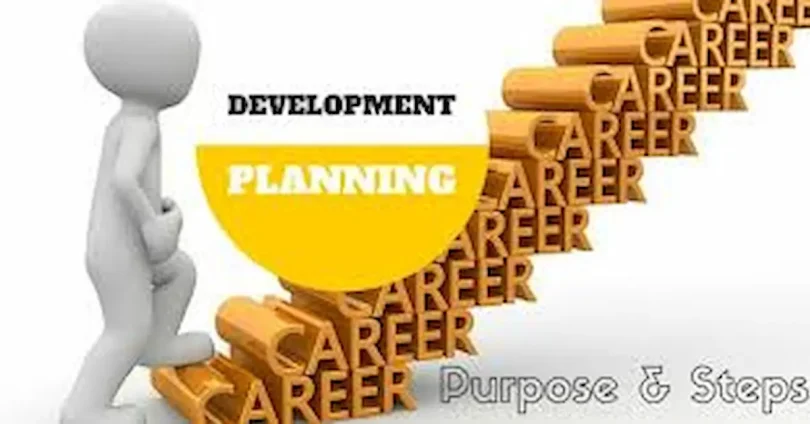

Building a successful career development vs career planning requires more than just completing education or landing a job. It involves planning your path and continuously developing the skills, knowledge, and experiences that help you grow professionally. Two key concepts that guide this journey are career development and career planning.
While these terms are often used interchangeably, they are different in focus and purpose. Career planning is about setting clear goals and creating a roadmap to achieve them, while career development focuses on improving your skills, gaining experience, and preparing for long-term growth.
Understanding the difference between career development and career planning helps students and professionals make smarter decisions, stay motivated, and achieve their career goals more effectively. In this article, we will explore both concepts, their differences, benefits, and how you can use them together to build a strong and successful career.
What is Career Development?
Career development is the ongoing process of improving your skills, knowledge, and experiences to grow professionally. It’s not just about moving up the career ladder; it’s about preparing yourself for future opportunities, adapting to changes, and continuously learning to stay relevant in your field.
Key Features of Career Development
- Continuous Learning: Regularly acquiring new skills through courses, workshops, or certifications.
- Gaining Experience: Participating in internships, part-time jobs, volunteer work, or projects.
- Networking: Building relationships with peers, mentors, and professionals to learn and grow.
- Mentorship: Seeking guidance from experienced professionals to improve and make informed decisions.
- Flexibility: Adapting to industry changes and evolving career requirements.
Examples of Career Development Activities
- Attending seminars, webinars, or training programs.
- Pursuing certifications or higher education relevant to your field.
- Taking on challenging projects at school, college, or work.
- Volunteering or participating in clubs and competitions.
- Expanding your professional network through online platforms or events.
Career development is a long-term and flexible process that helps you grow as a professional, improve your employability, and prepare for future challenges. By focusing on career development, students and professionals can continuously enhance their abilities and stay ahead in a competitive job market.
What is Career Planning?
Career planning is the process of setting clear professional goals and creating a roadmap to achieve them. It helps you make informed decisions about your education, skills, and career opportunities, ensuring that your efforts align with your long-term objectives.
Key Features of Career Planning
- Goal-Oriented: Focuses on defining short-term and long-term career objectives.
- Structured Approach: Involves careful self-assessment, research, and planning steps.
- Decision-Making Tool: Helps you choose the right courses, internships, or jobs based on your goals.
- Progress Monitoring: Encourages reviewing and adjusting your plan as you grow and gain experience.
Steps in Career Planning
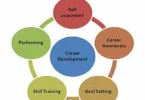
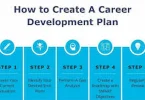
- Self-Assessment: Identify your strengths, weaknesses, interests, and values.
- Research: Explore career options, industry trends, and the skills required.
- Set Goals: Define short-term and long-term objectives for your career.
- Develop a Plan: Outline actionable steps to achieve your goals.
- Monitor Progress: Regularly review your plan and adjust it according to changes in interests or opportunities.
Career planning is more structured than career development, providing direction and clarity to your professional journey. By combining planning with development, you ensure that your growth aligns with your career goals and helps you achieve long-term success.
Career Development vs Career Planning: Key Differences

While career development and career planning are closely related, they have distinct purposes and approaches. Understanding their differences can help you use both effectively to achieve long-term career success.
Focus:
Career development focuses on improving your skills, gaining experience, and expanding your knowledge. Career planning, on the other hand, focuses on setting clear goals and creating a roadmap to reach them.
Nature:
Career development is continuous and ongoing. It involves adapting, learning, and growing over time. Career planning is more structured and goal-oriented, providing a clear path to follow.
Time Frame:
Career development is a long-term process that prepares you for future opportunities. Career planning includes both short-term and long-term objectives to guide your decisions and actions.
Activities:
Career development includes activities such as attending workshops, gaining hands-on experience, networking, and seeking mentorship. Career planning involves self-assessment, researching career options, setting goals, and monitoring your progress.
Purpose:
The purpose of career development is to prepare you for changes in your industry and help you grow professionally. Career planning’s purpose is to ensure that your efforts align with your specific career objectives, helping you reach them efficiently.
Example:
- Career Development: Learning a new software tool, attending a seminar, or completing a certification to improve your skills.
- Career Planning: Deciding to become a software developer, identifying the courses to take, and planning internships in that field.
By understanding the differences and integrating both approaches, you can gain the skills and experience needed while staying on a clear path toward your career goals.
How Career Development and Career Planning Work Together
Career development and career planning are two sides of the same coin. While they serve different purposes, combining them effectively can help you build a strong and successful career.
Career Planning Provides the Roadmap
Career planning sets your short-term and long-term goals. It helps you decide which skills to acquire, which experiences to pursue, and which opportunities to explore. Without a plan, your efforts might be scattered or misaligned with your career objectives.
Career Development Provides the Tools
Career development equips you with the knowledge, skills, and experience needed to follow your career roadmap. It includes activities such as improving your skills, gaining practical experience, networking with professionals, and seeking mentorship. These efforts prepare you to achieve the goals outlined in your career plan.
How They Complement Each Other
- Career planning tells you where you want to go, and career development helps you get there.
- Planning sets clear objectives, while development ensures you have the tools to succeed.
- Together, they create a balance between long-term growth and strategic goal achievement.
Example
Suppose your career goal is to become a project manager:
- Career Planning: You decide to complete a project management certification, gain leadership experience, and secure an internship in project management.
- Career Development: You take courses on project management tools, participate in team projects, attend workshops, and seek mentorship from experienced project managers.
By combining both career development and career planning, you ensure that your professional growth aligns with your career goals, helping you achieve success more efficiently and confidently.
Benefits of Understanding the Difference
Understanding the difference between career development and career planning can significantly enhance your professional journey. Recognizing how each contributes to your growth allows you to make smarter choices and achieve your goals efficiently.
1. Better Decision-Making
Knowing the difference helps you make informed decisions about education, job opportunities, and skill-building activities. For example, if your goal is to become a digital marketer, career planning helps you select the right courses and internships, while career development ensures you gain hands-on experience with marketing tools.
2. Continuous Professional Growth
Career development is about improving skills, gaining experience, and staying relevant. When combined with planning, it ensures your growth aligns with your objectives. For instance, attending workshops and earning certifications in your field enhances your expertise while moving you closer to your career goals.
3. Goal Achievement
Career planning provides direction, while career development equips you with the tools to reach those goals. By integrating both, you are more likely to achieve your objectives faster and efficiently. For example, planning to become a software developer and then actively learning coding languages ensures success.
4. Adaptability to Change
The professional world is constantly evolving. Understanding both concepts allows you to stay adaptable. If your industry changes, you can adjust your career plan and develop new skills to remain competitive. For example, a student planning a career in IT can pivot from traditional software development to cloud computing as the industry demand shifts.
5. Enhanced Confidence
Having a clear roadmap (career planning) and the skills to execute it (career development) boosts your confidence. You know what steps to take and are prepared to handle challenges, making you more self-assured in interviews, networking events, and projects.
6. Efficient Use of Time and Resources
Understanding the difference prevents wasted effort. Instead of randomly acquiring skills or experiences, you focus on activities that align with your career plan. This efficiency helps you make the most of your education, internships, workshops, and other professional opportunities.
7. Long-Term Career Satisfaction
Combining planning with development increases your chances of choosing a career that matches your interests and strengths. This alignment leads to higher satisfaction, better performance, and a greater sense of fulfillment in your professional life.
you may also like to read these posts;
What Are Learning Resources (Definition & Examples)
Types of Learning Resources for Students: A Complete Guide
How to Use Online Learning Resources: A Complete How-To Guide
Why Learning Resources Are Important: Key Reasons Students Must Use Them
Top Learning Resources for Schools: Best Tools Ranked 2025
Common Misconceptions
Many students and professionals have misunderstandings about career development and career planning. These misconceptions can lead to wasted effort, missed opportunities, and slower progress. Understanding the truth helps you approach your career more effectively.
1. Career Planning is Only for Long-Term Goals
Some people think career planning is only necessary for deciding on a future job or long-term career path. In reality, career planning involves both short-term and long-term goals. For example, selecting the right courses, certifications, or internships during your studies is part of career planning and helps you achieve bigger objectives later.
2. Career Development Happens Only at Work
It’s a common belief that career development only occurs through professional jobs. In fact, it can happen anywhere. Attending online courses, participating in workshops, volunteering, joining student clubs, or completing personal projects all contribute to skill growth and professional development.
3. One Can Focus on Career Development Without Planning
While you can learn new skills without a plan, doing so randomly may not align with your career goals. For instance, learning a programming language unrelated to your field might not add value. Career planning ensures that your development activities are purposeful and help you move closer to your objectives.
4. Career Planning Guarantees Success
Some believe that just creating a career plan automatically leads to success. A plan is a guide, but without action, continuous learning, and adaptation, it cannot achieve results. Combining planning with career development and networking ensures progress and success.
5. Career Development is Only About Hard Skills
Many assume career development is only about technical or hard skills, like coding, designing, or writing reports. Soft skills such as communication, teamwork, problem-solving, adaptability, and time management are equally important for professional growth. Employers often value soft skills as much as technical knowledge.
6. Career Development and Career Planning Are the Same
Some people use these terms interchangeably. Career planning is about setting your goals and defining your path. Career development is about building the skills, experiences, and connections that help you reach those goals. Understanding this distinction helps you focus on both growth and direction.
7. Career Growth Happens Automatically Over Time
Another misconception is that a career naturally progresses without effort. In reality, growth requires consistent learning, planning, networking, and taking on challenges. Waiting for opportunities to come to you without active planning or development can slow your progress.
8. Only Certain Professions Require Career Planning
Some believe that career planning is only important for specialized or high-profile careers. In truth, every profession benefits from planning. Even part-time jobs, internships, or creative careers require goal setting and skill development to succeed.
Practical Tips for Students and Professionals
Whether you are a student starting your career journey or a professional looking to grow, combining career planning with career development is essential. Here are practical tips to help you succeed:
1. Start Early
- Don’t wait until graduation or a job opportunity arrives. career development vs career planning
- Explore your interests, take relevant courses, and start skill-building during your studies.
- Early planning gives you a head start and helps you make informed decisions. career development vs career planning
2. Set Clear Goals
- Define both short-term and long-term career objectives. career development vs career planning
- Short-term goals could include completing an internship, mastering a skill, or joining a professional club.
- Long-term goals could be securing a desired job, achieving a certification, or becoming an expert in your field.
3. Continuously Improve Your Skills
- Focus on both hard skills (technical abilities) and soft skills (communication, teamwork, problem-solving). career development vs career planning
- Take online courses, attend workshops, and participate in projects that strengthen your skill set. career development vs career planning
- Practice regularly and apply your learning in real-world scenarios. career development vs career planning
4. Gain Practical Experience
- Participate in internships, part-time jobs, volunteer opportunities, or personal projects. career development vs career planning
- Hands-on experience enhances your resume and helps you understand workplace dynamics. career development vs career planning
- Learning by doing is one of the fastest ways to grow professionally. career development vs career planning
5. Build a Professional Network
- Connect with classmates, alumni, teachers, and industry professionals. career development vs career planning
- Attend networking events, workshops, and online forums. career development vs career planning
- Networking can lead to mentorship, internship opportunities, and career guidance. career development vs career planning
6. Seek Mentorship
- Find experienced professionals who can guide you in your field. career development vs career planning
- Mentors can provide advice, share industry insights, and help you avoid common mistakes. career development vs career planning
- Maintain a respectful, proactive relationship and apply their guidance. career development vs career planning
7. Stay Adaptable and Open to Change
- Industries and job requirements evolve rapidly. career development vs career planning
- Be ready to learn new skills, adapt to new roles, and pivot if necessary. career development vs career planning
- A flexible mindset ensures you remain competitive and resilient. career development vs career planning
8. Manage Your Time Effectively
- Prioritize tasks related to academics, skill-building, networking, and personal projects. career development vs career planning
- Use planners, digital tools, or apps to schedule activities and track progress. career development vs career planning
- Avoid procrastination and break larger tasks into manageable steps. career development vs career planning
9. Regularly Review and Adjust Your Career Plan
- Reassess your goals periodically based on your progress, interests, and industry trends. career development vs career planning
- Update your skills and experiences to stay aligned with your objectives. career development vs career planning
- Flexibility ensures that your career plan remains relevant and achievable. career development vs career planning
10. Stay Motivated and Positive
- Celebrate small achievements along the way. career development vs career planning
- Learn from failures and view challenges as opportunities for growth. career development vs career planning
- Maintaining a positive mindset helps you stay focused on your long-term goals. career development vs career planning
What is the main difference between career development and career planning?
Career development is the ongoing process of improving your skills, gaining experience, and growing professionally. Career planning is about setting specific career goals and creating a roadmap to achieve them.
Can I do career development without having a career plan?
Yes, you can improve your skills without a plan. However, without a career plan, your efforts may not align with your long-term goals. Planning ensures your development activities are purposeful and effective.
Which is more important: career development or career planning?
Both are equally important. Career planning gives direction and sets goals, while career development equips you with the skills and experience needed to achieve those goals. Combining both yields the best results.
How often should I review my career plan?
It’s recommended to review your career plan at least once a year, or whenever your interests, skills, or industry trends change. Regular reviews ensure your plan remains relevant and achievable.
Do career development activities only happen at work?
No, career development can happen anywhere. Activities like online courses, workshops, volunteering, personal projects, or joining clubs also contribute to your growth.
Conclusion
Understanding the difference between career development and career planning is essential for building a successful professional journey. Career planning provides direction by helping you set clear goals and create a roadmap for your future. Career development equips you with the skills, experiences, and connections needed to reach those goals effectively.
By combining both, you can ensure that your efforts are purposeful and aligned with your long-term objectives. Career planning alone without development may leave you unprepared for real-world challenges, while development without planning can lead to scattered efforts and missed opportunities.
For students and professionals alike, integrating career planning and development means taking proactive steps, continuously learning, gaining experience, and staying adaptable to change. Small, consistent efforts today can lead to significant career growth and long-term success tomorrow.